







The measurement of heart rate has undergone a significant transformation, evolving from basic manual observations to sophisticated electronic devices. Initially, physicians relied on external features like breathing patterns and feeling a pulse to diagnose ailments. The concept of a dedicated device to accurately measure heart rate emerged in the 17th century, laying the groundwork for the advanced monitors we see today. This journey highlights a continuous
drive for greater accuracy, convenience, and integration into daily life, particularly for health management and athletic performance.
Early Innovations in Pulse Measurement
The commercial availability of a pulse watch can be traced back to 1701, thanks to Sir John Floyer, an English physician. Floyer's motivation was to develop a watch that could precisely measure his patients' pulse rates. He designed a device that counted a user's heartbeat for sixty seconds, simplifying the process of measuring heart rate. These early designs were physically crafted by Samuel Watson, a horologist active in the late seventeenth century. Floyer's innovation marked a pivotal moment, as it encouraged physicians to base medical observations on the number of heartbeats per minute (bpm).
From this point, the functions and mechanisms of the pulse watch were continually updated and redeveloped by various professionals throughout history. The use of pulse-detecting devices became consistently implemented in medical schools and facilities as a form of medical technology to accurately time patients' pulse and respiration. The pulse watch garnered significant interest from medical professionals after its commercial debut. By the early 1920s, Swiss manufacturers further enhanced these devices by incorporating scales, which improved the speed, accuracy, and reliability of pulse measurement.
The Advent of Wireless and Wearable Technology
A major leap in heart rate monitoring occurred with the development of wireless technology. In 1975, the idea for a wireless, portable heart rate monitor was conceived on a cross-country skiing track in Finland, recognizing the lack of accurate ways to measure heart rate during training. This led to the founding of Polar in 1977, a Finnish manufacturer that would become instrumental in this field. Polar filed its first patent for wireless heart rate measurement three years later, with its founder, Seppo Säynäjäkangas, credited as the inventor of the first wireless EKG heart rate monitor.
Polar launched its first commercial product, the Tunturi Pulser, in 1978. A significant milestone was reached in 1982 when Polar introduced the world's first wearable wire-free heart rate monitor, the Sport Tester PE 2000. This device utilized electric field data transfer, marking a new era for sports training. The company continued to innovate, releasing devices with computer interfaces and, in November 2015, its first optical wrist-reading heart rate monitor, the A360. These advancements made heart rate monitoring more accessible and convenient for athletes and fitness enthusiasts.
Modern Monitoring Techniques and Applications
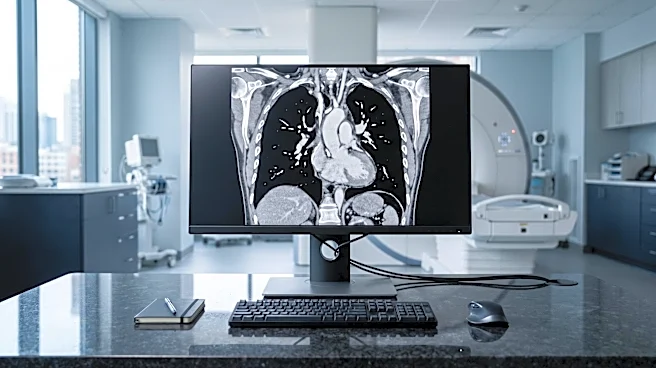
Contemporary heart rate monitors employ various technologies, including electrocardiography (ECG or EKG) and photoplethysmography (PPG). While ECG provides a precise measurement of the heart's electrical activity, wearable devices often use reflectance photoplethysmography. This method involves illuminating skin tissue with light-emitting diodes (LEDs) and detecting the intensity of reflected light with a photodetector. However, wearable optical heart rate monitors can be less reliable than electrode-based monitors, with accuracy varying based on exercise type, skin tone, and motion artifacts.
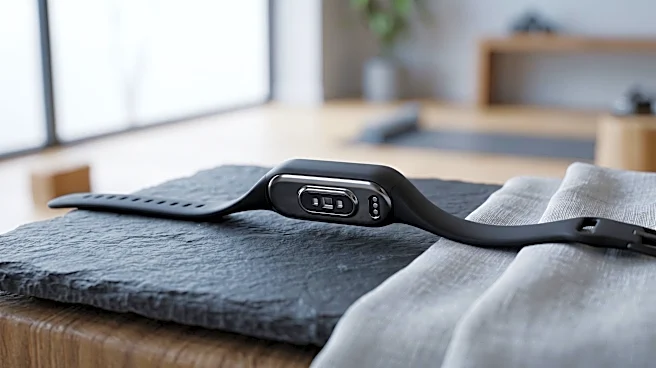
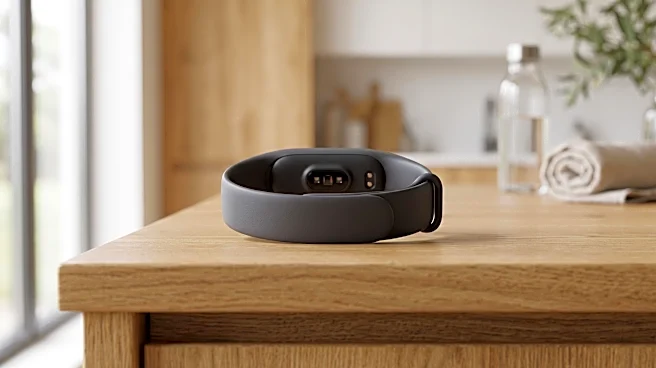
Pulse watches, also known as pulsometers or pulsographs, are individual monitoring devices that measure heart or pulse rate, either in real-time or for later review. These devices typically use PPG, employing LEDs and photodiodes to measure changes in light absorption in the body. Modern pulse watches often include multiple light waves of different lengths to interact effectively with various skin tones and thicknesses. The absence of wires and multiple sensors makes these devices particularly useful in health, medical, and sports settings where convenience is paramount. Today, brands like Apple, Samsung, Fitbit, and Garmin have integrated pulse watch mechanisms into smartwatches, expanding their functionality beyond simple heart rate measurement to include other biometric and technological features, reflecting the ongoing evolution of this vital health technology.