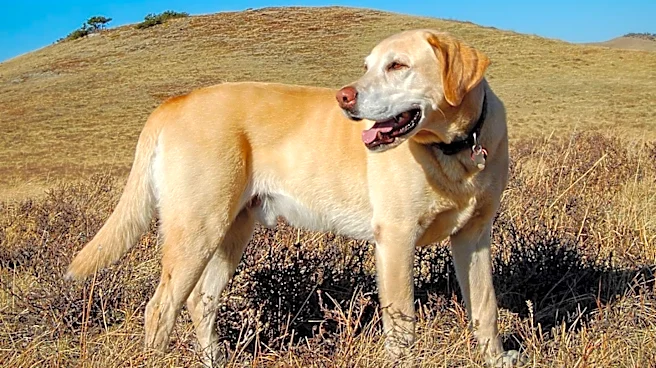









The Blue Lacy, often referred to simply as the Lacy Dog, emerged from the rugged landscape of Texas in the mid-19th century as a testament to the need for a highly capable working animal. Developed by the Lacy brothers after their move from Kentucky to Texas in 1858, this breed was specifically engineered to meet the demanding requirements of ranching and hunting in the American Southwest. Its physical attributes and inherent intelligence made it
an indispensable partner for those taming the frontier, excelling in tasks that required both strength and agility.
Engineered for Ranch Work and Hunting
The primary purpose behind the creation of the Blue Lacy was to develop a dog that could effectively herd cattle and hunt wild pigs. These were not leisure activities but essential components of survival and economic prosperity for early Texan settlers. The breed is understood to be a crossbreed, incorporating the traits of greyhounds for speed, driving dogs for their herding instincts, and cattle dogs for their resilience and control over livestock. This careful combination resulted in a dog that was both swift and powerful, capable of managing large animals across varied terrain.
Beyond herding, the Blue Lacy's prowess in hunting wild pigs was particularly valued. Wild pigs posed a threat to crops and livestock, and a dog capable of tracking, cornering, and holding these formidable animals was a significant asset. The breed's close relationship with the Catahoula Leopard Dog, another breed known for its working abilities, further underscores its heritage as a dedicated and effective working companion.
Physical Characteristics and Adaptability
The Blue Lacy is characterized by its robust yet agile build. It possesses a light bone structure that is nonetheless proportional to its overall height and mass, allowing for both speed and endurance. The typical height at the shoulder for a Blue Lacy ranges from 43 to 56 cm (17 to 22 inches). In terms of weight, females generally weigh between 11–20 kg (25 to 45 lb), while males are typically heavier, ranging from 16–25 kg (35 to 55 lb). These measurements can vary based on the individual dog's height and living conditions.
The breed's coat is fine, contributing to its sleek appearance. Blue Lacys come in several color variations, including blue, red, and tricolor. These physical traits are not merely aesthetic; they are integral to the dog's functionality. Its agile frame allows it to navigate challenging environments, while its moderate size ensures it can work effectively without being overly cumbersome. The breed's adaptability to the harsh Texan environment speaks volumes about its carefully selected genetic makeup.
Recognition and Enduring Legacy
Despite its significant contributions to Texan agriculture and its official designation as the state dog of Texas in 2005, the Blue Lacy is not recognized by major international kennel clubs such as the FCI or AKC, nor by national clubs like the SKK or KC. This lack of formal recognition by purebred registries highlights its identity as a working dog, valued more for its performance and utility than for conformity to show ring standards. The breed's enduring legacy is found in its continued use by ranchers and hunters, and its growing presence across the United States, Canada, and even Europe, where its working capabilities are increasingly appreciated.