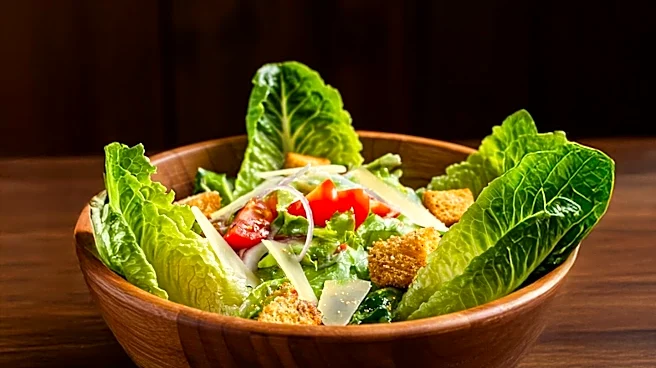




The Caesar salad is a globally recognized green salad, distinguished by its core components of romaine lettuce and croutons, brought together by a distinctive dressing. This dressing is traditionally a complex blend of lemon juice, olive oil, eggs, Worcestershire sauce, anchovies, garlic, Dijon mustard, Parmesan cheese, and black pepper. While the salad's origin is rooted in a moment of culinary improvisation, its enduring appeal lies in the careful
balance and interplay of these specific ingredients, which have evolved over time while maintaining a recognizable character.
Core Ingredients and Their Roles
At the heart of any Caesar salad is romaine lettuce, providing a crisp and sturdy base that can stand up to the rich dressing. Croutons, typically made from bread toasted with garlic-infused oil, add a crucial textural contrast. The dressing itself is where much of the salad's signature flavor resides. Lemon juice provides a bright acidity, balancing the richness of olive oil and eggs. The eggs, which can be raw, poached, or coddled, contribute to the dressing's emulsified texture and creamy mouthfeel. Worcestershire sauce adds a savory depth, often described as umami, which is further enhanced by the inclusion of anchovies.Garlic is a fundamental aromatic, imparting a pungent warmth, while Dijon mustard contributes a sharp, tangy note that also aids in emulsification. Grated Parmesan cheese offers a salty, nutty flavor and a granular texture that adheres to the lettuce. Finally, black pepper provides a subtle spice and aromatic finish. These ingredients, when combined, create a dressing that is both complex and harmonious, coating the lettuce and croutons in a way that defines the Caesar salad experience.
The Evolution of the Dressing: Anchovies and Beyond
While anchovies are now considered a standard ingredient in Caesar salad dressing, historical accounts suggest they were not part of Caesar Cardini's original recipe. According to his daughter and other sources, Cardini intentionally omitted anchovies, mustard, and herbs, believing their flavors were too assertive. The original dressing was said to rely solely on Worcestershire sauce for its savory notes. However, over time, anchovies became a prominent feature, and contemporary recipes almost universally include them. Often, these anchovies are emulsified into the dressing, or the dressing itself is based on a mayonnaise-like emulsion, contributing to a smoother, richer consistency.This shift highlights how classic dishes can evolve, adapting to changing tastes and culinary trends. The inclusion of anchovies has become so integral that many modern interpretations would feel incomplete without them, demonstrating a significant departure from the purported original formulation. The debate over anchovies underscores the dynamic nature of recipes, even for iconic dishes, as they are reinterpreted and refined across generations of chefs and home cooks.
Commercialization and Modern Interpretations
The popularity of Caesar salad has led to its widespread commercialization, with numerous companies producing and marketing bottled Caesar dressings. Brands such as Cardini's, Bolthouse Farms, Ken's Foods, Marzetti, Newman's Own, Panera Bread, Trader Joe's, and Whole Foods Market all offer their versions. The trademark brands "Cardini's," "Caesar Cardini's," and "Original Caesar Dressing" are claimed to date back to February 1950, though their official registration occurred decades later. This commercial availability has made the distinctive flavor of Caesar dressing accessible to a broad audience, further cementing its place in culinary culture.Beyond bottled dressings, the Caesar salad has inspired countless variations in restaurants and home kitchens. While the core elements remain, chefs often add grilled chicken, shrimp, or other proteins to transform it into a more substantial meal. Some versions might incorporate different types of lettuce, additional vegetables, or alternative cheeses, though these often stray from the classic profile. Despite these innovations, the fundamental combination of romaine, croutons, and a creamy, savory, tangy dressing remains the defining characteristic of a Caesar salad, a testament to the enduring appeal of its original, albeit evolving, composition.