



The Estoril Circuit, officially known as Autódromo Fernanda Pires da Silva, has played a pivotal role in the development of motorsport in Portugal. Located near Lisbon, this circuit has been the site of numerous memorable races and has contributed significantly to the country's motorsport heritage. This article delves into the history and impact of the Estoril Circuit on Portuguese motorsport.
A Historic Venue
The Estoril Circuit was inaugurated in 1972, providing
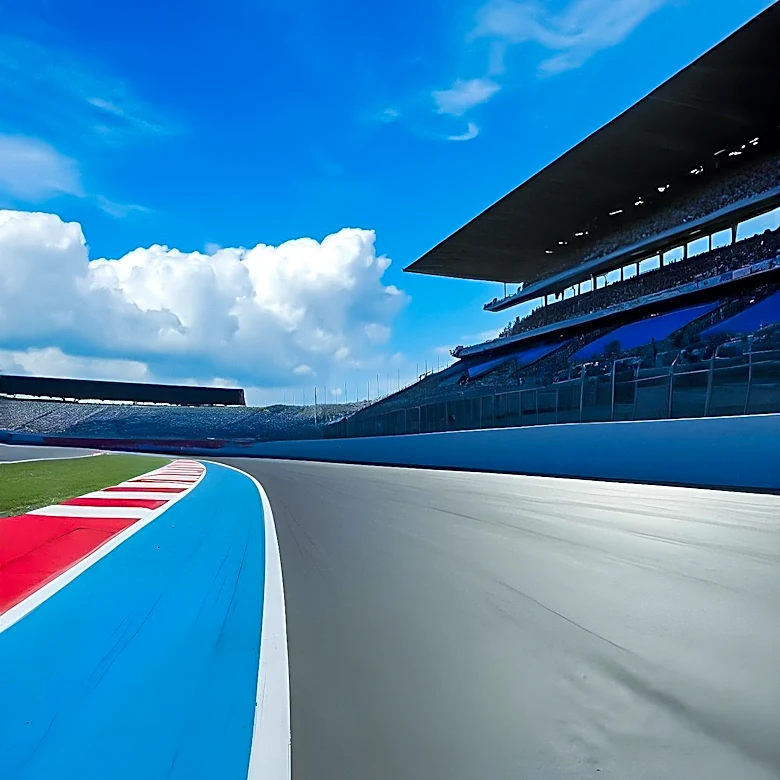
Portugal with a dedicated motorsport venue. Its strategic location near Lisbon made it accessible to fans and participants alike. The circuit's design, featuring two hairpin turns and a long start/finish straight, offered a challenging experience for drivers and became a favorite among racing enthusiasts.
In the 1980s, the Estoril Circuit gained international recognition by hosting the Portuguese Grand Prix as part of the Formula One World Championship. This period marked a golden era for the circuit, with races that featured legendary drivers such as Ayrton Senna, Alain Prost, and Nigel Mansell. The Estoril Circuit became synonymous with thrilling races and dramatic moments, cementing its place in motorsport history.
Memorable Moments
The Estoril Circuit has been the backdrop for several iconic moments in motorsport. In 1984, Niki Lauda secured his third and final World Championship title at Estoril, narrowly defeating his teammate Alain Prost. The following year, Ayrton Senna claimed his first Formula One victory at the circuit, showcasing his exceptional talent in wet conditions.
The circuit also witnessed intense rivalries, such as the infamous clash between Nigel Mansell and Ayrton Senna in 1989. These moments contributed to the circuit's reputation as a venue where history was made, attracting fans from around the world to witness the excitement firsthand.
Legacy and Future
Although the Estoril Circuit was removed from the Formula One calendar after 1996, it continues to host various motorsport events, including the FIA GT Championship and the World Series by Renault. The circuit's legacy endures, as it remains a symbol of Portugal's rich motorsport history.
Efforts to maintain and improve the circuit's facilities have ensured its continued relevance in the motorsport world. As Portugal looks to the future, the Estoril Circuit stands as a testament to the country's passion for racing and its commitment to preserving its motorsport heritage.