



Beyond its crucial safety and procedural roles, the Indianapolis 500 pace car has long served as a significant marketing platform for automobile manufacturers and a cherished award for race winners. Since the race's inception in 1911, the honor of supplying the pace car has been highly coveted by auto companies, providing an unparalleled showcase for a particular make and model. This tradition highlights the intersection of automotive engineering,
competitive racing, and public relations, making the pace car much more than just a functional vehicle on race day.
A Coveted Marketing Opportunity for Manufacturers
From the very early years, automobile manufacturers recognized the immense marketing exposure gained by having their vehicle selected as the Indianapolis 500 pace car. This honor allowed them to showcase their higher-end or luxury models to a massive audience, both at the track and through media coverage. The pace cars were often specially prepared, featuring unique liveries, logos, lettering, pinstriping, and other decorative markings. Sometimes, flagpoles, lights, and other motoring paraphernalia were installed to further identify the pace car, drawing even more attention to the chosen vehicle.
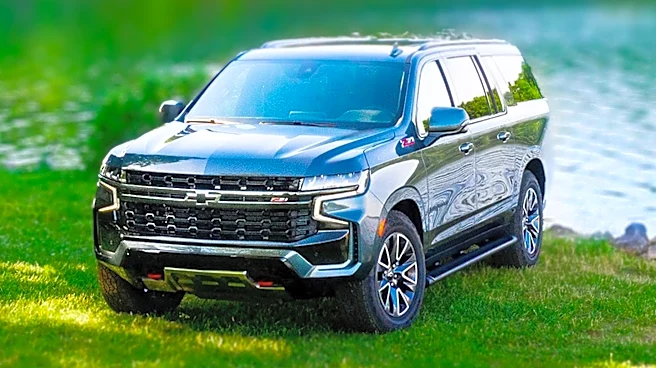
This marketing strategy has continued through the decades. For instance, since 2002, Chevrolet has held an exclusive contract with the Speedway to provide the pace car and other official vehicles for the Indianapolis 500. Prior to that, Oldsmobile, as the series engine provider from 1997 to 2001, had a similar arrangement, supplying the pace car three times within a five-year period. Chevrolet also has a contract to provide the pace car for the Brickyard 400 since 1994, further solidifying its presence in major American racing events. The prestige associated with the Indianapolis 500 makes the pace car a powerful promotional tool, influencing public perception and sales.
The Winner's Award and Replica Pace Cars
Since 1936, a significant tradition has emerged: the winner of the Indianapolis 500 is typically awarded a pace car. In many years, and consistently for the past several decades, the winner receives one of the official street-legal pace car replicas rather than the actual car used for pace duties. These replicas, along with "festival cars" (vehicles used for promotional events leading up to the race), are usually worth significantly less than the actual pace car. Few festival cars may have even been driven on the track.
The actual pace cars, those that perform the official duties, are rare and highly valued. Most are kept and owned by the Speedway museum or the manufacturers themselves, recognizing their historical significance and unique status. The presentation of a pace car, or its replica, to the race winner adds another layer of prestige to the victory, connecting the champion directly with one of the race's most iconic symbols. This tradition reinforces the pace car's dual role as both a functional component of the race and a celebrated emblem of automotive excellence and achievement.