







Turkey is recognized as an upper-middle-income country with a rapidly emerging economy. It boasts a diverse economic landscape, with various industries contributing to its growth. As the world's 16th-largest economy by nominal GDP and 11th-largest by purchasing power parity (PPP), Turkey plays a significant role in the global market. This article explores the key sectors that drive Turkey's economy and its position in the international economic arena.
Key Industries in Turkey
Turkey's economy is characterized by a wide range of industries. The automotive sector is one of the most prominent, with companies like TEMSA, Otokar, and BMC leading the way. Turkey is also home to Togg, the country's first all-electric vehicle company, showcasing its commitment to innovation and sustainability.
The electronics industry is another major contributor, with brands like Arçelik, Vestel, and Beko being well-known manufacturers of consumer electronics. Arçelik, in particular, is one of the largest producers of household goods globally. These industries not only drive domestic growth but also position Turkey as a significant exporter in the global market.
Agricultural and Manufacturing Strengths
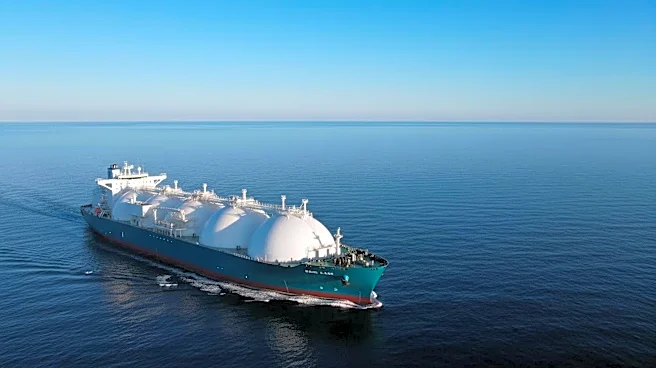
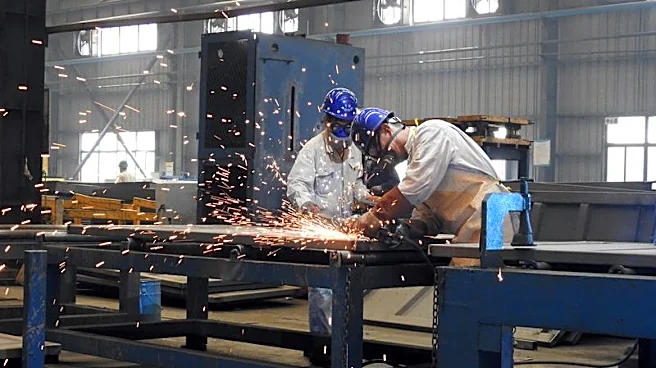
Agriculture remains a vital part of Turkey's economy, making it a major agricultural producer. The country ranks 8th in crude steel production and 13th in motor vehicle production, shipbuilding, and industrial robot installation. These rankings highlight Turkey's manufacturing capabilities and its role as a key player in the global supply chain.
Turkey's diversified economy also includes textiles, construction, steel, mining, and food processing. These sectors contribute to the country's economic resilience and its ability to adapt to changing global market conditions.
Turkey's Global Economic Standing
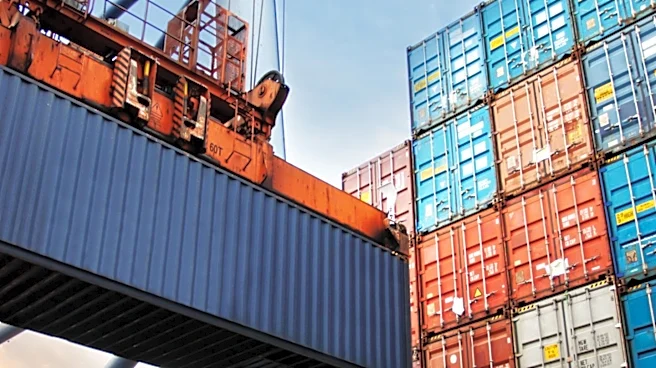
As a founding member of the OECD and G20, Turkey is recognized as a significant economic power. Its strategic location as a bridge between Europe and Asia enhances its role in international trade and economic cooperation. Turkey's ambition to become a regional energy hub further underscores its economic aspirations.
Despite its strengths, Turkey faces challenges such as economic volatility and geopolitical tensions. However, its diversified economy and strategic initiatives position it well for future growth. As Turkey continues to develop its industries and expand its global reach, it remains an important player in the international economic landscape.
In summary, Turkey's economy is marked by diversity and growth potential. Its key industries and strategic initiatives contribute to its standing as an emerging market with significant influence in the global economy.