



In October 1965, Pope Paul VI undertook a groundbreaking journey to New York City, marking the first time a reigning pontiff had ever visited the United States. This visit was not merely a pastoral tour; it carried significant diplomatic weight, especially given the geopolitical climate of the Cold War and the absence of formal diplomatic relations between the United States and the Vatican City at the time. The primary purpose of his trip was to address
the United Nations General Assembly, focusing on the urgent need for peace, particularly in the wake of a recent conflict between India and Pakistan. This unprecedented engagement on the world stage underscored the Vatican's evolving role in international affairs.
Navigating Diplomatic Protocols Without Formal Ties
The planning of Pope Paul VI's visit presented unique challenges for U.S. federal government officials. Without established diplomatic relations with the Vatican City, the usual protocols for a head of state visit could not be directly applied. This meant that President Lyndon B. Johnson could not formally meet the Pope in the same capacity as he would another world leader. However, a solution was found: President Johnson was already scheduled to be in New York City on the day of the Pope's visit for other meetings, providing an opportunity for an unofficial encounter.
This informal arrangement allowed for a historic meeting between a reigning Pope and a U.S. President outside of Vatican City. The two leaders convened at the Waldorf Astoria New York, where they engaged in discussions about politics and posed for photographs with reporters. This meeting, lasting 46 minutes, was a significant symbolic gesture, demonstrating a willingness for high-level engagement despite the lack of formal diplomatic recognition, and highlighting the Pope's growing influence on global political discourse.
A Plea for Peace at the United Nations
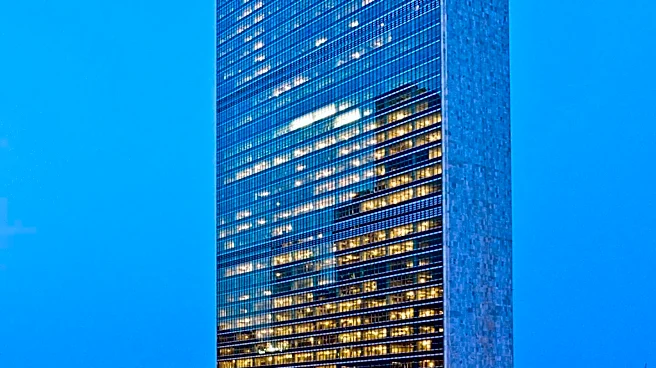
The centerpiece of Pope Paul VI's visit was his address to the United Nations General Assembly. His speech, delivered to an audience of 2,000 people, including prominent figures like Jacqueline Kennedy and Senator Ted Kennedy, focused intensely on the theme of peace in the Atomic Age. He passionately pleaded, "No more war, never again war! Drop your weapons. One cannot love with offensive weapons in hand." This powerful message resonated deeply in a world grappling with the constant threat of nuclear conflict and ongoing regional disputes.
To further emphasize his message, Pope Paul VI quoted former President John F. Kennedy, the first Catholic president of the United States, stating, "Mankind must put an end to war or war will put an end to mankind." His 35-minute address concluded with a standing ovation, signaling the profound impact of his words on the international community. The Pope's decision to address the UN on October 4, 1965, was also symbolically chosen, as it was the feast day of Francis of Assisi, the namesake of San Francisco, the birthplace of the United Nations, further intertwining his message with themes of peace and global cooperation.
Broader Vatican Engagement on the World Stage
Newsweek, in its contemporary reporting, observed that Pope Paul VI's series of international trips, including previous visits to the Holy Land and India, indicated a broader strategy. The magazine opined that "Paul VI is clearly seeking for the Vatican the same kind of recognition and broader audience that secular leaders seek with their own state visits." This perspective suggests that the 1965 U.S. visit was part of a deliberate effort by the Vatican to elevate its presence and moral authority in international affairs.
The Pope's journey to the United States, the Americas, and the Western Hemisphere for the first time by a pontiff, was a clear demonstration of this expanded vision. By engaging directly with global political bodies and national leaders, Pope Paul VI aimed to position the Holy See as a significant voice for peace, justice, and humanitarian concerns on a global scale, transcending traditional religious boundaries and influencing secular diplomacy.