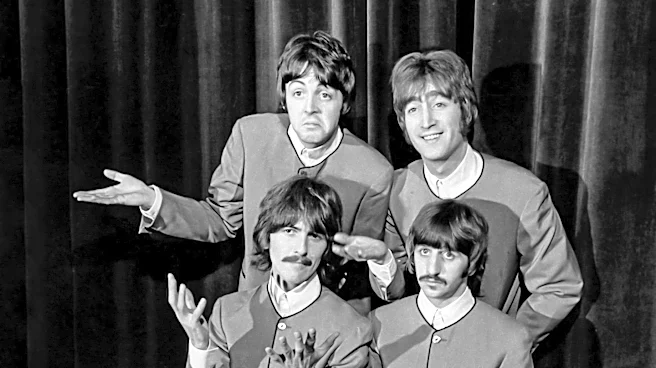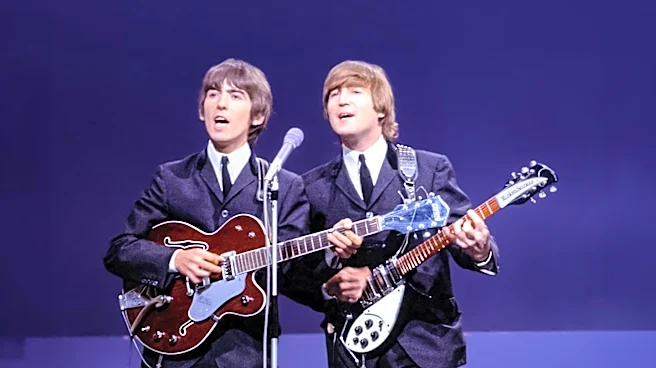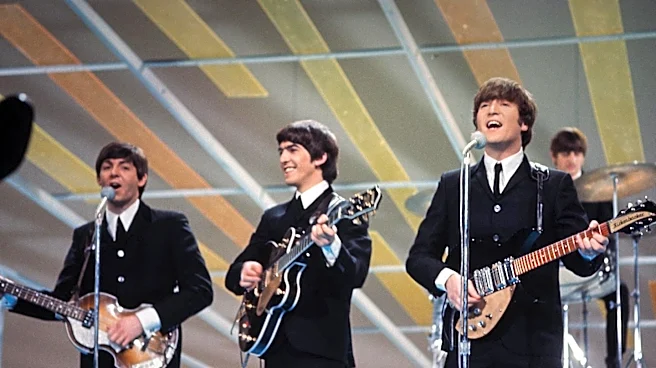








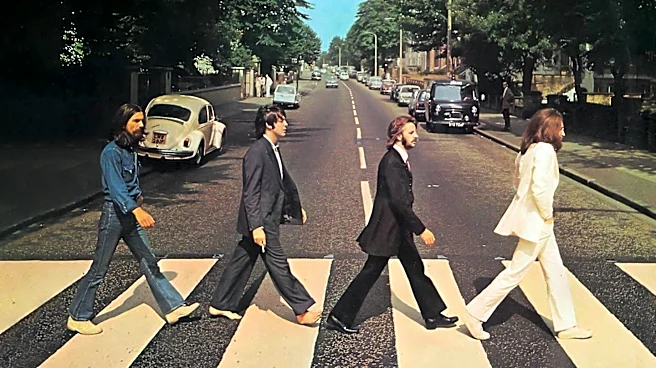
Apple Records, established by The Beatles in 1968, was more than just a record label; it was a creative hub that fostered artistic expression and innovation. As a division of Apple Corps, the label provided a platform for The Beatles to explore their musical talents individually and collectively, while also supporting other artists. This article delves into the artistic and cultural impact of Apple Records, highlighting its role in shaping the careers
of The Beatles and other musicians.
The Beatles' Artistic Freedom
The founding of Apple Records marked a significant shift for The Beatles, allowing them to exercise greater control over their music. The label served as a vehicle for the band to release their solo projects, providing them with the freedom to experiment with different styles and genres. This creative autonomy was evident in the diverse range of music produced by the band during this period.
Apple Records also facilitated collaborations between The Beatles and other artists, enriching the label's catalog with unique and innovative sounds. The involvement of band members in producing and writing for other artists further demonstrated their commitment to nurturing talent and expanding their artistic horizons.
Supporting Emerging Artists
Beyond The Beatles, Apple Records played a crucial role in supporting emerging artists. The label's roster included talents like Mary Hopkin, Badfinger, James Taylor, and Billy Preston, who benefited from the exposure and resources provided by Apple Records. These artists were given the opportunity to work with some of the industry's most influential figures, including George Harrison and Paul McCartney.
The label's commitment to discovering and promoting new talent was a testament to its founders' vision of creating a platform for artistic expression. Apple Records' influence extended beyond its immediate roster, as it helped shape the careers of artists who would go on to achieve success with other labels.
Cultural Impact and Legacy
Apple Records' impact on the music industry was profound, setting a precedent for artist-driven labels that prioritize creative freedom. The label's innovative approach to music production and artist management inspired future generations of musicians and record labels.
The legacy of Apple Records continues to be felt through the ongoing reissues and remastering of its catalog. The label's commitment to preserving the artistic integrity of its releases ensures that its influence endures. As a creative hub, Apple Records not only shaped the careers of The Beatles and other artists but also left an indelible mark on the cultural landscape.