

Elapsed time is a crucial concept in various fields, including space exploration. NASA employs a specific time scale known as Mission Elapsed Time (MET) during their space missions, particularly in the context of Space Shuttle missions. This article delves into the significance and application of MET, highlighting its role in ensuring the smooth execution of space missions.
The Concept of Mission Elapsed Time
Mission Elapsed Time is a time scale used by NASA to manage and schedule events
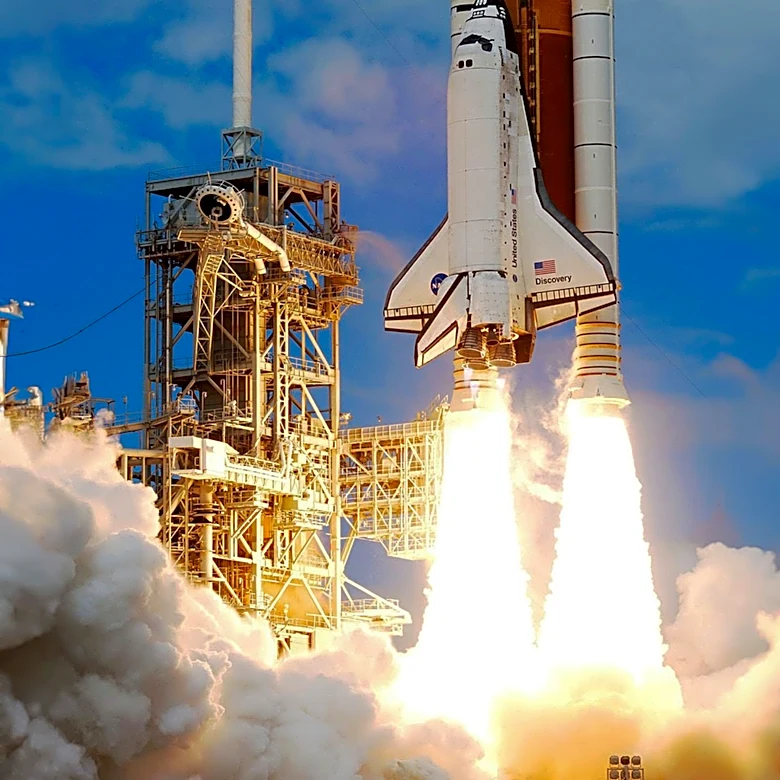
during space missions. The MET clock is set to zero at the moment of liftoff and counts forward in days, hours, minutes, and seconds. This system allows for precise scheduling of mission events without the need for constant rescheduling due to potential launch delays. For instance, if a mission is delayed, the MET ensures that all subsequent events are adjusted accordingly, maintaining the integrity of the mission timeline.
The use of MET is particularly important in space missions where timing is critical. By using MET, NASA can avoid the complications that arise from launch time slips, ensuring that all mission events occur as planned. This system was previously known as Ground Elapsed Time (GET) until the launch of the Space Shuttle in 1981, marking a significant shift in how NASA approached time management in space missions.
Application in Space Shuttle Missions
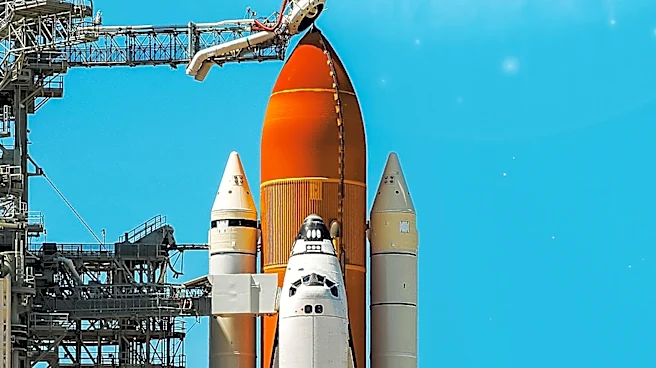
Space Shuttle missions are a prime example of where MET is utilized. During these missions, all events post-launch are scheduled based on MET, allowing for a streamlined and efficient operation. The MET clock provides a consistent reference point for astronauts and mission control, ensuring that everyone involved in the mission is synchronized.
The importance of MET in Space Shuttle missions cannot be overstated. It provides a reliable framework for scheduling and executing mission events, reducing the risk of errors and miscommunication. This system has been instrumental in the success of numerous Space Shuttle missions, demonstrating its value in the realm of space exploration.
Challenges and Anomalies
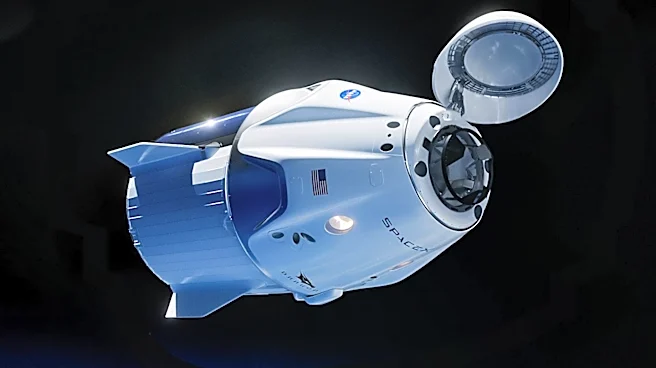
Despite its advantages, the use of MET is not without challenges. In 2019, a test flight of the Boeing CST-100 Starliner spacecraft experienced a mission anomaly due to an incorrectly set MET on the vehicle. This incident highlights the importance of accurate MET settings and the potential consequences of errors in this area.
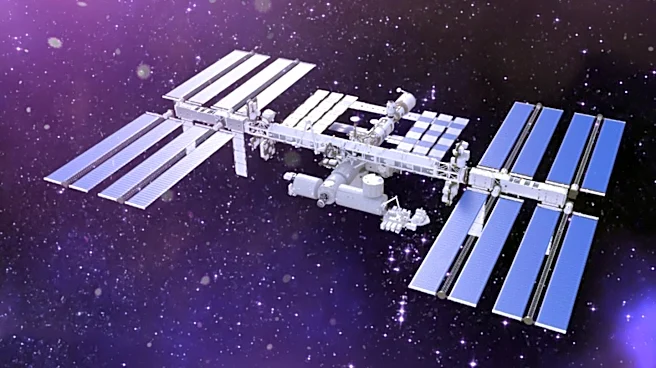
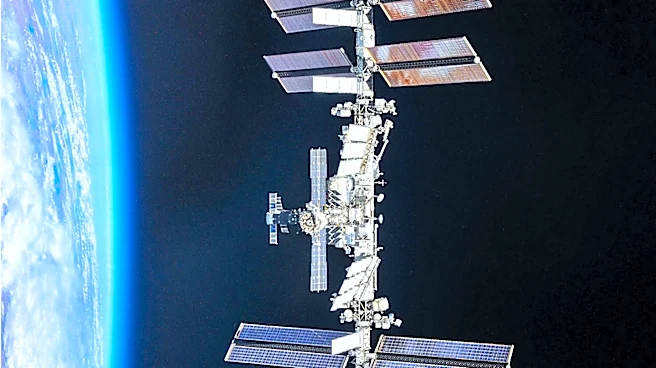
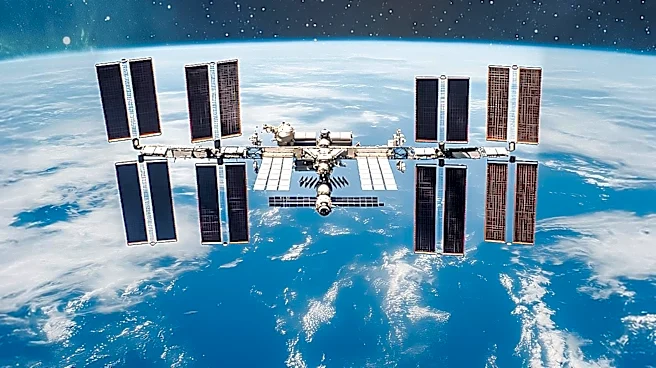
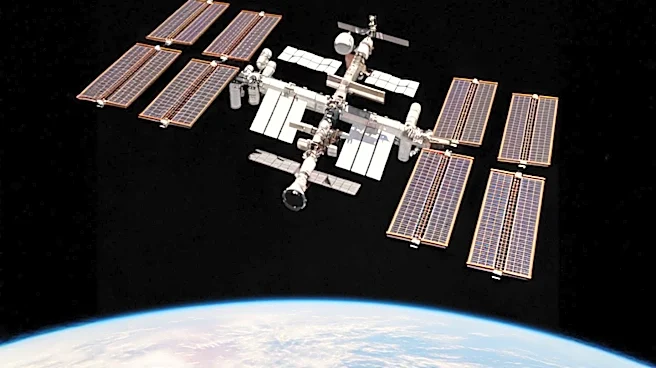
Moreover, the International Space Station (ISS) does not use an MET clock, as it is considered a permanent and international mission. Instead, the ISS observes Greenwich Mean Time (UTC/GMT), showcasing a different approach to time management in space missions. This distinction underscores the adaptability of time management systems in space exploration, tailored to the specific needs of each mission.