







Egypt, often referred to as the cradle of civilization, has made significant cultural and social contributions to the world. From its ancient monuments to its modern-day influence, Egypt's impact is both profound and enduring. This article explores the cultural and social legacy of Egypt, highlighting its contributions to art, religion, and society.
Ancient Cultural Contributions
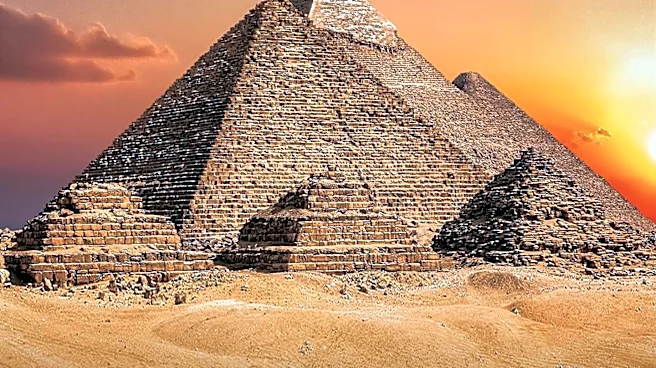
The cultural heritage of ancient Egypt is one of the most celebrated in history. The construction of the pyramids,
the Sphinx, and the temples of Luxor and Karnak are marvels of engineering and architecture. These structures not only served religious and ceremonial purposes but also demonstrated the advanced knowledge and skills of the ancient Egyptians.
Art and writing were also significant aspects of ancient Egyptian culture. The development of hieroglyphics allowed for the recording of history, religious texts, and administrative documents. Egyptian art, characterized by its distinct style and symbolism, has influenced countless cultures and continues to captivate people around the world.
Religious and Social Influence
Religion played a central role in Egyptian society, with a pantheon of gods and goddesses influencing daily life and governance. The concept of the afterlife and the practice of mummification are among the most well-known aspects of Egyptian religion. These beliefs and practices have had a lasting impact on religious thought and have been studied extensively by scholars.
Socially, ancient Egypt was a complex society with a well-defined hierarchy. The pharaoh was considered a god-king, ruling over a structured society that included priests, scribes, artisans, and farmers. This social organization allowed for the efficient management of resources and the construction of monumental projects.
Modern Cultural Influence
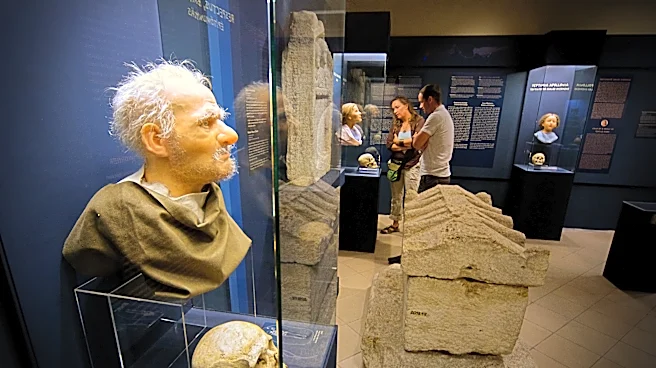
In modern times, Egypt continues to be a cultural hub in the Arab world. Cairo, the capital, is a center for art, music, and literature. The city is home to numerous museums, galleries, and cultural institutions that preserve and promote Egypt's rich heritage.
Egyptian cinema and music have also gained international recognition, with artists and filmmakers contributing to the global cultural landscape. The country's unique blend of traditional and contemporary influences makes it a vibrant and dynamic cultural force.
Today, Egypt's cultural and social impact is felt worldwide. Its ancient legacy continues to inspire and inform, while its modern contributions enrich the global cultural tapestry. As Egypt navigates the challenges of the 21st century, its cultural and social influence remains a testament to its enduring significance.