





The second day of the Battle of Gettysburg, July 2, 1863, was marked by intense fighting and strategic maneuvers that shaped the outcome of the battle. This article provides a detailed examination of the tactical engagements and decisions made by both Confederate and Union forces on this crucial day.
Confederate Assaults on Union Flanks
On July 2, Confederate General Robert E. Lee aimed to capitalize on his army's initial successes by launching multiple attacks on the Union flanks. Lee ordered
General James Longstreet to attack the Union left flank, while General A.P. Hill was tasked with assaulting the Union center. General Richard S. Ewell was instructed to conduct diversionary attacks on the Union right flank.
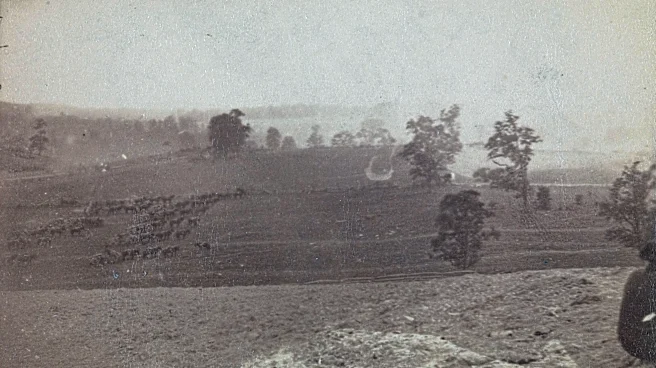
Longstreet's assault began late in the afternoon due to delays in positioning his troops. His forces attacked Little Round Top and Devil's Den, key locations on the Union left. Despite fierce fighting, the Union defenses held, and Longstreet's attack failed to break the Union line. Ewell's attacks on Culp's Hill and East Cemetery Hill were similarly repulsed, leaving the Union positions largely unchanged.
Union Defensive Strategies
Union Major General George G. Meade's defensive strategy was crucial in repelling the Confederate assaults. Meade's forces occupied strong positions on Cemetery Ridge, allowing them to withstand the Confederate attacks. The Union line was arranged in a fishhook formation, providing a compact and defensible position.
Throughout the day, Meade effectively managed his forces, reinforcing threatened areas and maintaining the integrity of the Union line. His decision to hold the high ground at Little Round Top proved pivotal, as it prevented the Confederates from gaining a strategic advantage. The Union's ability to repel the Confederate assaults on July 2 set the stage for their eventual victory.
The Aftermath of July 2
The second day of the Battle of Gettysburg resulted in heavy casualties for both sides, but the Union's defensive positions remained intact. Lee's hope of crushing the Union Army on Northern territory was dashed, and he began planning for the third day of fighting.
The tactical engagements on July 2 demonstrated the importance of terrain and defensive positioning in warfare. The Union's ability to hold key locations and repel Confederate attacks was a testament to their strategic planning and effective command. As the battle continued into its third day, the Union's defensive success on July 2 would prove to be a turning point in the conflict.