



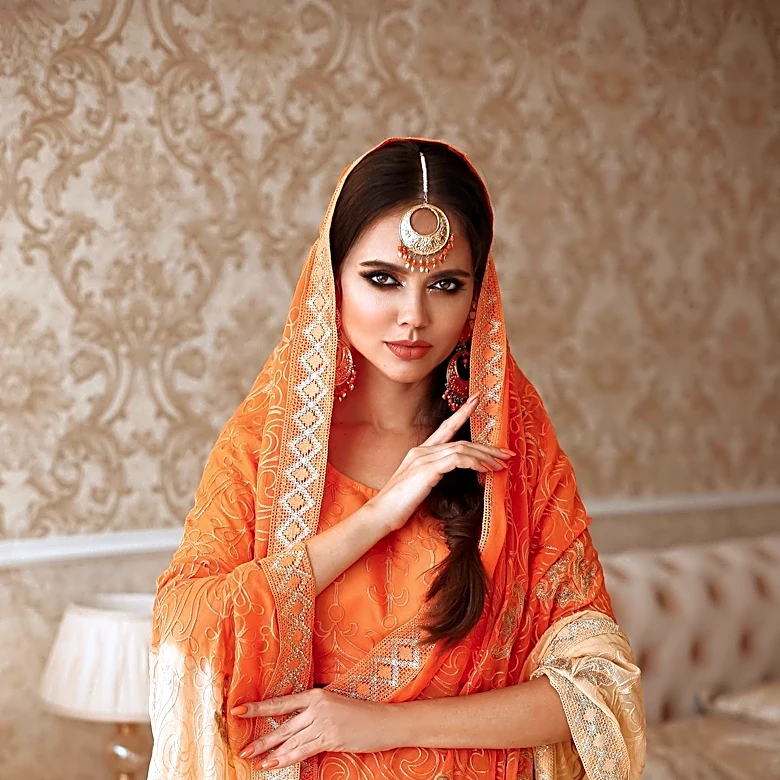




The sari is far more than just a garment; it is a profound cultural symbol, a canvas of identity, and a reflection of regional diversity across South Asia. Worn by women in India, Sri Lanka, Bangladesh, Nepal, and parts of Pakistan, the sari's significance extends beyond mere clothing, embodying tradition, social status, and personal expression. The myriad ways in which it is draped speak volumes about the wearer's origin and cultural heritage, making
it a living testament to the rich tapestry of South Asian cultures.
Regional Draping Styles as Markers of Identity
One of the most fascinating aspects of the sari is the vast number of ways it can be draped. These draping styles are not arbitrary; they are deeply rooted in specific cultural regions and can often indicate the wearer's geographical origin. For example, in Gujarat, a distinct draping method involves the end of the sari hanging forward rather than backward, a clear regional identifier. This variation highlights how local customs have shaped the practical and aesthetic aspects of wearing a sari. The evolution of these styles also reflects broader societal changes, with some draping fashions adapting over time, as seen with the Lehanga.Historically, the sari, often a simple white cotton cloth, was the primary garment. Over time, however, the ensemble evolved to include a petticoat worn underneath and a fitted, often midriff-baring blouse called a Choli. These additions, while now integral to the modern sari ensemble, are largely considered modern traditions, likely influenced by Arab and European, particularly British, customs. Despite these external influences, the core practice of draping an unstitched cloth remains central to the sari's identity, allowing for both adherence to tradition and personal adaptation.
The Sari as a Symbol of Occasion and Status
The choice of sari often communicates the occasion and, at times, the social standing of the wearer. While everyday saris might be made of more common fabrics and feature printed patterns, festive and bridal saris are frequently crafted from luxurious materials like silk and adorned with intricate woven designs. The quality of the fabric and the complexity of the patterns can differentiate between a sari worn for daily activities and one reserved for significant events like weddings or celebrations. Poorer women, for instance, might wear shorter saris made of less elaborate fabric, often draped only around the hips if the length is insufficient for a full wrap.This distinction underscores the sari's role as a visual indicator within society. The most decorative part, the Paluv (or Pallu), typically draped over the shoulder, often showcases the finest craftsmanship, drawing attention to the garment's artistry. The continued popularity of the sari, from its ancient origins in the Indus Valley Civilization to its modern adaptations, demonstrates its enduring cultural relevance. It remains a powerful symbol of heritage, identity, and the diverse aesthetic traditions of South Asia, with each drape telling a unique story.