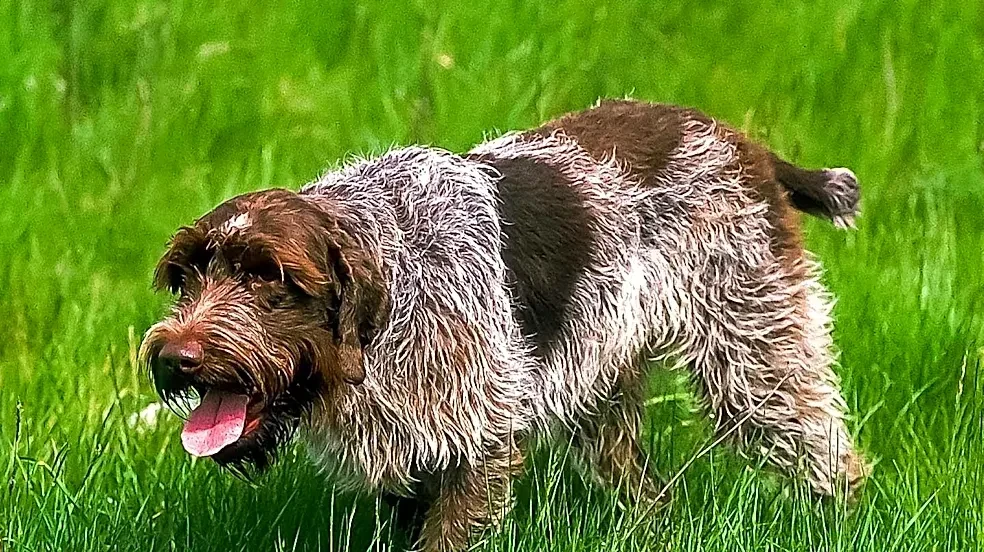








The Pointer, often identified as the English Pointer, holds a unique and esteemed position within the world of gundog sports. This medium-sized breed, developed in England, is specifically bred to locate game for hunters. Gundog enthusiasts widely consider the Pointer to be among the finest breeds of its kind, primarily due to its specialized function. Unlike many other hunting breeds that might retrieve game, the Pointer's core purpose is to "point"—a
distinctive stance it adopts upon detecting the scent of game. This action serves as a clear, visible signal to the hunter, indicating the precise location of hidden quarry. This singular focus on pointing distinguishes it significantly from other hunting dogs.
The Art of the Point: A Hunter's Signal
The breed's name, "Pointer," is a direct reflection of its most defining characteristic: the pointing stance. When a Pointer catches the scent of game, it freezes, often with one front leg raised and its body rigid, its muzzle directed precisely towards the hidden game. This motionless posture is an unmistakable signal to the hunter, communicating both that game has been found and its exact whereabouts. This ability is crucial for hunters, allowing them to approach the game without flushing it prematurely. The term "English Pointer" is sometimes used to differentiate it from other pointing dog breeds, highlighting its specific lineage and development within England.In the United United States, particularly south of the Mason–Dixon line, the term "bird dog" is frequently used to describe the Pointer breed, even though "bird dog" generally encompasses all pointing dogs and setters. This regional usage underscores the breed's prominence and association with bird hunting in certain parts of the country. The Pointer's dedication to its pointing task makes it an invaluable partner in the field, embodying a specialized skill refined over centuries of selective breeding.
Evolution for Precision: From Ponderous to Agile
The development of the Pointer breed was closely tied to the evolution of hunting practices and firearms. Early Pointers were described as relatively heavy and ponderous dogs. Their build allowed them to maintain a steady point, a necessary trait when hunters used less efficient firearms that required more time to prepare for a shot. The dog's ability to hold its position steadfastly was paramount, ensuring the game remained in place until the hunter was ready.However, as firearms advanced throughout the 18th and 19th centuries, becoming faster and more reliable, the demand shifted towards more agile and swift hunting dogs. This led to the introduction of Greyhound blood into the Pointer lineage. The aim was to enhance the breed's speed and overall athleticism. This crossbreeding resulted in the modern Pointer being a much more refined animal, characterized by a comparatively tucked-up loin, tighter lips, and a low-set tail—features that bear a resemblance to the Greyhound. This transformation allowed the Pointer to cover ground more quickly and efficiently, adapting to the changing needs of the hunter while retaining its fundamental and highly valued pointing instinct.