





Olympic National Park, located in Washington state, is a remarkable area known for its diverse ecosystems. Established in 1938, this park is a UNESCO World Heritage Site, covering over 900,000 acres. It offers a unique blend of rainforests, mountains, and coastline, making it a haven for nature enthusiasts and researchers alike.
The Lush Rainforests
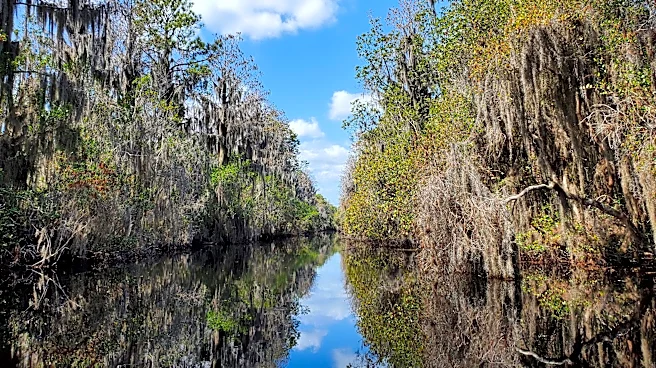
One of the most striking features of Olympic National Park is its temperate rainforests. These rainforests are characterized
by their dense canopy and rich biodiversity. The park's rainforests receive significant rainfall, which supports a wide variety of plant and animal life. Visitors can explore trails that wind through towering trees and lush undergrowth, offering a glimpse into a vibrant ecosystem teeming with life.
The rainforests are home to numerous species of mosses, ferns, and lichens, which thrive in the moist environment. The dense vegetation provides habitat for a variety of wildlife, including birds, mammals, and insects. This ecosystem is a critical component of the park's overall biodiversity, contributing to its designation as a UNESCO World Heritage Site.
Majestic Mountain Ranges
In addition to its rainforests, Olympic National Park boasts impressive mountain ranges. The Olympic Mountains are a prominent feature of the park, offering breathtaking views and challenging hiking opportunities. These mountains are not only a visual spectacle but also play a crucial role in the park's ecosystem.
The mountains influence the park's climate and weather patterns, creating distinct microclimates that support diverse plant and animal communities. The higher elevations are home to alpine meadows and subalpine forests, which provide habitat for unique species adapted to these conditions. The mountains also serve as a vital water source, with snowmelt feeding into rivers and streams that sustain the park's ecosystems.
Coastal Wonders
Olympic National Park's coastline is another remarkable aspect of its diverse ecosystems. Stretching along the Pacific Ocean, the park's coastline features rugged cliffs, sandy beaches, and tide pools teeming with marine life. This coastal environment is a dynamic and ever-changing landscape, shaped by the forces of wind and water.
The coastline provides habitat for a variety of marine species, including sea stars, anemones, and crabs. It is also a critical area for bird species, such as gulls and shorebirds, which rely on the coastal environment for nesting and feeding. The interplay between land and sea creates a unique ecosystem that is both beautiful and ecologically significant.
Olympic National Park's diverse ecosystems make it a unique and valuable natural area. From lush rainforests to majestic mountains and coastal wonders, the park offers a rich tapestry of environments that support a wide array of plant and animal life. This diversity is a testament to the park's ecological importance and its status as a UNESCO World Heritage Site.