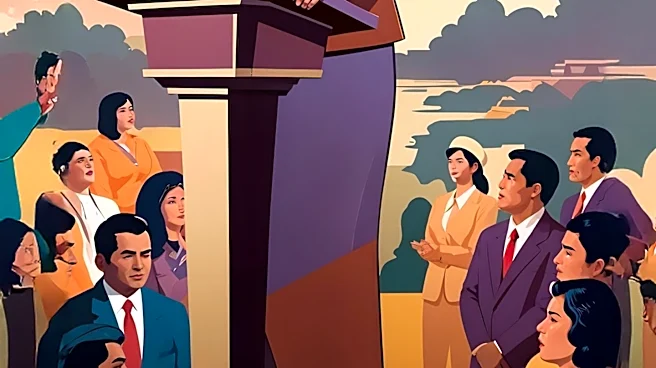









*Fiorello!* is a musical that delves into the tumultuous political landscape of New York City during the early 20th century, focusing on the life of Fiorello La Guardia. More than just a biographical account, the production, with a book by Jerome Weidman and George Abbott, lyrics by Sheldon Harnick, and music by Jerry Bock, explores themes of political corruption, social justice, and personal sacrifice. It vividly portrays La Guardia's relentless
campaign against the entrenched Tammany Hall political machine, intertwining his public battles with his private life and relationships, offering a nuanced look at a pivotal figure in American history.
Battling Tammany Hall: A Reformer's Crusade
The central conflict of *Fiorello!* revolves around La Guardia's unwavering commitment to reform and his direct confrontation with the corrupt Tammany Hall machine. The musical opens with Mayor Fiorello H. La Guardia reading comics over the radio during a newspaper strike, a scene that quickly transitions to 1915, showcasing his law office where he assists clients regardless of their ability to pay. This establishes his character as a man of the people. His early political aspirations are highlighted when his secretary Marie introduces him as a potential Congressional candidate, aiming to challenge Tammany Hall. The song "The Name's La Guardia!" encapsulates his campaign promise to break the machine's stranglehold. Even after winning a Congressional election, depicted in "The Bum Won," the fight against corruption continues, culminating in his eventual mayoral victory in 1933. The musical uses songs like "Politics and Poker" and "Little Tin Box" to satirize the machine politicians, illustrating their cynical view of politics and their attempts to justify ill-gotten wealth.
Personal Sacrifices and Romantic Entanglements
Beyond the political arena, *Fiorello!* explores La Guardia's personal life, particularly his relationships with two significant women: Thea Almerigatti and Marie. Thea, a leader of women shirtwaist strikers, initially captures Fiorello's attention, leading him to break a date with Marie to strategize with Thea. Their relationship deepens, and La Guardia proposes to Thea before enlisting in the Air Force during World War I. The musical depicts their farewell in "Till Tomorrow" and his return home to both Thea and Marie. Thea's eventual marriage to La Guardia and her subsequent illness and death in 1929 become a profound personal tragedy that fuels his political resolve. Marie, initially his secretary, harbors unrequited feelings for Fiorello, expressed in "Marie's Law." After Thea's death and La Guardia's initial loss in the 1929 mayoral race, Marie plays a crucial role in convincing him to run again and eventually accepts his marriage proposal, becoming his second wife and a partner in his continued fight for reform. The musical, however, takes some liberties with historical facts, extending Thea's life to align with La Guardia's 1929 mayoral campaign to heighten the dramatic impact of his personal and political struggles.
Musical Commentary and Character Portrayals
The songs in *Fiorello!* serve not only to advance the plot but also to provide insightful commentary on the characters and the political climate. "Politics and Poker" uses a waltz tempo to underscore the frivolous cynicism of Republican machine politicians as they discuss candidates. "The Bum Won" captures their commiseration after La Guardia's unexpected victory. "Little Tin Box" humorously portrays Tammany politicians attempting to explain their wealth to a judge, attributing it to scrupulous saving habits. Other songs like "I Love a Cop" highlight social issues, describing a factory worker's conflicted feelings for a policeman called to break up a strike. "The Name's La Guardia" showcases La Guardia's multilingual campaigning in English, Italian, and Yiddish, reflecting his diverse constituency. The ragtime number "Gentleman Jimmy" offers a glimpse into the character of bon vivant mayor James J. "Jimmy" Walker, La Guardia's competitor. These musical elements, combined with the nuanced portrayal of characters like the steadfast Marie and the pragmatic Ben Marino, contribute to a rich and engaging narrative that explores the complexities of political reform and personal commitment in a vibrant historical setting.