






In the high-stakes world of motorsports, a pit stop is far more than just a quick pause for maintenance; it's a meticulously choreographed strategic maneuver that can dramatically influence the outcome of a race. These brief interludes, where cars pull off the track into a designated pit lane, involve a flurry of activity from a specialized crew. From refueling and tire changes to mechanical adjustments and even driver swaps, every action is timed
to perfection, with teams constantly calculating how to leverage these stops for a competitive edge. The strategic decisions made around pit stops are often as crucial as the driving itself, turning a momentary pause into a pivotal moment in the race.
Location and Terminology: Understanding the Pit Environment
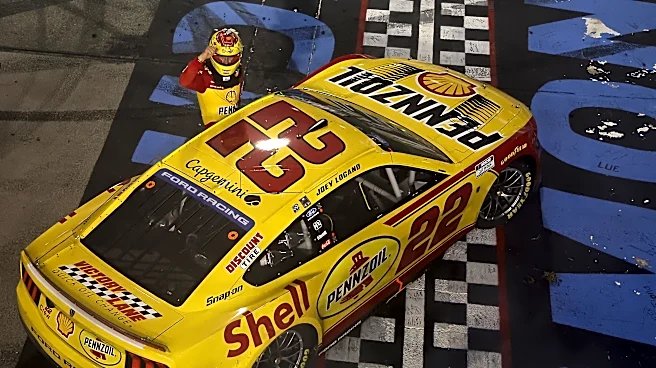
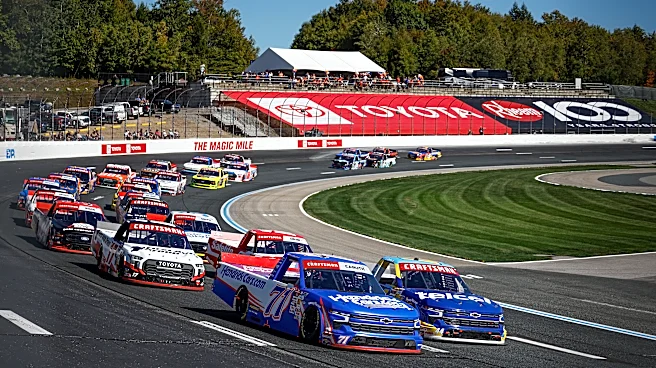
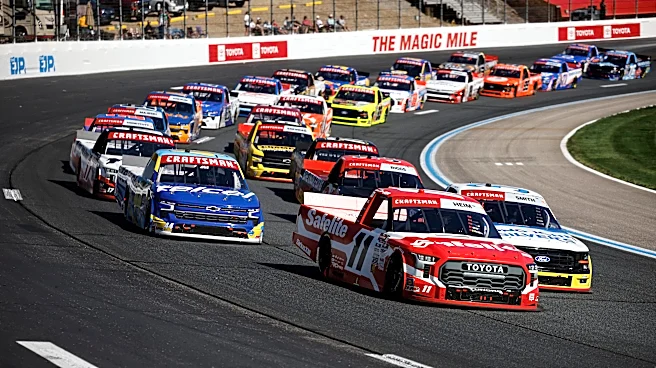
The physical layout of the pit area varies across different racing circuits and series. In motorsports, the "pits" are an area most commonly accessed via a pit lane, which runs parallel to the track's start/finish straightaway and connects to it at both ends. Along this lane, a row of garages, typically one per team or car, provides the base for operations. The actual work on the car is performed in a designated "pit box" outside these garages. In North American circuits, a pit lane often features numerous pit stalls, usually between 30 and 50, separated from the infield by a pit wall. Garages, if used, might be on a separate road within the infield.
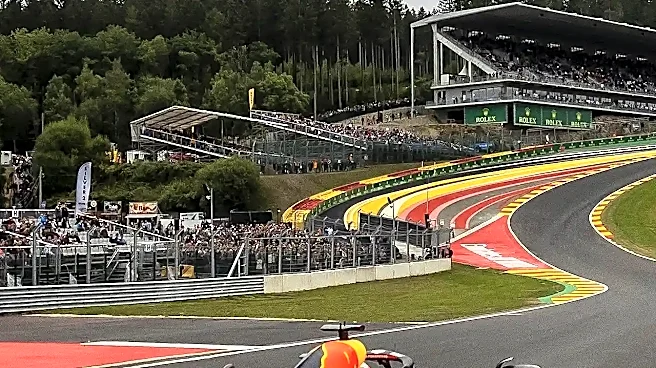
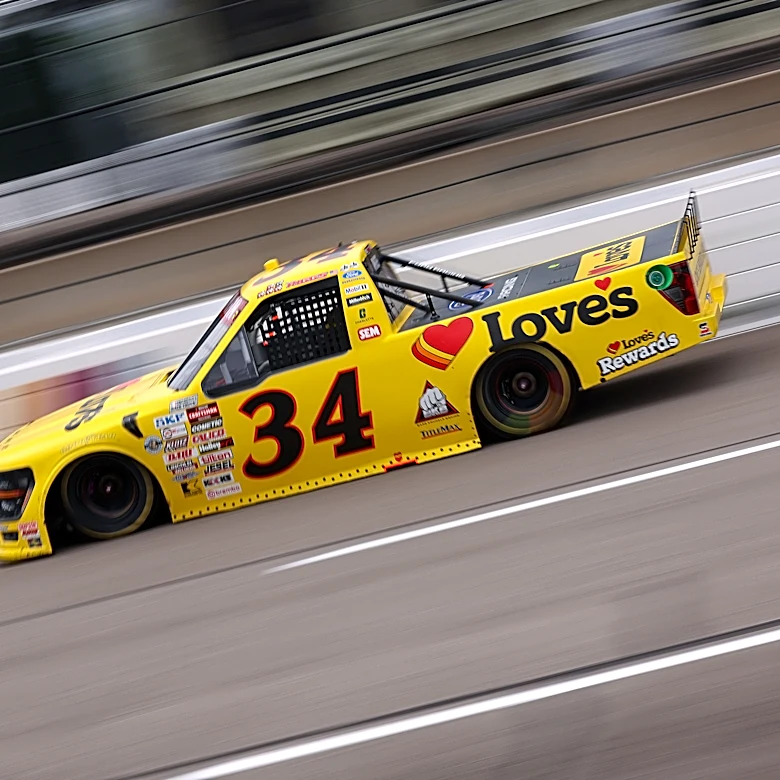
In contrast, circuits used in Formula One, particularly those outside North America, often have individual garages that open directly onto the pit lane through the team's assigned pit box. Terminology also differs regionally; in American English, it's common to refer to "pit road" without the definite article, while British English consistently uses "the pit lane." Similarly, "pit box" is universally used in British English, whereas American English often uses "pit stall." In NASCAR, the term "pit box" refers to a tool, though a definitive term for the stall itself is also used.
The Purpose of a Pit Stop: More Than Just Maintenance
The primary purposes of a pit stop are varied and critical to a car's performance and ability to complete a race. Refueling, where permitted, is a significant reason, as carrying less fuel allows a car to run faster, and fuel tank size limits often necessitate multiple stops. Tire changes are equally common, as tires degrade quickly and softer compounds, while offering more grip, wear out faster. Teams may also change tires to adapt to weather conditions, switching between racing slicks for dry tracks and rain tires for wet ones.
Beyond these, pit stops allow for mechanical adjustments, repairs, and even driver changes in endurance races. Teams meticulously plan their pit strategy, determining the number of stops based on factors like fuel capacity, tire lifespan, and the trade-off between time lost in the pits versus time gained on the track. An optimal pit strategy is crucial for success, and teams must also consider competitors' strategies. Unscheduled stops might occur due to damage or to avoid being held up by a competitor, highlighting the dynamic nature of race strategy.
General Strategy: Balancing Speed and Efficiency
In any racing series that allows scheduled pit stops, pit strategy becomes a cornerstone of the race. A car traveling at 100 miles per hour covers approximately 150 feet per second. This means that during a ten-second pit stop, competitors on the track can gain about a quarter-mile on the stopped car. However, the car that made the pit stop benefits from carrying less fuel, reducing its weight, and having less wear on its tires, which provides better traction and allows for higher cornering speeds. In series offering different tire compounds, lower tire wear might enable a team to use softer, grippier tires, even if they wear faster.
Race teams develop a pit strategy before each race, accounting for fuel consumption, fuel weight, tire wear rates, cornering speeds with different tire compounds, pit road length, speed limits, and even anticipated weather changes. This strategy outlines not only when pit stops will occur but also what services and adjustments are scheduled, particularly in endurance racing where brake pad replacements might be planned. The goal is to minimize the total time to cover the race distance by balancing time lost in the pits with time gained on the track. However, pit strategy is fluid and can change during a race due to unpredictable events, such as weather shifts or safety car periods, which often trigger mass pit stops as teams try to capitalize on the slowed pace.
Formula One Pit Stop Dynamics
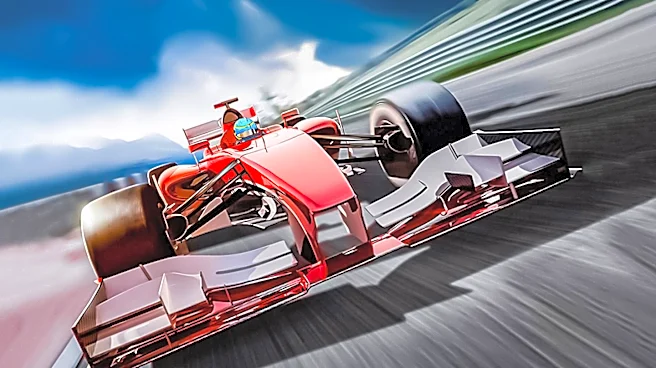
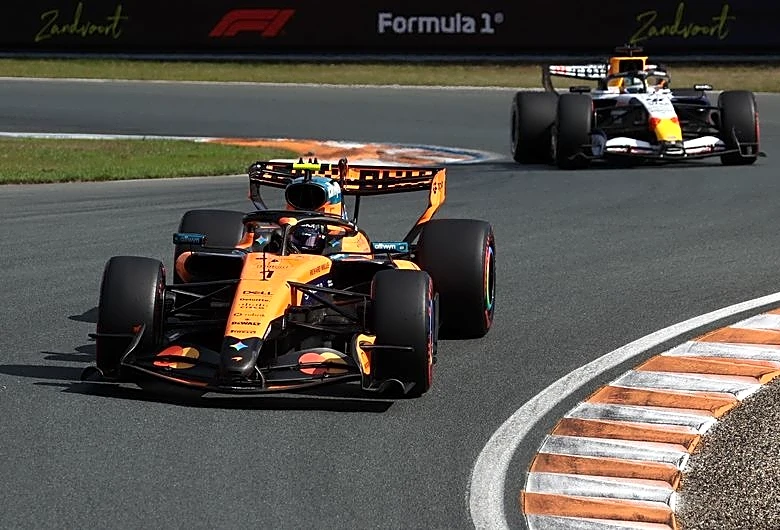
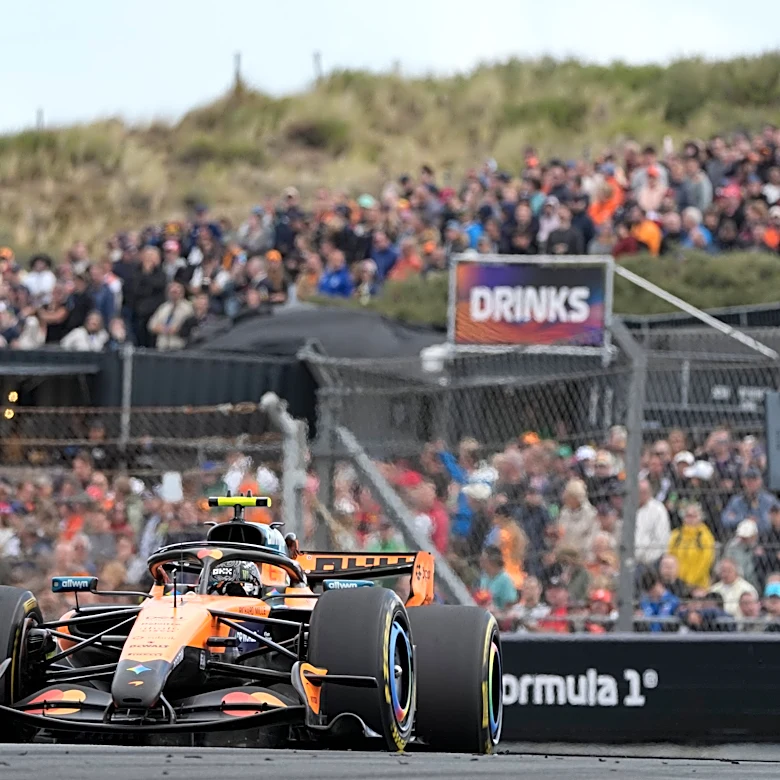
In Formula One, mid-race refueling has been banned since 2010, making tire changes the primary purpose of pit stops. Teams also make minor adjustments to front and rear wings or replace damaged nose and front wing assemblies. A typical Formula One pit stop is incredibly fast, often completed in about 3 seconds, with the current world record being 1.80 seconds. Strategies usually involve one or two scheduled stops, rarely more, with the periods between stops known as 'stints'.
Formula One rules limit teams to a single pit crew for their two cars, unlike most other series where each car has its own crew. This necessitates staggering pit schedules so only one car is in the pits at a time. However, teams can employ a 'double stack' strategy during opportune moments, like safety car periods, to pit both cars on the same lap. This ensures both drivers have equally fresh tires and can help conceal performance differences from rival teams. Strategic maneuvers like the 'undercut' and 'overcut' are also common. An undercut involves the trailing car pitting earlier to use fresh tires to reduce the leader's advantage, hoping to emerge ahead when the leader eventually pits. Conversely, an overcut sees the leading car stay out longer on older tires, aiming to maintain or extend its lead if its tires are still performing well or if the car behind encounters traffic after its early stop.