



Casual Friday, also known as dress-down Friday or casual day, represents a significant Western dress code trend where businesses intentionally relax their usual attire requirements on the last day of the workweek. This practice allows employees who typically adhere to more formal dress codes, such as suits, dress shirts, neckties, and dress shoes, to opt for more casual or business casual wear. The widespread adoption of Casual Friday has had a notable
impact on workplace culture and fashion, reflecting a broader shift towards comfort and flexibility in professional environments.
Origins and Early Adoption
The roots of Casual Friday can be traced back to Hawaii's midcentury custom of Aloha Friday. This tradition, where "Aloha Wear" was considered suitable business attire any day of the week, slowly spread from Hawaii to California. By the 1990s, this concept had gained global traction and became widely known as Casual Friday. The trend's formal beginning in the United States is often associated with the 1950s and 1960s, when companies like Hewlett-Packard allowed their employees to dress more casually on Fridays, fostering an environment conducive to new ideas and innovation.
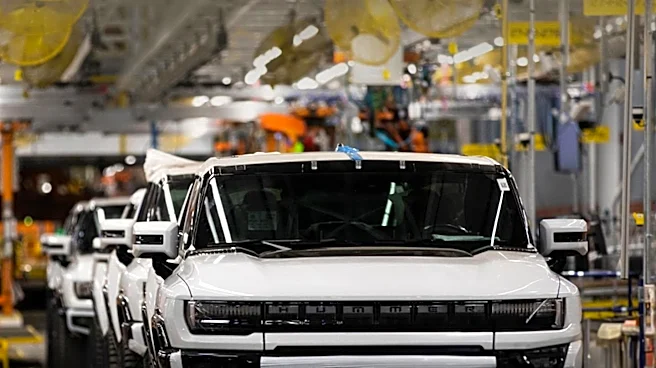
By 1994, the practice had become remarkably prevalent across the United States. A significant number of major corporations, specifically 497 out of the 1000 most important companies in the country, had adopted Casual Friday. This included prominent names such as General Motors, Ford, and IBM, indicating a widespread acceptance of this relaxed dress code even within traditionally conservative industries. The rapid adoption by such influential companies solidified Casual Friday as a mainstream workplace phenomenon.
Defining Business Casual for Fridays
While Casual Friday permits more relaxed attire, it often introduces the concept of