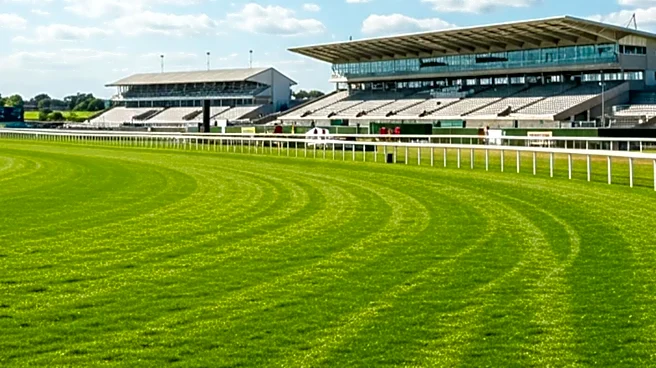




Aintree, a name synonymous with the Grand National horse race, also holds a significant, though perhaps less widely known, place in the history of motor racing. The Aintree Motor Racing Circuit, which opened in 1954, was ingeniously built within the existing Aintree Racecourse. This strategic placement allowed the motor racing circuit to utilize the same grandstands that served the venerable horse racing events, creating a unique dual-purpose venue.
This integration speaks to a period of innovation where existing infrastructure was adapted to accommodate new and burgeoning sports, establishing Aintree as a site where two distinct forms of speed and competition coexisted and thrived.
Shared Foundations: The Birth of a Dual-Purpose Venue
The decision to construct the motor racing circuit within the Aintree Racecourse was a defining characteristic of its development. This approach not only saved resources but also created an immediate sense of grandeur for the new motor racing venture, leveraging the established prestige and facilities of the horse racing venue. The circuit was designed to be well-surfaced and relatively flat, ranging from 49 to 98 feet (15 to 30 meters) in elevation, making it suitable for high-speed motor racing. This design philosophy, combined with the shared grandstands, earned it the nickname "Goodwood of the North," drawing parallels to another famous multi-sport venue.
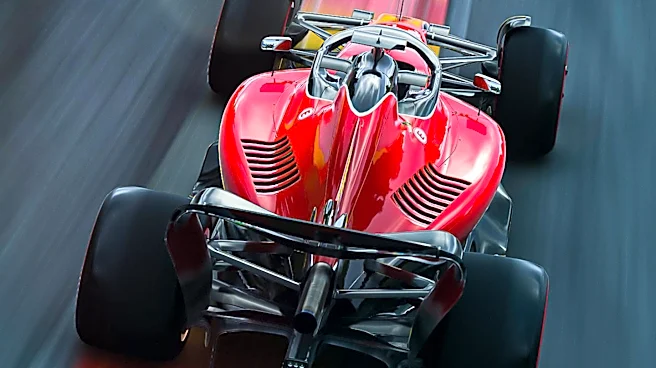
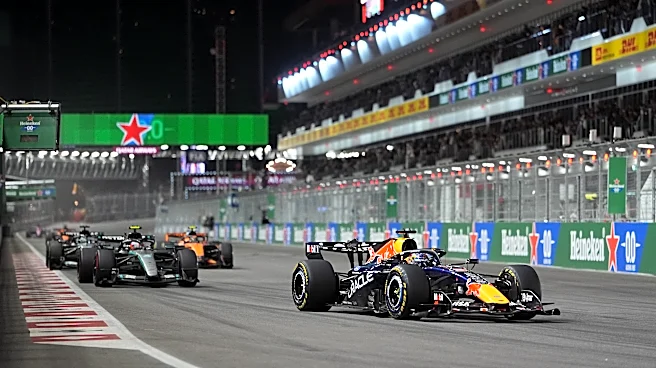
This shared infrastructure meant that spectators could experience top-tier sporting events, whether it was the thundering hooves of racehorses or the roar of Formula One engines, from the same vantage points. The integration was seamless enough that the motor racing circuit became a prominent fixture, hosting the Formula One British Grand Prix five times between 1955 and 1962. This period showcased Aintree's ability to successfully host major international motor racing events while maintaining its primary identity as a horse racing mecca.
From Grand Prix to Club Circuit: Adapting Within the Racecourse
While the full Grand Prix circuit ceased operations in 1964, the motor racing legacy at Aintree did not end. A significant portion, known as the 1.535-mile (2.470 km) Club Circuit, continued to operate. This smaller circuit, with its four turns, remained nestled within the larger Aintree Grand National Course. This continued existence highlights the adaptability of the venue and the enduring passion for motor racing in the region. The Club Circuit even encloses a public nine-hole golf course operated by Aintree Racecourse, further demonstrating the multi-faceted use of the land.
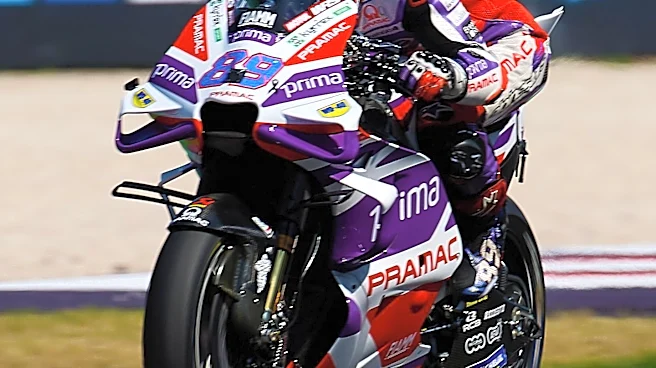
The Aintree Circuit Club took over operations of the Club Circuit from the mid-1960s to the late 1990s, ensuring that motorsport activities persisted. Later, in the 1980s, the 108 Car Club (St. Helens) revitalized the circuit's use by introducing rallying, bringing new ideas and events to the site. This continuous evolution within the existing racecourse framework allowed Aintree to remain a relevant and active motorsport venue, even as the nature of its racing changed from international Grand Prix to more local club events. Today, the Club Circuit still hosts car sprints, track days, and motorcycle racing, with the Aintree Motor Cycle Racing Club organizing six events annually, proving that Aintree's dual identity continues to thrive.