

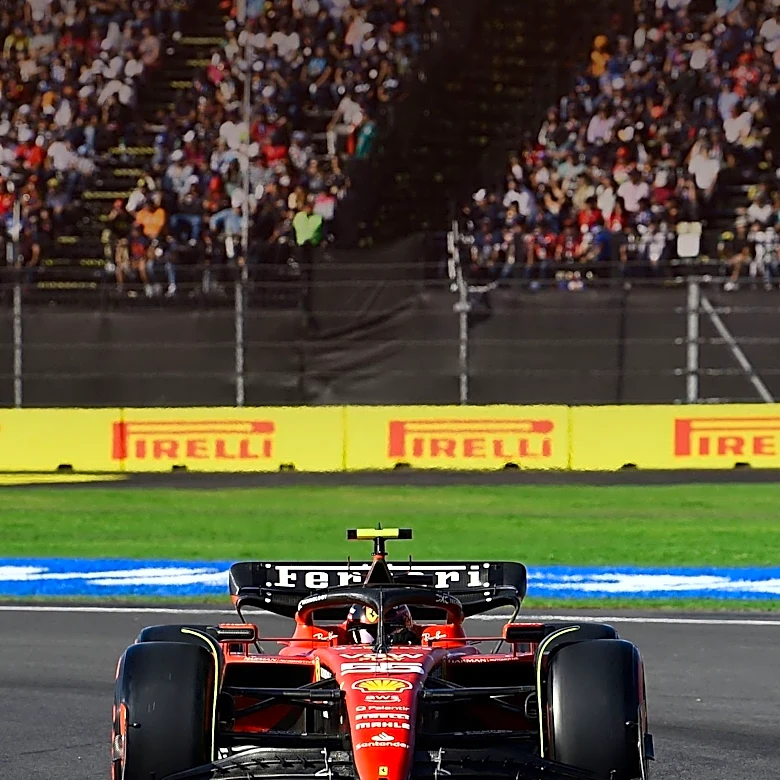




The Shanghai International Circuit is a cornerstone of the Chinese Grand Prix, offering a unique and challenging experience for drivers and teams alike. Designed by Hermann Tilke, this circuit has been the venue for the Chinese Grand Prix since its debut in 2004, playing a crucial role in the development of Formula One in China.
Design and Features
Opened in 2004, the Shanghai International Circuit was the most expensive Formula One facility at the time, costing $240
million. Its design includes a 5.451 km (3.387 miles) track with 56 laps, featuring one of the most demanding corner combinations in the Formula One calendar: Turn 1 and 2. This 270-degree, right-handed corner combination challenges drivers with a decreasing radius as the corner progresses.
The circuit's layout is not only a test of skill but also a spectacle for fans, offering thrilling races and memorable moments. The design reflects the ambition of China to establish itself as a significant player in the world of motorsport, providing a platform for both local and international talent.
Historical Significance
Since its inception, the Shanghai International Circuit has hosted numerous memorable races. The first Chinese Grand Prix in 2004 saw Ferrari's Rubens Barrichello take the win, setting the stage for future competitions. In 2005, the circuit hosted the final round of the championship, where Fernando Alonso secured the constructor's title for Renault.
Michael Schumacher's victory in 2006 marked his last in Formula One, adding to the circuit's historical significance. Over the years, the Shanghai International Circuit has witnessed the dominance of Lewis Hamilton, who holds the record for the most wins at the Chinese Grand Prix, and Mercedes, the constructor with the most victories.
The Future of the Circuit
The Shanghai International Circuit continues to be a vital part of the Formula One calendar, with the Chinese Grand Prix contracted to be held until 2030. After a hiatus due to the COVID-19 pandemic, the event resumed in 2024, signaling a new era for the circuit and the sport in China.
As the home of the Chinese Grand Prix, the Shanghai International Circuit remains a symbol of China's growing influence in motorsport. With Zhou Guanyu becoming the first Chinese driver to compete at his home race, the circuit is poised to inspire future generations and contribute to the global expansion of Formula One.