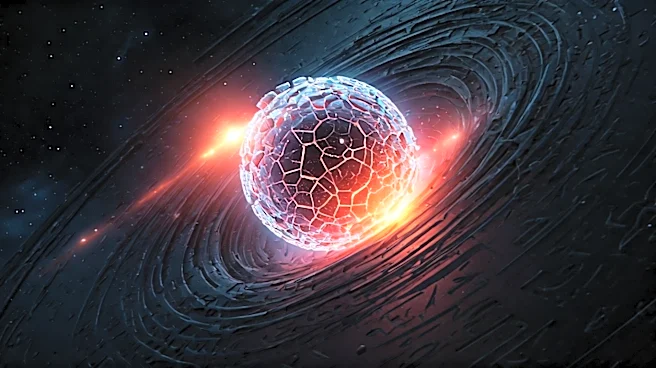










Speculative fiction is a broad and imaginative genre that has evolved significantly over time. It encompasses a variety of subgenres that depart from realism, presenting fantastical, supernatural, and futuristic realms. This article explores the historical development of speculative fiction, tracing its roots and examining how it has grown into a diverse and influential genre.
Early Beginnings and Influences
Speculative fiction's origins can be traced back to ancient mythologies
and folklore, where stories often included fantastical elements. These early narratives laid the groundwork for what would become a rich tradition of imaginative storytelling. As literature evolved, so did the complexity and scope of speculative fiction. The genre began to take shape during the Enlightenment and Scientific Revolution, with works that blended scientific inquiry with imaginative speculation.
In the 19th century, authors like Mary Shelley and Jules Verne further defined the genre. Shelley's "Frankenstein" is often credited as one of the first true science fiction novels, exploring themes of creation and the consequences of scientific advancement. Verne's adventure tales, such as "Twenty Thousand Leagues Under the Sea," combined scientific accuracy with imaginative exploration, setting a precedent for future works.
The Golden Age and Beyond
The early 20th century marked a significant period for speculative fiction, often referred to as the Golden Age. This era saw the rise of pulp magazines, which popularized science fiction and fantasy stories. Writers like H.G. Wells and Edgar Rice Burroughs captivated audiences with tales of time travel, alien worlds, and futuristic technology. These stories not only entertained but also reflected societal anxieties and aspirations.
As the genre matured, it began to explore more complex themes and social issues. The mid-20th century introduced the New Wave movement, which emphasized literary style and psychological depth. Authors like Ursula K. Le Guin and Philip K. Dick used speculative fiction to challenge conventional narratives and explore philosophical questions about identity, society, and the nature of reality.
Modern Developments and Diversity
Today, speculative fiction continues to thrive, with a diverse range of voices and perspectives contributing to its evolution. The genre has expanded to include subgenres like cyberpunk, steampunk, and climate fiction, each offering unique takes on technology, society, and the environment. Contemporary authors are pushing the boundaries of speculative fiction, using it as a platform to address pressing global issues and imagine alternative futures.
Speculative fiction's ability to adapt and evolve has ensured its enduring popularity and relevance. As it continues to grow, the genre remains a powerful tool for exploring the human condition and envisioning the possibilities of the future.