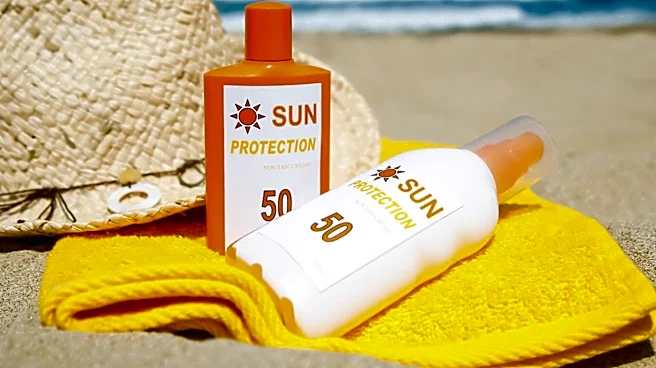

Octinoxate is a common ingredient in many sunscreens, known for its ability to absorb UV-B rays. This organic compound plays a crucial role in protecting the skin from the harmful effects of sun exposure.
As concerns about skin health and sun damage grow, understanding the function and benefits of octinoxate in sunscreens becomes increasingly important.
How Octinoxate Works
Octinoxate, also known as ethylhexyl methoxycinnamate, is an organic compound widely used in sunscreens. Its primary function is to absorb ultraviolet B (UV-B) rays from the sun, which are known to cause skin damage and increase the risk of skin cancer. By absorbing these rays, octinoxate helps to prevent sunburn and other harmful effects of sun exposure.
The compound is an ester formed from methoxycinnamic acid and 2-ethylhexanol. It exists as a colorless liquid that is insoluble in water, making it an ideal ingredient for topical applications like sunscreens. When applied to the skin, octinoxate forms a protective barrier that absorbs UV-B radiation, thereby reducing the amount of radiation that penetrates the skin.
Benefits of Octinoxate in Skin Protection
The inclusion of octinoxate in sunscreens offers several benefits for skin protection. By effectively absorbing UV-B rays, it helps to minimize the risk of sunburn, which is a common cause of skin damage. This protection is crucial for maintaining healthy skin, especially for individuals who spend extended periods outdoors.
In addition to preventing sunburn, octinoxate also helps to reduce the risk of long-term skin damage. Prolonged exposure to UV-B rays can lead to premature aging, characterized by wrinkles and age spots. By blocking these rays, octinoxate helps to preserve the skin's youthful appearance and prevent the development of these signs of aging.
Considerations and Environmental Impact
While octinoxate is effective in protecting the skin, its environmental impact has raised concerns. Studies have linked octinoxate to coral bleaching, a phenomenon that threatens coral reefs worldwide. As a result, some regions, such as Hawaii, have banned sunscreens containing octinoxate to protect marine ecosystems.
The scrutiny of octinoxate's environmental effects highlights the need for balance between skin protection and ecological preservation. As research continues, the development of alternative UV filters that offer similar protection without harming the environment is a growing area of interest.
In conclusion, octinoxate plays a vital role in sunscreens by absorbing UV-B rays and protecting the skin from sun damage. However, its environmental impact necessitates careful consideration and ongoing research to ensure both human and ecological health are safeguarded.