






Kheer, a beloved pudding or porridge from the Indian subcontinent, is a testament to culinary versatility. While its core identity revolves around milk, sugar, and a primary grain, the dish manifests in a myriad of forms, each reflecting regional tastes, available ingredients, and cultural nuances. From the choice of starch to the array of flavorings and sweeteners, kheer offers a rich tapestry of textures and tastes. This exploration delves into
the fundamental components and diverse preparations that make kheer a universally cherished dessert across South Asia.
Core Ingredients and Fundamental Preparation
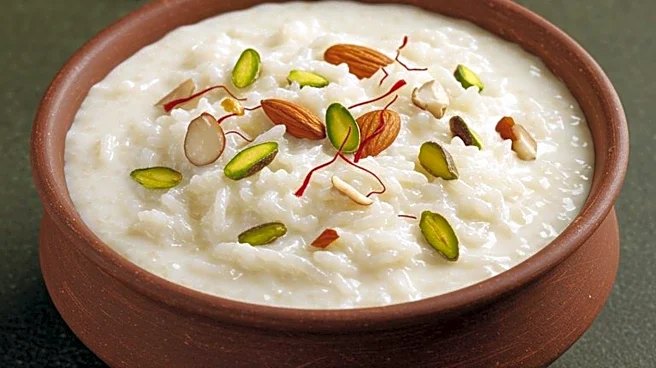
At its heart, kheer is a simple yet elegant dish. The foundational method involves boiling milk with a sweetener, typically sugar or jaggery, and a starch. Rice is the most common starch, giving rise to the popular rice pudding variant. However, the flexibility of kheer allows for other bases such as cracked wheat, vermicelli (sevai), sago, or tapioca (sabudana). This adaptability means that even those with dietary preferences or ingredient availability constraints can enjoy a version of this classic dessert.The preparation generally involves a slow simmering process, allowing the milk to reduce and thicken, imparting a creamy consistency to the pudding. This slow cooking also helps the starch to soften and absorb the flavors. While the basic recipe is straightforward, the addition of various flavorings and garnishes elevates the dish. Common enhancements include dried fruits, nuts like pistachios or almonds, aromatic spices such as cardamom, and the luxurious touch of saffron. These additions not only contribute to the flavor profile but also add textural complexity, making each spoonful a delightful experience.
Regional Interpretations and Unique Variations
The beauty of kheer lies in its regional diversity. Across the Indian subcontinent, local traditions have shaped distinct versions of the pudding. In Northern India, for example, kheer is made in various ways, with rice and vermicelli (semiya) being among the most common. These northern renditions often feature a generous use of nuts and dried fruits, reflecting the region's culinary preferences.Nepal offers a different take, where kheer tends to be thicker and utilizes fewer ingredients, resulting in a more concentrated flavor and texture. This simplicity highlights the quality of the core components. Beyond these general regional styles, specific variations abound. Examples include barley kheer, which uses barley grains as its base, and kaddu ki kheer, a unique preparation incorporating pumpkin. Paal payasam, or milk payasam, emphasizes the milk component, often simmered for extended periods to achieve a rich, condensed flavor. In Bengal, a similar dish is known as payesh, with chhanar payesh being a distinct version made from chhana, a type of fresh cheese or paneer. These diverse preparations underscore kheer's adaptability and its deep integration into the varied culinary landscapes of South Asia.