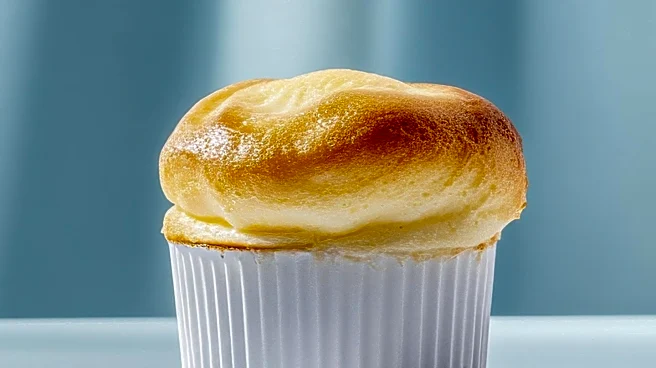




The soufflé, a light and airy baked egg dish, boasts a rich history rooted in early 18th-century France. Its name, derived from the French verb "souffler," meaning to blow, breathe, inflate, or puff, perfectly encapsulates its signature characteristic. While the earliest mention of this delicate dish is credited to the French master cook François Massialot, its widespread development and popularization are largely attributed to the renowned French chef
Marie-Antoine Carême in the early 19th century. This culinary creation has since evolved, finding its place on tables as both a savory main course and a delightful dessert.
Origins and Early Development
François Massialot, a prominent French master cook, is recognized for the earliest documented mention of the soufflé in the early 1700s. This initial appearance marked the beginning of a culinary item that would eventually become a staple of French cuisine. The concept of a dish that could inflate and puff up during baking was novel and intriguing, setting the stage for future culinary innovations.
The true ascent of the soufflé into culinary prominence, however, is often linked to Marie-Antoine Carême. Operating in the early 1800s, Carême's influence helped to refine and popularize the soufflé, transforming it into the recognizable dish we know today. His contributions were crucial in establishing the soufflé as a sophisticated and versatile preparation, capable of showcasing a variety of flavors.
Ingredients and Preparation Techniques
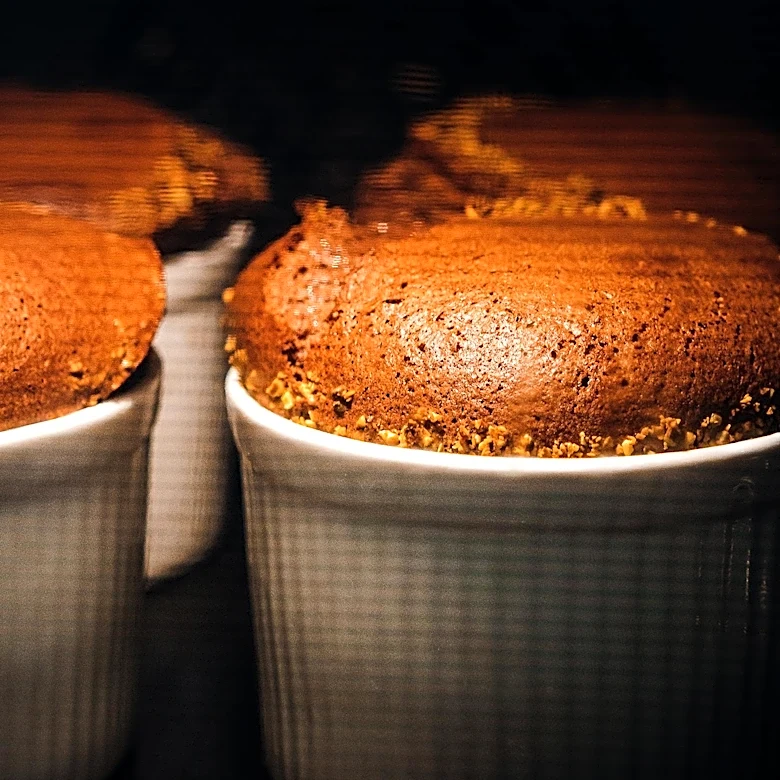
At its core, a soufflé is prepared from two fundamental components: a flavorful base and egg whites. The base is responsible for providing the dish's distinct taste, while the whipped egg whites are essential for creating the characteristic "lift" or puffiness. For savory soufflés, common flavoring ingredients include herbs, cheese, and various vegetables. Dessert soufflés, on the other hand, often feature ingredients such as jam, fruits, berries, chocolate, banana, and lemon.
Soufflés are typically baked in specialized containers known as ramekins or soufflé dishes. These are usually round porcelain containers with a glazed interior, unglazed bottoms, and vertical or nearly vertical sides, often adorned with fluted exterior borders. To prevent the soufflé from sticking, the baking vessel may be coated with a thin film of butter. Some preparations also involve adding a coating of sugar, bread crumbs, or a grated hard cheese like Parmesan inside the ramekin, in addition to the butter. This technique is believed by some cooks to facilitate an easier rise for the soufflé.
Serving and Presentation
Once cooked, a soufflé emerges from the oven puffed up and fluffy. However, much like risen dough, it will generally begin to fall after about 5 to 10 minutes. Soufflés can be served in various ways to enhance their appeal. A sweet dessert sauce might be poured atop a dessert soufflé, or it could be accompanied by a sorbet or ice cream on the side. When it's time to serve, the top of the soufflé may be punctured with serving utensils to divide it into individual portions. This action can also help a sauce to integrate more effectively into the dish, adding another layer of flavor and moisture.