

The creation of characters in Disney's *Moana* was a meticulous process, deeply rooted in cultural authenticity and artistic innovation. From the initial concepts to the final animated forms, the designs of Moana and Maui were shaped by extensive research and direct consultation with Polynesian cultural advisors. This commitment ensured that visual elements, such as Maui's physical appearance and his intricate tattoos, not only served the narrative
but also respectfully reflected the rich heritage of the Pacific Islands. The integration of traditional art forms with modern animation techniques presented unique challenges, ultimately contributing to the film's distinctive visual style and its critical acclaim.
Collaborative Design and Cultural Sensitivity
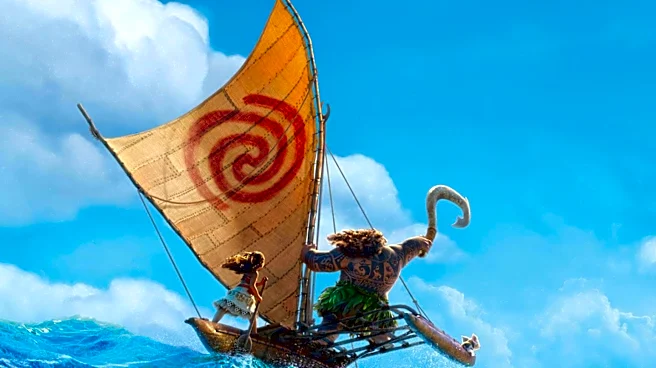
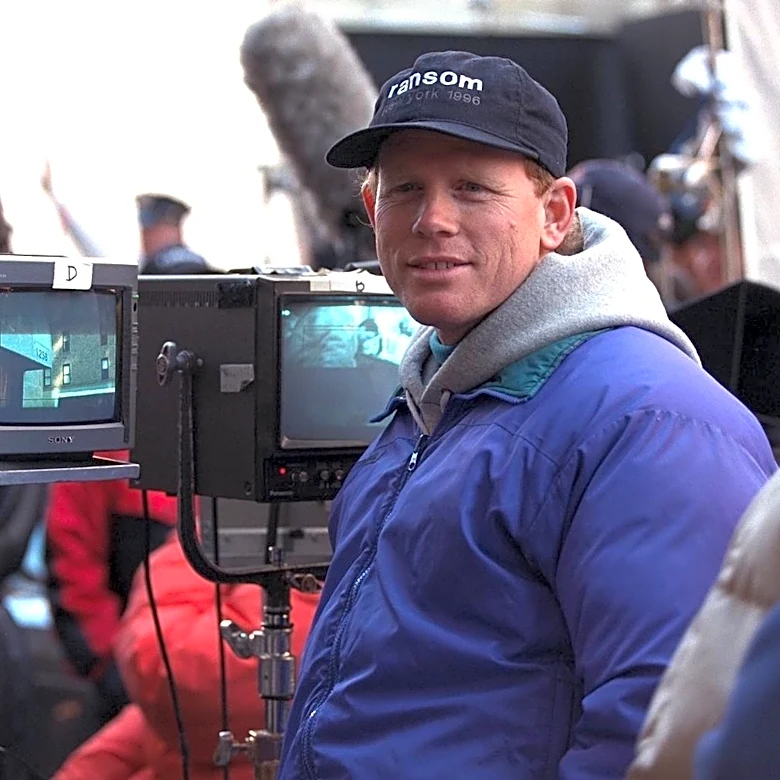
The character design for *Moana* began with research trips to Polynesia in 2011 by directors John Musker and Ron Clements. These trips led to the formation of the Oceanic Story Trust, a group of cultural advisors from various islands including Samoa, Tahiti, Mo'orea, and Fiji. This trust provided detailed feedback throughout the film's development, significantly influencing Maui's final design. Early character art depicted Maui with a shorter stature and a bald head, but this was abandoned following the trust's input. They advised that it was crucial for Maui to have hair, as it represented his mana, or power, as a demigod. Consequently, Maui was reworked with a broader frame and thick, flowing hair, despite the initial technical challenges this presented for animation.
Authenticity extended to every detail, including Maui's tattoos. Designers conducted thorough research into Polynesian designs, studying materials, patterns, and dyes used in traditional clothing and tattoo artistry. Maui's tattoos were specifically created after a careful study of the tattoos worn by Samoan chiefs. These tattoos were not merely decorative; they were designed to recount Maui's life, depicting his great deeds and victories. The idea of Maui's tattoos coming to life was conceived by development artist Sue Nichols, a concept that Musker and Clements embraced, exploiting animation to give Maui animated tattoos that served as a visual representation of his conscience, often referred to as Mini Maui.
Artistic Challenges and Narrative Integration
Character art director Bill Schwab aimed to push Maui's design creatively, making him "both funny and powerful simultaneously." This involved balancing the contrasting proportions of Maui's and Moana's sizes, portraying Maui as a "big, solid man-mountain kind of a guy" with superhero proportions, capable of pulling islands from the sea and battling monsters. His magical fish hook was also intricately detailed, inscribed to give the impression of recounting thousands of years of his exploits.
Animator Eric Goldberg, known for his work on *Aladdin* and *Hercules*, led the animation for Moana. A significant artistic challenge was integrating two-dimensional hand-drawn animation into the 3D animation to depict Maui's past achievements within his tattoos. The Mini Maui tattoo figure, which brought the character's conscience to life, was created by Goldberg through hand-drawn sketches in the traditional Polynesian tattoo style. These 2D animations and the 3D animations were created separately before being integrated. Musker explained that Mini Maui's sentience emerged during the creative process as a figure that could playfully mock Maui's egotistical personality, emphasizing the importance of expressing emotions even through a graphic character. The complex process of combining the hand-animated Mini Maui with the computer-generated Maui was resolved by superimposing the drawings onto the 3D model to ensure seamless interaction, showcasing a blend of traditional and modern animation techniques that enriched the film's visual storytelling.