



Alfred Hitchcock's 1960 film 'Psycho' is a landmark in the horror genre, known for its groundbreaking approach to suspense and psychological horror. The film's production was a unique process, marked by Hitchcock's innovative techniques and the challenges he faced in bringing this chilling story to the screen. This article delves into the making of 'Psycho,' highlighting the director's creative decisions and the obstacles he overcame.
Hitchcock's Vision and Challenges
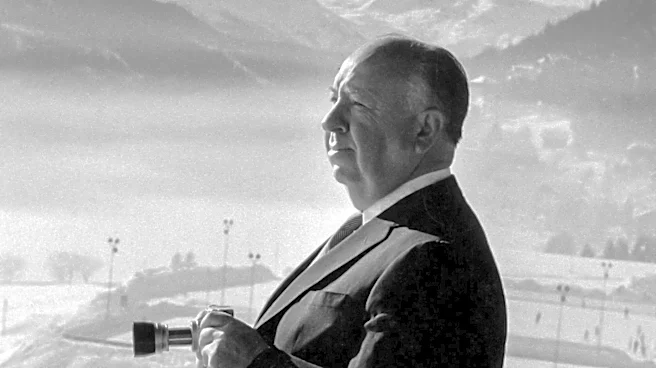
Alfred Hitchcock
was determined to create a film that would push the boundaries of the horror genre. He was inspired by Robert Bloch's novel, which was loosely based on the real-life crimes of Ed Gein. Hitchcock saw potential in the story's psychological depth and its capacity to shock audiences. However, he faced resistance from Paramount Pictures, which was hesitant to finance the film due to its controversial content and low budget.
To overcome these challenges, Hitchcock decided to finance the film himself, using his own production company, Shamley Productions. He also opted to shoot the film in black and white to keep costs down and to enhance the film's eerie atmosphere. Hitchcock's decision to use the crew from his television series, 'Alfred Hitchcock Presents,' further helped in managing the budget while maintaining a high level of craftsmanship.
Innovative Filming Techniques
Hitchcock's approach to filming 'Psycho' was both innovative and meticulous. He employed a variety of techniques to create suspense and engage the audience. One of the most notable aspects of the film is its use of rapid cuts and close-ups, particularly in the infamous shower scene. This sequence, which took a week to film, is a masterclass in editing and sound design, using quick cuts and Bernard Herrmann's screeching score to create a sense of terror.
The director also made strategic choices in casting and character development. By casting Anthony Perkins as Norman Bates, Hitchcock introduced a character who was both charming and unsettling, adding layers to the film's psychological complexity. Janet Leigh's role as Marion Crane was equally pivotal, with her unexpected early demise subverting audience expectations and heightening the film's tension.
Legacy and Impact
'Psycho' was released to mixed reviews but quickly gained a reputation as a classic of the horror genre. Its success can be attributed to Hitchcock's visionary direction and his ability to manipulate audience emotions. The film's influence is evident in its numerous sequels and remakes, as well as its impact on the horror genre as a whole.
Hitchcock's 'Psycho' remains a testament to the power of innovative filmmaking. By overcoming financial and creative challenges, Hitchcock crafted a film that continues to captivate and terrify audiences, solidifying his legacy as the master of suspense.