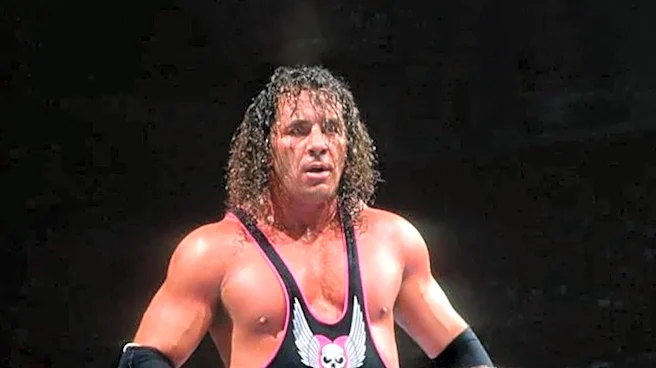



Bret Hart's time as WWF Champion from 1992 to 1996 was a significant period in his career, marked by numerous title defenses and evolving rivalries. This era also saw the World Wrestling Federation (WWF) grappling with external pressures and internal shifts, which indirectly influenced the landscape in which Hart operated as a top champion. His reign was characterized by a series of high-profile matches against a diverse roster of competitors, solidifying
his status as a leading figure in professional wrestling.
Key Title Defenses and Rivalries
During his championship tenure, Hart faced a variety of challengers. A notable rematch from SummerSlam 1992 saw him successfully defend his title against Davey Boy Smith, who was then portraying a heel character, at In Your House 5: Seasons Beatings. This victory underscored Hart's ability to overcome familiar opponents and maintain his championship status.
His rivalry with The Undertaker also featured prominently. Hart lost to The Undertaker by disqualification at the 1996 Royal Rumble due to interference from Diesel. Diesel's involvement continued in a rematch on the February 5 episode of Raw, where Hart again defeated The Undertaker by disqualification. Hart further retained his title against Diesel in a steel cage match at In Your House 6, demonstrating his resilience in various match stipulations. He also defeated Hunter Hearst Helmsley, who had been undefeated on Raw, on the March 4 episode of the show, showcasing his dominance over emerging talent.
The Montreal Screwjob and its Precursors
One of the most controversial moments associated with Hart's championship era, though occurring slightly after the 1992-1996 period, was the "Montreal Screwjob." This incident involved Hart's refusal to lose the title to Shawn Michaels in Montreal. Hart maintained that he was prepared to lose the title anywhere and to anyone, except to Michaels in Canada. This stance was rooted in his "Hitman" character being established as a Canadian hero during 1997, making a loss to Michaels in his home country particularly contentious. The situation was further complicated by Hart's impending departure to WCW, with his contract not expiring for several more weeks, suggesting other opportunities for a title change.
Michaels had previously lost cleanly to Hart multiple times, including in the WWF's first-ever ladder match in July 1992 and in the main event of the 1992 Survivor Series. Michaels also lost to Hart in a steel cage match in December 1993. These past encounters highlight the deep-seated rivalry between the two, which ultimately culminated in the controversial events in Montreal.
WWF's Challenges and the "New Generation"
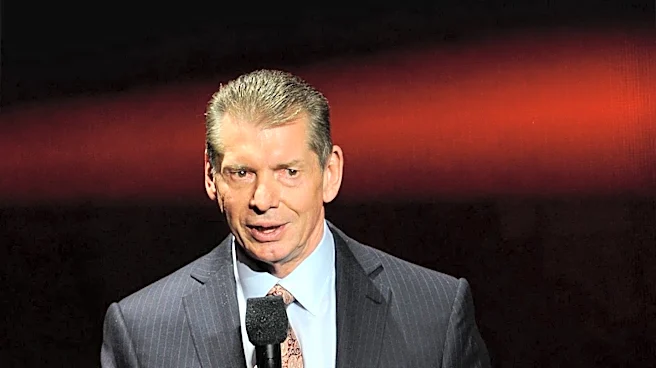
Beyond the in-ring action, the WWF faced significant challenges during this period. In 1992, the company was hit with allegations of steroid abuse and distribution, followed by allegations of sexual harassment by WWF employees the following year. Although Vince McMahon was eventually exonerated, these allegations resulted in negative public relations and a damaged reputation for the WWF. The steroid trial alone cost the company an estimated $5 million at a time when revenues were at a record low.
These issues contributed to many WWF wrestlers moving to rival promotion World Championship Wrestling (WCW), including prominent figures like Hulk Hogan. In response, the WWF focused on promoting a "New Generation" of wrestlers, featuring talents such as Bret Hart, Shawn Michaels, Diesel, Razor Ramon, and The Undertaker, in an effort to bring new stars into the spotlight and rebuild its image amidst a challenging landscape.