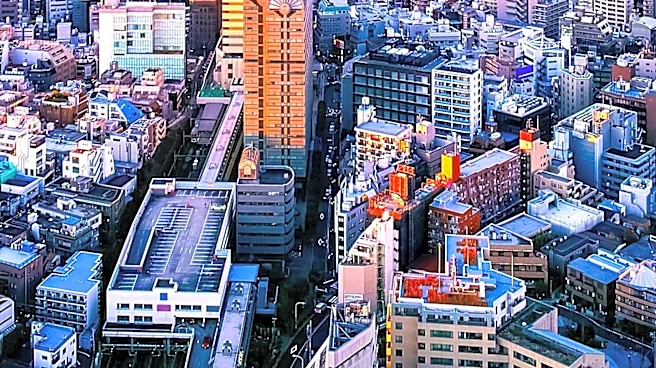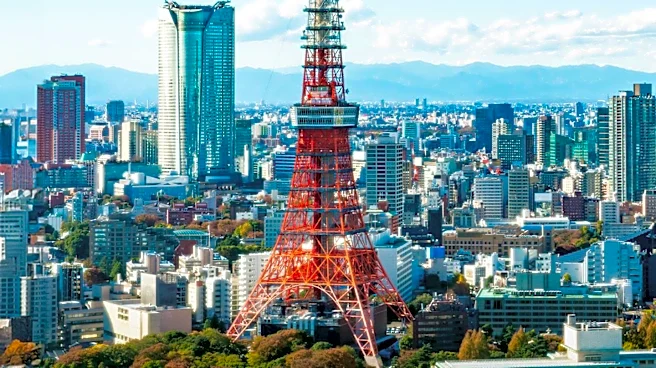








Tokyo, Japan's bustling capital, has undergone significant administrative transformations over the years. From its origins as Edo to its current status as a metropolis, Tokyo's governance has evolved to meet the needs of its growing population and expanding influence. This article delves into the historical changes in Tokyo's administrative structure, highlighting key developments from the late 19th century to the mid-20th century.
The Birth of Tokyo City
In 1868, the city
of Edo was renamed Tokyo, marking the beginning of its journey as Japan's capital. Initially, Tokyo Prefecture was limited to the former Edo city, but it quickly expanded to encompass a larger area. By 1889, Tokyo City was officially established as a municipality within Tokyo Prefecture. This period saw the creation of 15 wards and six counties, laying the groundwork for Tokyo's future administrative divisions.
The Meiji government's reorganization of local governments played a crucial role in shaping Tokyo's early administrative structure. Influenced by Prussian models, the government introduced a system of cities that granted some local autonomy. However, Tokyo City, along with Kyoto and Osaka, was subject to special regulations, with the governor of Tokyo Prefecture also serving as the city's mayor.
Expansion and Reorganization
Tokyo's administrative landscape continued to evolve in the early 20th century. In 1932, the city expanded significantly by absorbing several outlying districts, increasing its population to 4.9 million and becoming the second-largest city in the world. This expansion resulted in the creation of 35 wards, reflecting Tokyo's growing importance as a global metropolis.
The reorganization of Tokyo's governance reached a pivotal moment in 1943 when Tokyo City and Tokyo Prefecture were merged to form the Tokyo Metropolis. This change aimed to create a more centralized and efficient administrative structure, integrating city and prefectural functions under the Tokyo Metropolitan Government. The governor of Tokyo became a Cabinet minister, reporting directly to the Prime Minister, further centralizing control.
The Modern Tokyo Metropolis
The post-war period brought further changes to Tokyo's administrative structure. In 1947, the current system of the Tokyo Metropolitan Government was established, separating city and prefectural functions once again. This structure remains in place today, with the Tokyo Metropolitan Government overseeing the special wards, cities, towns, and villages within the metropolis.
Tokyo's administrative evolution reflects its dynamic growth and adaptation to changing circumstances. From its early days as Edo to its current status as a global metropolis, Tokyo's governance has continually evolved to meet the needs of its residents and maintain its position as a leading city on the world stage. The historical changes in Tokyo's administrative structure highlight the city's resilience and ability to adapt to the challenges of urbanization and modernization.