






Mountains are not only awe-inspiring natural wonders but also vital resources for human activities. They provide essential materials and opportunities for recreation, making them important economic and cultural assets. This article examines how mountains serve as sources of natural resources and as popular destinations for outdoor recreation, highlighting their significance in human society.
Resource Extraction in Mountain Regions
Mountains are rich in natural resources, making them valuable
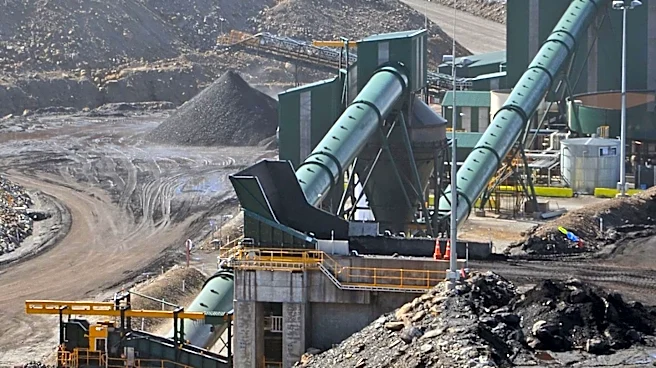
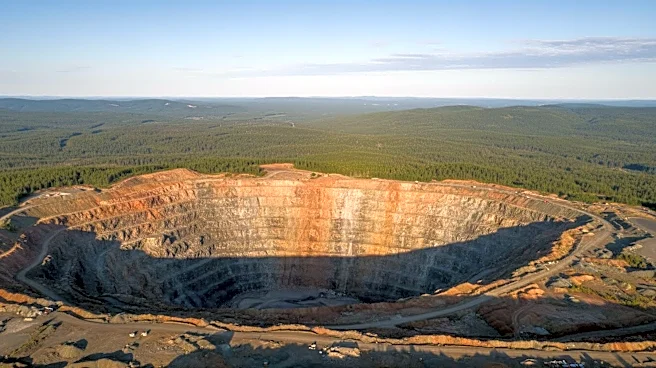
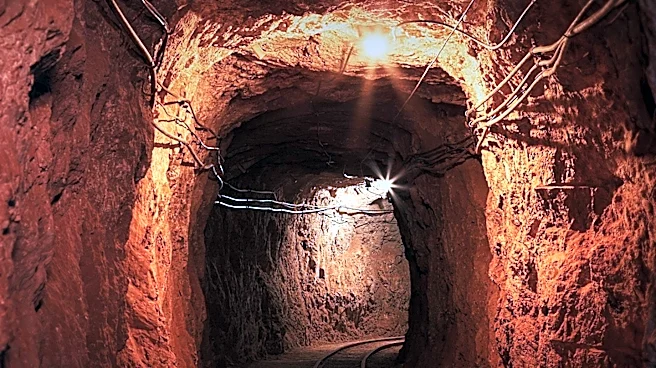
for various industries. The steep terrain and geological processes that form mountains often result in the concentration of minerals and other resources. Mining is a common activity in mountainous areas, where valuable minerals such as gold, silver, and copper can be extracted.
In addition to minerals, mountains are also sources of timber and other forest products. Logging is a significant industry in many mountain regions, where vast forests provide wood for construction and other uses. However, resource extraction must be managed carefully to prevent environmental degradation and ensure the sustainability of these vital ecosystems.
Mountains as Recreation Destinations
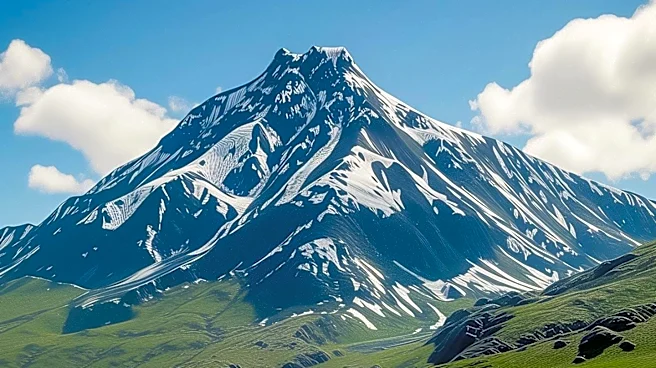
Beyond their economic value, mountains are cherished for their recreational opportunities. The rugged terrain and stunning landscapes make them ideal for a variety of outdoor activities. Mountain climbing, hiking, and skiing are popular pursuits that draw enthusiasts from around the world.
Mountain climbing, in particular, is a challenging and rewarding activity that attracts adventurers seeking to conquer the highest peaks. Skiing and snowboarding are also major attractions in mountainous regions, with many areas developing into world-renowned ski resorts. These recreational activities not only provide enjoyment but also contribute significantly to local economies through tourism.
Balancing Use and Conservation
While mountains offer numerous benefits, it is crucial to balance their use with conservation efforts. The unique ecosystems found in mountain regions are often fragile and can be easily disrupted by human activities. Sustainable practices are essential to preserve the natural beauty and ecological integrity of these areas.
Efforts to promote sustainable tourism and responsible resource extraction are vital to ensuring that mountains continue to provide benefits for future generations. By valuing both the economic and ecological importance of mountains, society can enjoy their resources and recreational opportunities while safeguarding their natural heritage.
In conclusion, mountains play a multifaceted role in human society, serving as sources of natural resources and as hubs for recreation. Their significance extends beyond their physical presence, influencing economies, cultures, and lifestyles around the world.