







The operetta "The Red Mill," with music by Victor Herbert and a libretto by Henry Blossom, made its Broadway debut on September 24, 1906. This production, which ran for an impressive 274 performances at the Knickerbocker Theatre, quickly established itself as a significant theatrical event. Starring comedians Fred Stone and David C. Montgomery, the show's success on Broadway was just the beginning of its journey, leading to extensive tours, a London
run, and even a notable film adaptation, cementing its place in American theatrical history.
Innovative Marketing and Broadway Debut
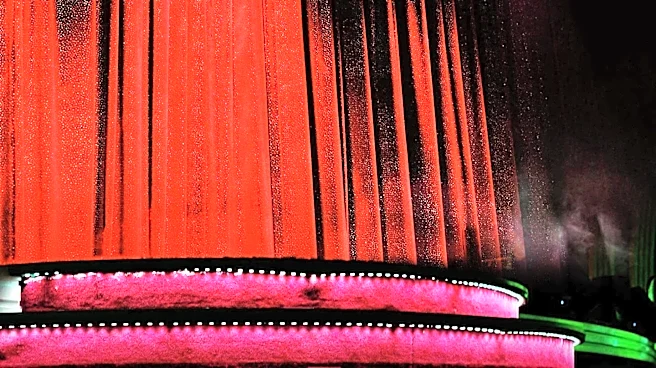
Before its grand opening on Broadway, "The Red Mill" underwent tryouts in various upstate New York cities and Montreal, Canada, a common practice for refining theatrical productions. For the original 1906 Broadway production, producer Charles Dillingham employed a groundbreaking marketing strategy that made theatrical history. He installed a revolving red windmill, powered and illuminated by electricity, in front of the Knickerbocker Theatre. This innovative display was recognized as Broadway's first moving illuminated sign, drawing significant attention to the show and setting a new precedent for theatrical advertising. The production's initial run concluded on June 29, 1907, after which it embarked on a tour, bringing the operetta to wider audiences.
The Enduring Appeal of the Story and Music
"The Red Mill" tells a farcical story set in the Netherlands, revolving around two American vaudevillians, Con and Kid, who find themselves stranded and penniless at an inn. Their antics lead to chaos, interfering with two marriages, though ultimately, all conflicts are resolved happily. The operetta features several well-known songs that contributed to its lasting popularity, including "Every Day is Lady's Day with Me," "The Streets of New York," "You Never Can Tell About a Woman," and "Because You're You." These musical numbers, combined with the comedic plot, resonated with audiences and helped the show achieve its long-running success.
From Stage to Screen: The 1927 Film Adaptation
The popularity of "The Red Mill" extended beyond the stage, leading to a silent movie adaptation in 1927. This film, also titled "The Red Mill," starred Marion Davies and was directed by Roscoe "Fatty" Arbuckle, who used the pseudonym William Goodrich. Produced by Cosmopolitan Productions and distributed by Metro-Goldwyn-Mayer, the movie retained elements from the operetta, such as the situation involving Gretchen and the Captain, though it was relegated to a subplot. A new character, played by Davies, was invented specifically for the film, indicating a creative reinterpretation of the source material for the cinematic medium. The film's budget was $539,000, and it ran for 70 minutes, further demonstrating the enduring appeal and adaptability of "The Red Mill" story across different entertainment formats.