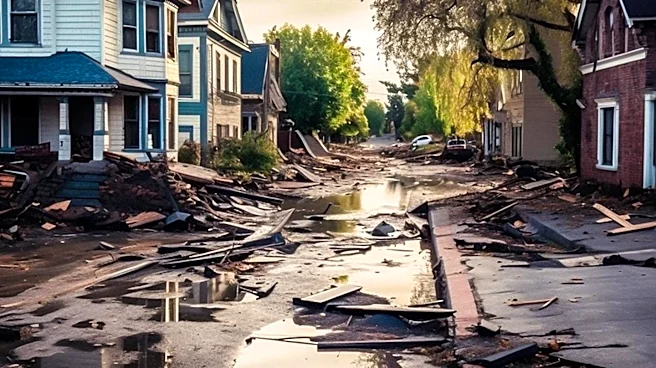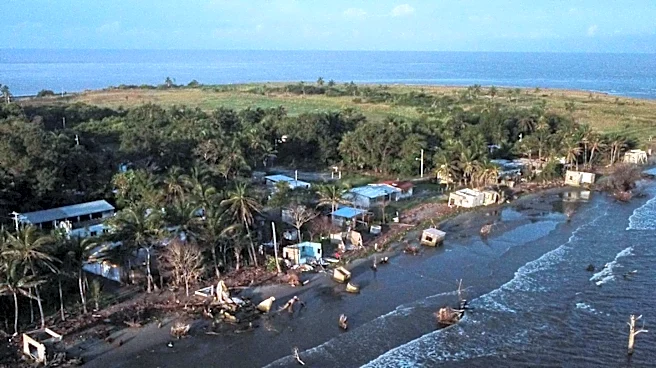






The fishing community of Cheniere Caminada, Louisiana, once a vibrant, geographically isolated village, was tragically erased from the map by the powerful 1893 hurricane. This event, also known as the Great October Storm, delivered a devastating blow that left only four homes standing and claimed the lives of over half its population. The story of Cheniere Caminada serves as a poignant example of the extreme vulnerability of coastal communities to severe
weather events, particularly in an era before advanced warning systems.
A Thriving, Diverse Village
By 1893, Cheniere Caminada was a multi-ethnic fishing village with an estimated population of 1,500 to 1,600 inhabitants. This community was a melting pot of cultures, including Creoles from New Orleans, Acadians from Lafourche Parish, Italian immigrants, displaced Germans and Prussians, non-Acadian French, and people of Spanish descent. The predominant religion was Catholic, with missionary priests like Fr. Gaston d’Espinosa and his successor, Fr. Ferdinand Grimeau, serving the Notre Dame du Lourdes church.
Economically, Cheniere Caminada played a crucial role in supplying seafood, especially oysters, shrimp, and crabs, to restaurants in New Orleans. Beyond seafood, the island also contributed sugar cane and oranges to the market. Its location, west of Grand Isle and approximately 55 miles from New Orleans by boat, made it a significant, albeit isolated, hub for these industries. The community's reliance on the sea for its livelihood also placed it directly in the path of potential hurricane devastation.
The Storm's Fury and Immediate Aftermath
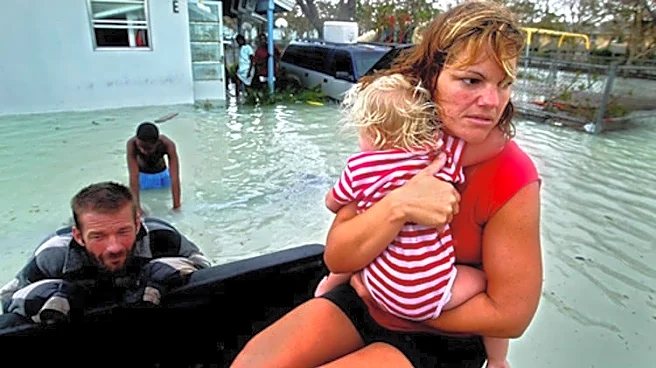
When the 1893 hurricane struck, Cheniere Caminada bore the brunt of its force. The storm surge rapidly submerged the village under 6 feet of water, cresting to a depth of around 8 feet within minutes. This sudden inundation, combined with intense winds, led to widespread destruction. Over half of the community's residents perished, either swept away by the powerful seawater torrents or crushed by their collapsing homes. The Thibodaux Sentinel starkly reported that Cheniere Caminada had been "swept out of existence."
The scene after the storm was horrific. Mutilated corpses were discovered in lagoons, hanging in trees, and scattered among the debris. Of the 450 homes in Cheniere Caminada, only four remained intact. Sixty-two people found survival by sheltering under the remaining roof of one of these mostly destroyed houses, while many others survived by clinging to floating debris. The New York Times drew a parallel between Cheniere Caminada's fate and that of Last Island, which was destroyed by a hurricane in 1856, noting that the 1893 disaster surpassed the earlier event in severity.
Long-Term Impact and Legacy
The devastation was so complete that the community of Cheniere Caminada, as it existed, ceased to be. Some survivors, facing an obliterated homeland, retreated to what is now Golden Meadow, while others migrated further inland. Although some residents initially attempted to rebuild, subsequent hurricanes continued to take their toll, ensuring that very little remains of the once-thriving village today. The graveyard itself was decimated, leaving little evidence of the lives lost. The story of Cheniere Caminada serves as a powerful historical account of a community's struggle against the overwhelming forces of nature and the profound, lasting impact of a single catastrophic event.