









Illinois, a state in the Midwest region of the United States, is known for its diverse population and significant demographic shifts. As of the 2020 census, Illinois was home to over 12.8 million people, making it the sixth-largest state by population. This article delves into the demographic composition of Illinois, highlighting its racial and ethnic diversity, as well as recent population trends.
Population Trends
According to the 2020 United States census, Illinois
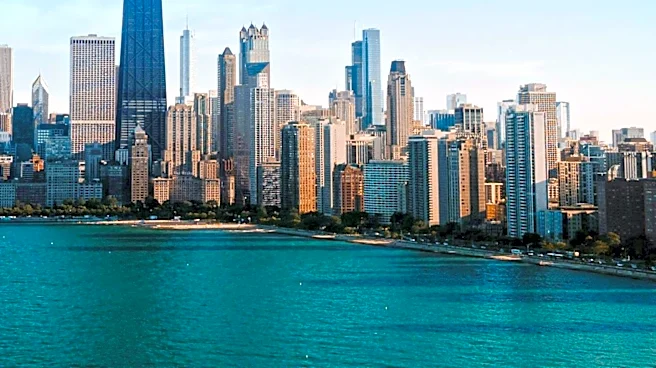
experienced a slight population decline from the 2010 census, losing just over 18,000 residents. Despite this decline, Illinois remains the most populous state in the Midwest. The Chicago metropolitan area, often referred to as Chicagoland, is a major population center, housing 65% of the state's residents. The city of Chicago alone accounts for 21.4% of the state's population.
The population decline in Illinois is primarily attributed to the Downstate counties, as the Chicago metro area has not experienced the same level of population loss. The state's geographic mean center of population is located in Grundy County, reflecting the concentration of residents in the northern part of the state.
Racial and Ethnic Diversity
Illinois is the most racially and ethnically diverse state in the Midwest. The state is home to a significant Hispanic population, which is the largest minority group, making up nearly a fifth of the population. The majority of Hispanics in Illinois are of Mexican descent, with a substantial number of Puerto Ricans and other Central and South American communities also present.
The state's European-American population is predominantly of German, Irish, Polish, and Italian descent, with these groups mainly concentrated in the Chicago area. Illinois also has a notable Arab-American community, particularly in the southern suburbs of Chicago. The state's Native American and Pacific Islander populations, while smaller, contribute to the overall diversity.
Economic and Social Implications
The diverse demographic landscape of Illinois has significant economic and social implications. The Hispanic population, for instance, is the second fastest-growing demographic in the state, which could influence future economic and political trends. Despite having the lowest per-capita income among major ethnic groups, the Hispanic community's growth presents opportunities for economic development and cultural enrichment.
The European-American population, while still a majority, is aging, with a median age of 44.2 years. This aging demographic could impact the state's workforce and healthcare systems. Meanwhile, the Arab-American community, with its concentration in specific areas, adds to the cultural tapestry of Illinois, contributing to the state's reputation as a microcosm of the larger United States.
In conclusion, Illinois' demographic landscape is a complex and dynamic tapestry that reflects broader national trends. Understanding these demographic shifts is crucial for policymakers, businesses, and communities as they navigate the challenges and opportunities of a diverse and changing population.