





The shoulder shrug, often simply called the shrug, is a fundamental exercise in weight training designed to specifically target and develop the upper trapezius muscle. This exercise is a staple for individuals looking to enhance the strength and definition of their neck and shoulder region. Beyond aesthetics, proper execution of the shoulder shrug can contribute significantly to overall upper body health, particularly in alleviating common issues
like neck pain. Understanding the precise form and the muscles involved is key to maximizing its effectiveness and ensuring safety during workouts.
The Mechanics of a Perfect Shrug
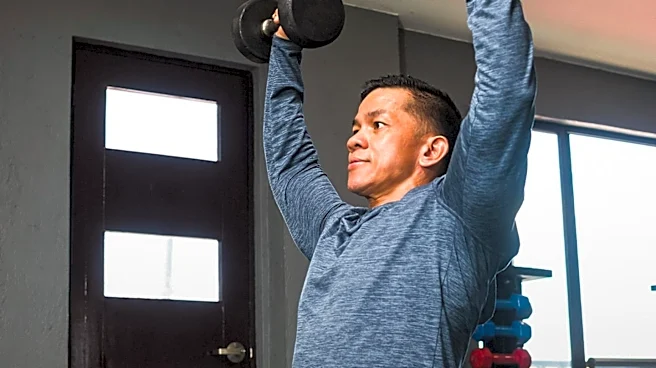
Executing a shoulder shrug correctly is crucial for isolating the intended muscles and preventing injury. The exercise begins with the lifter standing erect, maintaining a straight posture. The hands should be positioned approximately shoulder-width apart, typically holding weights such as dumbbells or a barbell. From this starting position, the primary movement involves slowly raising the shoulders as high as possible towards the ears. This elevation should be a controlled motion, focusing on the contraction of the upper trapezius.
As the shoulders reach their peak elevation, it is important to hold this position briefly before slowly lowering them back to the starting point. Throughout the entire movement, two critical elements of form must be maintained: the elbows should remain unbent, and the body should not move or sway. The goal is to isolate the shoulder elevation, ensuring that other muscle groups do not assist in the lift. Good form is often indicated when the slope of the shoulders appears horizontal in the fully elevated position, signifying a complete and effective contraction of the target muscle.
Targeting the Trapezius: The Core Muscle
The primary muscle activated and developed during shoulder shrugs is the trapezius. This large, flat, triangular muscle extends across the back of the neck and shoulders, playing a vital role in moving and stabilizing the scapula (shoulder blade) and supporting the arm. Specifically, the shoulder shrug targets the upper fibers of the trapezius, which are responsible for elevating the shoulders.
Developing the trapezius through exercises like the shrug contributes to a stronger and more resilient upper back and neck. The upper portion of the trapezius can also be developed through other exercises that involve elevating the shoulders, such as various forms of the clean, particularly the hang clean, and neck extension exercises. By focusing on the trapezius, individuals can build a foundation for better posture and reduced strain in the neck and shoulder area.
Beyond Strength: The Pain-Reducing Benefits
While often associated with muscle building and definition, shoulder shrug exercises offer significant functional benefits, particularly in the realm of pain reduction. Strengthening the neck and shoulder muscles through consistent and proper shrug execution can directly contribute to alleviating neck pain. This is because stronger muscles are better equipped to support the head and neck, reducing the strain on ligaments and joints that can lead to discomfort.
Regularly incorporating shoulder shrugs into a weight training routine can therefore serve as a preventative measure against neck and shoulder stiffness and pain. The exercise helps to improve the endurance and strength of the muscles that stabilize the cervical spine and shoulder girdle. This enhanced muscular support can lead to improved posture and a reduction in the chronic tension that many individuals experience in their upper back and neck, making the shoulder shrug a valuable exercise for both performance and well-being.