
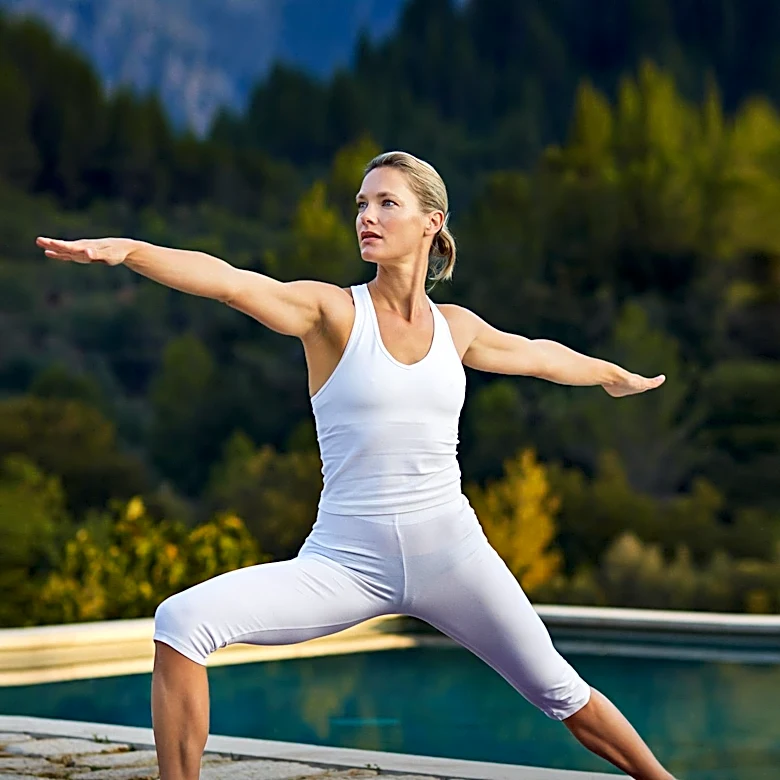

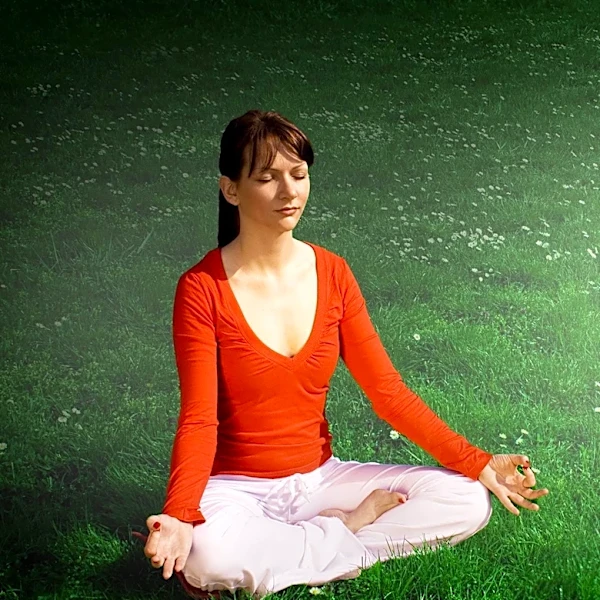

Modern yoga has become a widespread cultural phenomenon in the Western world, particularly gaining significant traction in the late 20th century. Its journey from an ancient Indian spiritual discipline to a globally recognized practice involves a fascinating interplay of cultural exchange, adaptation, and the efforts of key individuals who introduced and popularized its various forms to Western audiences. This popularization has transformed yoga into
a diverse set of practices, appealing to a broad spectrum of people seeking physical, mental, and spiritual well-being.
Early Adaptations for a Western Audience
The groundwork for modern yoga's Western appeal was laid in the late 19th century. Elizabeth De Michelis, in her seminal work "A History of Modern Yoga," highlights Vivekananda's 1896 book "Raja Yoga" as a crucial adaptation of yoga for a Western audience. Vivekananda's reinterpretation helped bridge the gap between traditional Indian yoga and Western sensibilities, making it more accessible and understandable. This early effort was instrumental in introducing yoga beyond its traditional Indian context.Before this period, Hatha yoga was often viewed as a practice of a small, sometimes marginalized, group in India. However, the early 20th century saw a mix of influences, including 19th-century esoteric systems from both East and West, and ideas like New Thought and mesmerism, which contributed to shaping yoga into a form that resonated with Western interests. This blend of traditional elements with contemporary thought helped to create a foundation for its eventual widespread acceptance.
Key Figures in Western Expansion
Several influential figures played pivotal roles in bringing modern yoga to the forefront in the West. Tirumalai Krishnamacharya, often referred to as the father of modern yoga, taught students who would become instrumental in its global spread. Among them were B. K. S. Iyengar and Indra Devi. Iyengar, through his precise and detailed approach to asanas, and his 1966 book "Light on Yoga," significantly contributed to making yoga a global practice. He established Iyengar Yoga institutes, particularly in Britain and America, solidifying its presence.Indra Devi, another student of Krishnamacharya, was crucial in popularizing yoga in America, especially through her connections with celebrity pupils in Hollywood. Her efforts helped to make yoga fashionable and desirable among a wider audience, contributing to its mainstream appeal. These individuals, through their teaching, writing, and public presence, were central to the process of modern yoga becoming a recognized and practiced discipline across Western countries.
Contemporary Appeal and Cultural Integration
Today, modern yoga is deeply integrated into Western culture, often viewed through various "cultural prisms" such as New Age religion, psychology, sports science, medicine, photography, and fashion. It is frequently promoted as a tool for self-development, offering benefits like increased beauty, strength, and flexibility, as well as stress reduction. This broad appeal reflects its successful adaptation to contemporary Western values and lifestyles.While modern postural yoga, with its emphasis on physical fitness, might seem distinct from traditional forms, it often retains underlying spiritual and ethical values. The continuous process of innovation and adaptation, drawing from both its Indian heritage and influences from non-Indic cultures, has allowed modern yoga to flourish in the West, becoming a dynamic and ever-evolving practice that continues to attract new practitioners.