








Havana, the capital and largest city of Cuba, has played a pivotal role in the history of the Americas. Founded in 1515, Havana quickly became a strategic port for the Spanish Empire, serving as a gateway to the New World. This article explores Havana's historical significance, focusing on its role in the Spanish conquest and its enduring legacy as a cultural and economic hub.
Strategic Importance
Havana's location made it an ideal port for Spanish ships traveling between
the Old World and the New World. The city's natural harbor provided a safe haven for treasure-laden galleons, making it a crucial stopover for ships carrying goods and wealth from the Americas to Spain. The coat of arms of Havana, featuring three castles and a key, symbolizes its role as the gateway to the New World and its strategic importance in defending the city.
The castles represented in the coat of arms—Fuerza Castle, Morro Castle, and Punta Castle—were built to protect Havana from pirate attacks and foreign invasions. These fortifications are among the oldest standing stone structures in the Americas, reflecting the city's historical significance and its role in the Spanish colonial defense system.
Cultural and Economic Hub
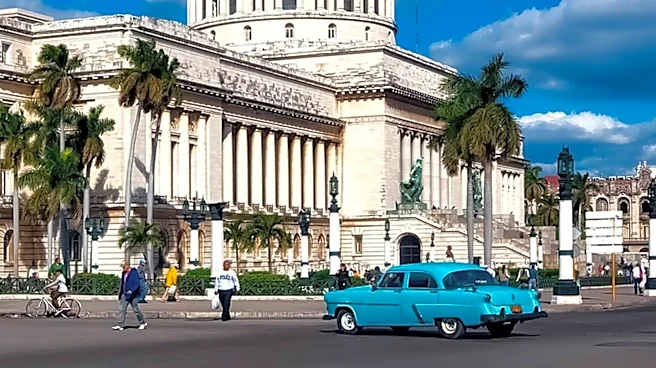
As a key port in the Spanish Empire, Havana became a melting pot of cultures and a center for trade and commerce. The influx of goods and people from various parts of the world contributed to the city's cultural diversity and economic prosperity. Havana's architecture, influenced by Spanish, French, and other European styles, reflects this rich cultural heritage.
The city's economic growth was further fueled by the sugar and coffee industries, which became essential to Havana's development. Wealthy Habaneros invested in grand architectural projects, drawing inspiration from European styles and creating a unique urban landscape. This period of prosperity laid the foundation for Havana's cultural and economic significance in the region.
Legacy and Preservation
Havana's historical legacy as a gateway to the New World continues to shape its identity today. The city's architecture, cultural diversity, and strategic location remain integral to its character. Efforts to preserve Havana's historical buildings and fortifications are ongoing, as the city seeks to maintain its heritage while adapting to modern challenges.
Despite facing issues of deterioration and neglect, Havana's historical significance endures. The city's role as a cultural and economic hub, coupled with its strategic importance in the Spanish conquest, ensures that Havana remains a vital part of the narrative of the Americas.