



Law enforcement in the United States is a complex system involving multiple levels of government and a variety of agencies. From federal to local levels, each agency has its own set of responsibilities and powers. This article explores the structure of law enforcement in the U.S., highlighting the roles of federal, state, and local agencies.
Federal Law Enforcement Agencies
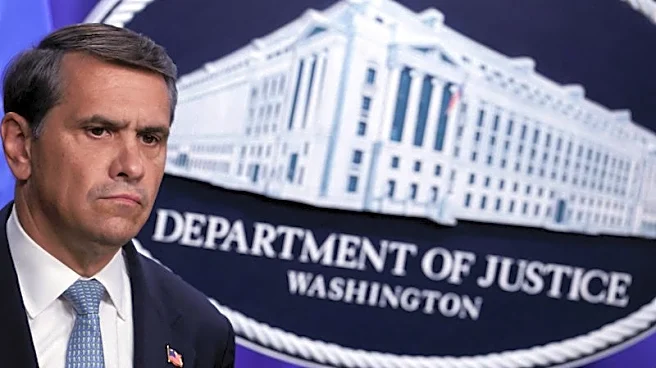
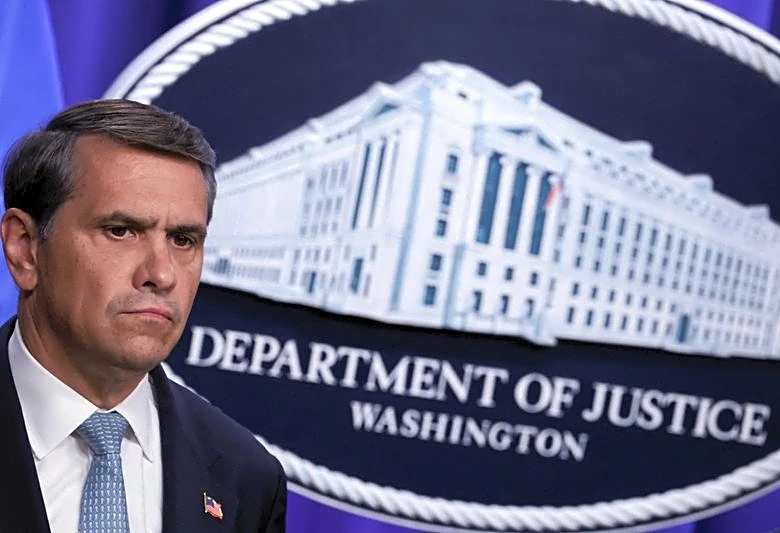
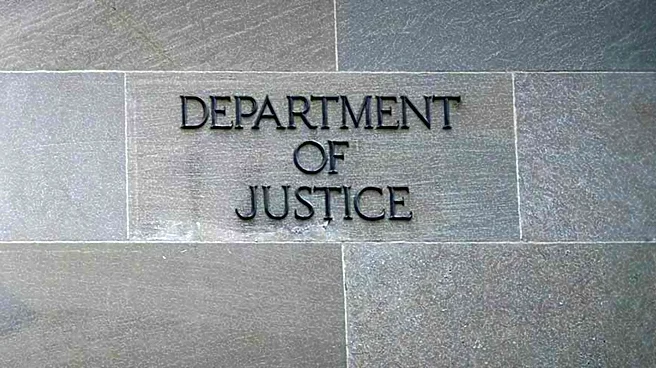
At the federal level, law enforcement is primarily overseen by the Department of Justice, which includes several
prominent agencies. The Federal Bureau of Investigation (FBI) is perhaps the most well-known, handling a wide range of criminal investigations and national security matters. Other key agencies include the Drug Enforcement Administration (DEA), which focuses on drug-related crimes, and the Bureau of Alcohol, Tobacco, Firearms and Explosives (ATF), which deals with crimes involving firearms and explosives.
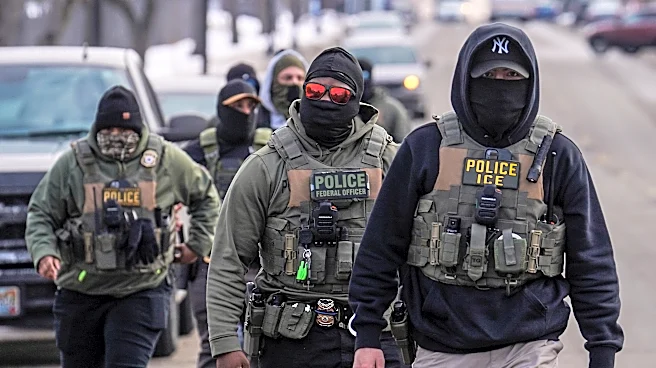
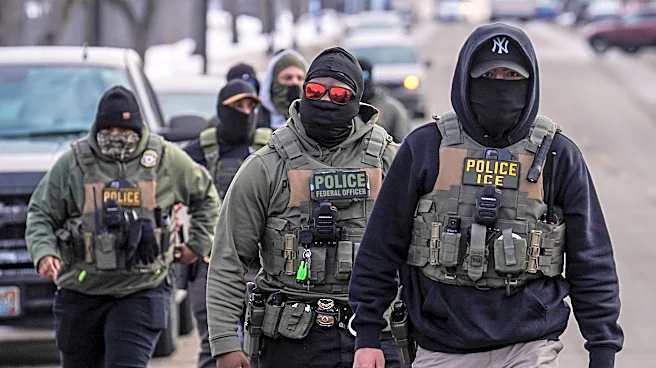
The Department of Homeland Security also plays a significant role in federal law enforcement, particularly in areas related to immigration and border security. Agencies like U.S. Customs and Border Protection (CBP) and Immigration and Customs Enforcement (ICE) are tasked with enforcing laws related to the entry and stay of individuals in the country.
State Law Enforcement Agencies
Each U.S. state has its own law enforcement agencies, which vary in structure and function. Typically, states have a primary law enforcement agency, often referred to as the state police or highway patrol. These agencies are responsible for enforcing state laws and providing assistance to local law enforcement when needed.
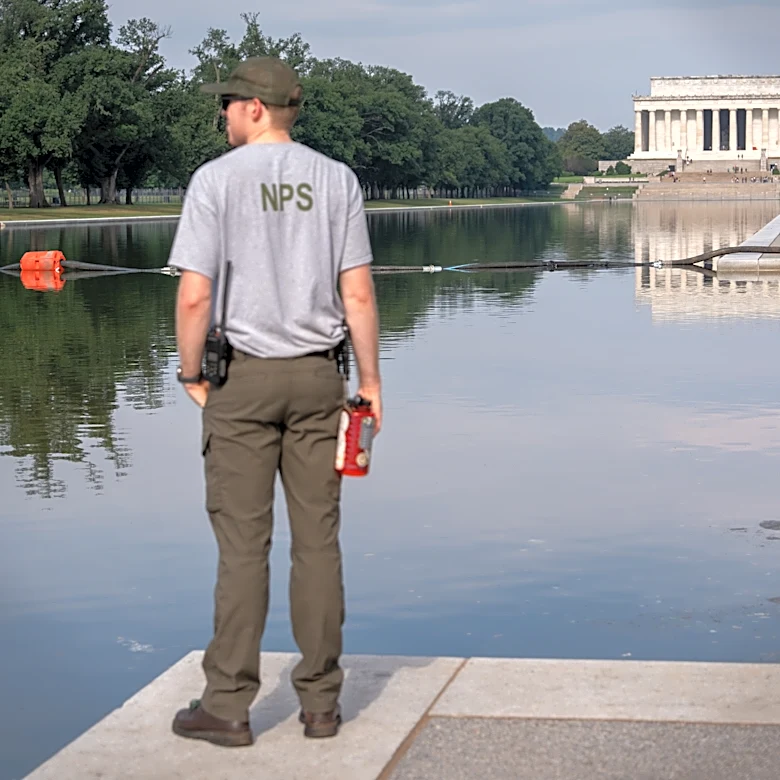
State law enforcement agencies also include special jurisdiction agencies, which have authority over specific areas or types of crime. For example, some states have wildlife enforcement agencies that focus on laws related to hunting and fishing. The powers and responsibilities of these agencies can differ significantly from one state to another, reflecting the diverse needs and priorities of each state.
Local Law Enforcement Agencies
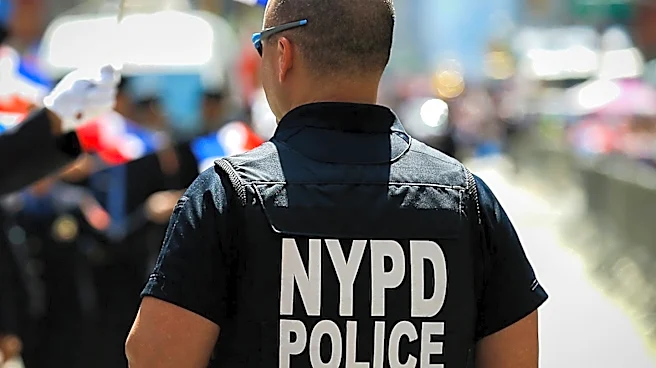
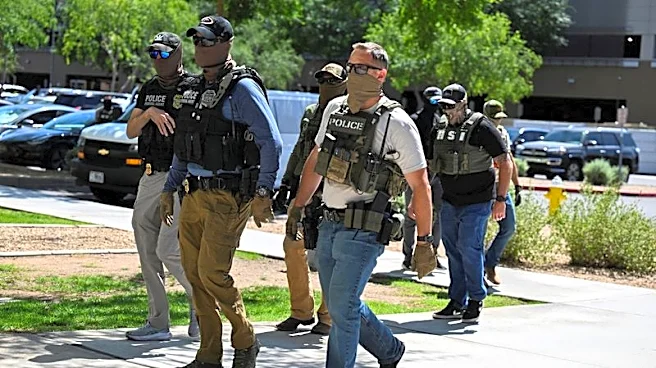
Local law enforcement is the most visible level of policing in the United States, with agencies operating at the city, county, and regional levels. City police departments are responsible for maintaining public order and safety within their municipalities. They handle a wide range of duties, from traffic enforcement to investigating serious crimes.
County sheriff's offices are another critical component of local law enforcement. Sheriffs are typically elected officials who oversee law enforcement in areas not covered by city police departments. They often manage county jails and provide security for local courts. In addition to these, there are special jurisdiction agencies that operate at the local level, such as transit police or campus police, which focus on specific areas or institutions.
Overall, the structure of law enforcement in the United States is characterized by a high degree of decentralization, with numerous agencies operating at different levels and with varying scopes of authority. This system allows for flexibility and specialization but also requires coordination and cooperation among the different agencies to effectively maintain law and order.