






"You Bet Your Life" stands as a unique landmark in American broadcasting history, seamlessly blending the competitive thrill of a quiz show with the spontaneous humor of a comedy program. Hosted by the legendary Groucho Marx, with George Fenneman serving as announcer and straight man, the show captivated audiences across both radio and television. Its innovative format, which prioritized engaging interviews and comedic improvisation over a strict
question-and-answer structure, set it apart from its contemporaries and cemented its place as a beloved classic. The program's enduring appeal lay in its ability to entertain through genuine human interaction and Groucho's quick wit, making it more than just a game show.
A Hybrid Format: Comedy First, Quiz Second
Conceived by radio producer John Guedel, "You Bet Your Life" was designed with a clear understanding of Groucho Marx's strengths. Guedel recognized that Marx's improvisational genius and ability to interact humorously with ordinary people were the show's greatest assets. Consequently, the quiz segment, while present, often took a backseat to the largely comedic interviews with contestants. This emphasis on personality and spontaneous banter was a radical departure from traditional quiz show formats, where the questions and answers were the undisputed main event.
Groucho's interviews were largely unscripted, allowing for genuine, often hilarious, exchanges. He insisted that each episode be filmed and edited before broadcast, a decision that proved crucial. This post-production process allowed for the removal of less interesting material and, importantly, any risqué comments that might have been deemed inappropriate for broadcast. This careful curation ensured that the final product was consistently entertaining and polished, highlighting the best of Groucho's interactions.
The "Secret Word" and Contestant Interaction
An iconic element of "You Bet Your Life" was the "secret word." If a contestant uttered this pre-selected word during their interview, they would win a bonus prize, adding an extra layer of anticipation and humor to the proceedings. This simple yet effective device became emblematic of the show, further emphasizing its playful and unconventional nature. The secret word often led to unexpected moments, as contestants, sometimes unknowingly, stumbled upon it, much to the delight of the audience.
Beyond the secret word, the show's core appeal rested on the dynamic between Groucho and the diverse array of contestants. These were not professional entertainers but everyday individuals, whose unique stories and reactions provided ample fodder for Groucho's comedic genius. The interviews were designed to draw out their personalities, often leading to unexpected revelations and humorous anecdotes. This focus on authentic human connection, rather than just intellectual prowess, made the show relatable and endlessly engaging for viewers.
From Radio to Television: A Seamless Transition
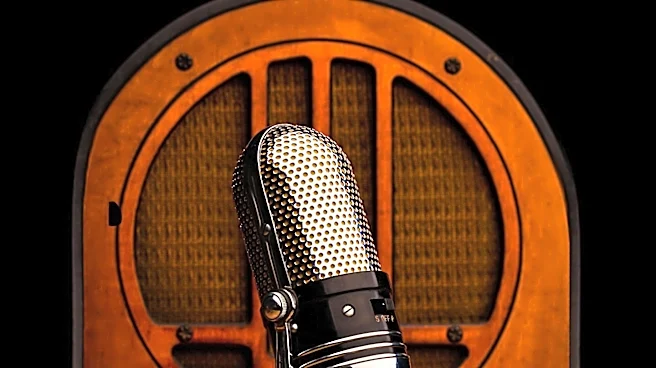
"You Bet Your Life" began its journey on radio in 1947, quickly gaining popularity. Its success paved the way for a television adaptation, which premiered on NBC in 1950. The show continued to air simultaneously on both radio and television for a period, demonstrating its broad appeal across different media. The transition to television was particularly significant, as it allowed audiences to visually experience Groucho's expressive delivery and the contestants' reactions, adding another dimension to the humor.
The show's production methods were also forward-thinking for its time. An episode filmed on December 28, 1949, served as a visual test for its television broadcast. This particular episode is cited as the first television program filmed before a live audience, a technique often mistakenly attributed to "I Love Lucy," which debuted a year later. Filming allowed for greater control during post-production editing and enabled the show to be produced in Hollywood before coaxial cables made live coast-to-coast broadcasts feasible. This innovative approach to production contributed to the show's high quality and its lasting impact on the nascent television industry.