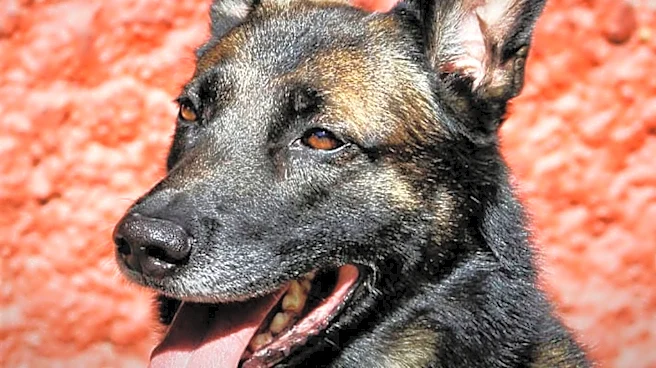






Schutzhund, a German term meaning "protection dog," is a rigorous dog sport that evaluates a dog's tracking, obedience, and protection skills. Known competitively today as IGP and formerly as IPO, this sport is designed to assess whether a dog possesses the essential traits and characteristics of a good working dog. It delves deep into a dog's temperament, physical capabilities, and trainability, making it a comprehensive examination of a canine's
overall working potential. The sport originated with the German Shepherd Dog, aiming to preserve and enhance the breed's working abilities.
The Historical Roots and Purpose of Schutzhund
Schutzhund was developed around 1900 as a crucial test of working ability for German Shepherds. At that time, there was a concern that these dogs, originally bred from working herding dogs, were losing their inherent working capabilities. To counteract this, Schutzhund was established, and in Germany, only German Shepherds that had successfully passed a Schutzhund test or a herding test were permitted to breed and have their progeny registered as German Shepherd Dogs. This strict requirement continues to this day, ensuring that the strong working characteristics of the breed are maintained through each generation.
The purpose of Schutzhund extends beyond mere competition; it aims to identify dogs with specific character traits vital for demanding jobs such as police work, specific odor detection, and search and rescue. These traits include a strong desire to work, courage, intelligence, trainability, a strong bond with the handler, perseverance, protective instinct, and an excellent sense of smell. The sport also evaluates physical attributes like strength, endurance, agility, and scenting ability. By illuminating a dog's character and ability through training, Schutzhund provides breeders with valuable insights for selecting dogs for future generations of working canines.
The Three Phases of Modern Schutzhund Trials
Modern Schutzhund trials consist of three distinct phases: tracking, obedience, and protection. To earn a title, a dog must pass all three phases in a single trial. Dogs must also have passed the prior level before competing, and can only acquire one title per event. Each phase is judged on a point scale, with a minimum score required for a title. Judges have the authority to dismiss a dog at any point for displaying poor temperament, fear, aggression, or failing specific tests within a phase. Before competing for the IGP1 title, a dog must pass a temperament test called a BH-VT, which assesses basic obedience and confidence in various environments, including around strange people, dogs, traffic, and loud noises.
### Tracking Phase
The tracking phase tests a dog's scenting ability, mental soundness, and physical endurance. A "track layer" walks across a field, dropping small articles along the way. After a set period, the dog is directed to follow this scent trail, guided by its handler on a 10-meter leash. The dog is expected to indicate each article it finds, typically by lying down with the item between its front paws. Scoring is based on how intently and carefully the dog follows the track and indicates the articles. The complexity of the track, including its length, number of articles, and age, varies depending on the title level being pursued.
### Obedience Phase
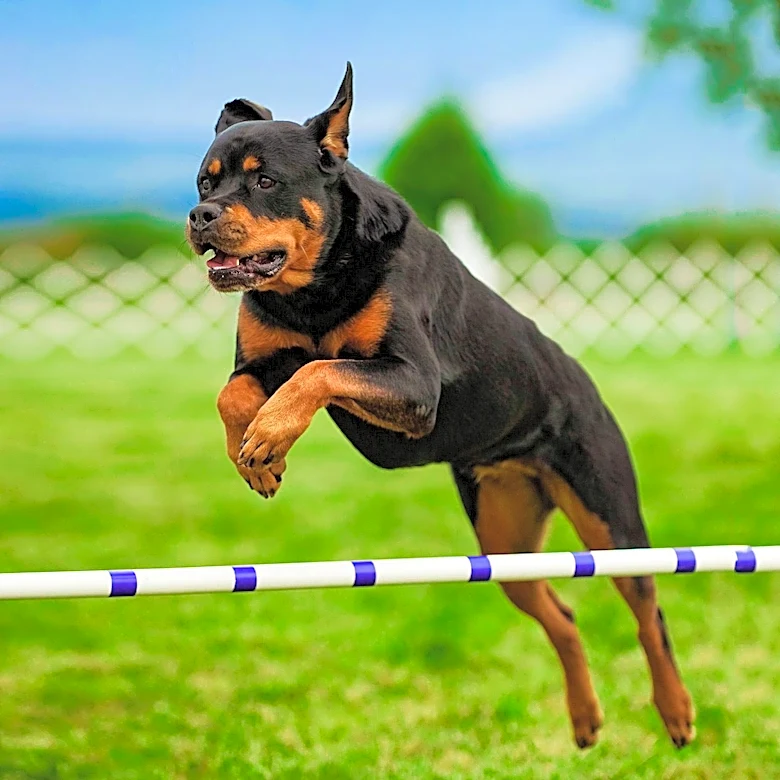
The obedience phase takes place in a large field, with two dogs present at a time. One dog is placed in a down position while its handler leaves it, and the other dog performs its routine. They then switch places. This phase includes several heeling exercises, such as heeling through a group of people, and incorporates two or three gunshots to test the dog's reaction to loud noises. Other elements include one or two recalls, three retrieves (flat, jump, and A-frame), and a "send out," where the dog runs straight and fast away from the handler and lies down on command. Obedience is judged on the dog's accuracy and attitude, with enthusiasm being a key factor; an uninterested or cowering dog scores poorly.
### Protection Phase
The protection phase involves a judge's assistant, known as a "helper," who wears a heavily padded sleeve. The helper hides in one of several "blinds" on the field, and the dog is directed to search all blinds. Upon finding the helper, the dog indicates by barking and must guard the helper until recalled by the handler. This phase includes exercises resembling police work, where the handler searches the helper and transports them to the judge. At specific points, the helper either attacks the dog or handler, or attempts to escape. The dog must stop the attack or escape by biting the padded sleeve. Crucially, the dog must release the sleeve on command ("out") or face dismissal. Throughout this phase, the dog must demonstrate courage, control, and enthusiasm; fear, lack of control, or inappropriate aggression will result in dismissal.
Training and Community in Schutzhund
Schutzhund training is a hands-on sport, primarily conducted in clubs where handlers and their dogs practice with specialized equipment and experienced "decoys" (individuals in bite suits). Decoys undergo their own training and certification, and their expertise is crucial for effective protection training. While books and videos offer theoretical guidance, the practical, club-based environment is considered essential, especially for the protection phase, which is nearly impossible to train without a helper.
Schutzhund clubs are typically small, often with 20 or fewer members, due to the limited number of dogs that can be trained in one session. These clubs provide the specialized resources for protection training, but legitimate clubs require members to train in all three phases, not just protection. Experienced members often assist novices with tracking and obedience. A vital function of these clubs is to identify dogs unsuitable for Schutzhund, as it is a challenging test of character. The training director has a responsibility to evaluate every dog and decline training for those with questionable character or working ability, ensuring the well-being of all involved. Clubs regularly host public trials, allowing dogs to earn titles and handlers to assess their progress.