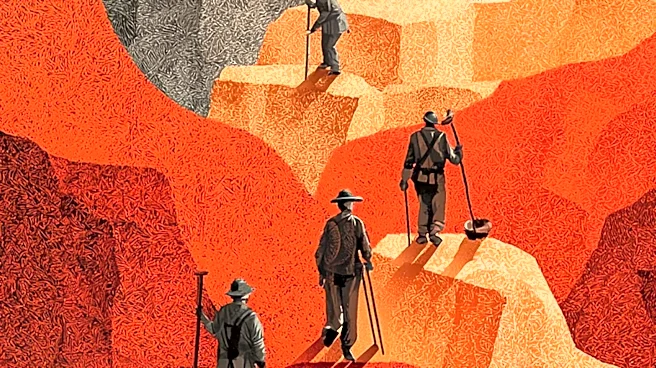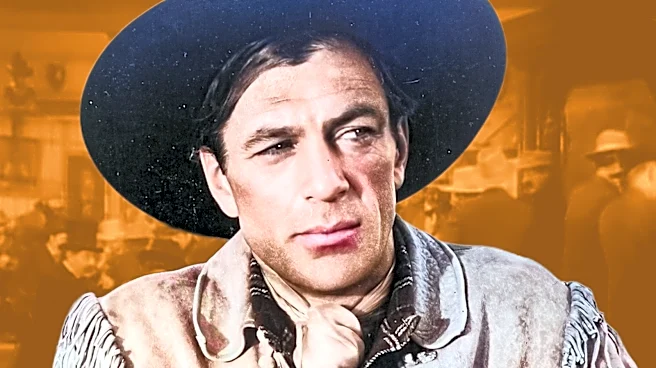








The 1920 silent film adaptation of "The Last of the Mohicans" delves into a complex web of character relationships and ultimately portrays a narrative steeped in tragedy. At its core, the story explores the interactions between English colonists and Native American tribes during the French and Indian War, highlighting themes of loyalty, betrayal, and forbidden love. The film's central figures, including the Munro sisters, the Mohican warriors, and the cunning
Huron Magua, are drawn into a conflict that tests their resolve and leads to heartbreaking outcomes, particularly for Cora Munro and Uncas, the last of the Mohicans.
The Munro Sisters and Their Protectors
Cora and Alice Munro, daughters of Colonel Munro, are central to the film's drama. Their journey to Fort William Henry places them directly in the path of danger, necessitating the protection of various individuals. Major Heyward, a suitor to one of the sisters, initially accompanies them, along with the treacherous Indian runner, Magua. However, it is the arrival of Uncas, Chingachgook, and Hawkeye that truly offers them a chance at survival. Uncas, the last living warrior of the Mohican tribe, develops a mutual admiration with Cora, a relationship that forms a poignant subplot against the backdrop of war and cultural divides. This connection is a source of tension, especially with Captain Randolph, who also harbors feelings for Cora.
The dynamic between the sisters and their protectors is constantly challenged by the hostile environment and the machinations of their enemies. The film emphasizes the vulnerability of the English women in the wilderness and the bravery of those who come to their aid. The bond between Cora and Uncas, though brief, is a powerful element, representing a connection that transcends the conflict between their respective worlds.
The Antagonist: Magua's Treachery and Revenge
Magua, a Huron sympathizer, serves as the primary antagonist, driven by a deep-seated animosity. His initial role as a guide quickly devolves into betrayal when he leads the Munro sisters and Major Heyward astray in the wilderness. His treachery is confirmed when he disappears, prompting suspicion from Uncas, Chingachgook, and Hawkeye. Magua's motivations are rooted in a desire for revenge and power, particularly his intent to force Cora to become his squaw. This desire fuels much of the film's conflict, as he repeatedly kidnaps the sisters and orchestrates their capture.
Despite being left for dead after a fierce firefight, Magua proves resilient, continuing his pursuit of the Munro sisters. His actions lead to a dramatic confrontation in a neutral Delaware village, where a council's judgment dictates that Cora be released to Uncas, while Alice remains with Magua. Cora's selfless offer to take her sister's place underscores the gravity of Magua's threat. His relentless pursuit and violent actions ultimately lead to the tragic deaths of both Cora and Uncas, before Hawkeye finally brings his reign of terror to an end.
A Tragic Conclusion for Love and Lineage
The film culminates in a series of tragic events that underscore the harsh realities of frontier life and the costs of conflict. After escaping Magua, Cora is pursued to the edge of a precipice. Rather than succumb to his will, she threatens to jump. Magua's patience and subsequent attempt to grab her arm lead to her flinging herself off the cliff. Though he initially holds onto her, he uses his knife to pry her fingers loose when Uncas appears, causing her to fall to her death. In the ensuing struggle, Magua stabs Uncas, whose body rolls down to rest beside Cora's, his hand reaching out to hers in a final gesture of love.
This double tragedy marks the end of Uncas, the last of the Mohicans, and Cora. The film concludes with a somber burial ceremony, where Colonel Munro laments the passing of his daughter, and Chingachgook mourns his son. The deaths of these central characters highlight the profound losses experienced during the French and Indian War and leave a lasting impression of the story's inherent tragedy.