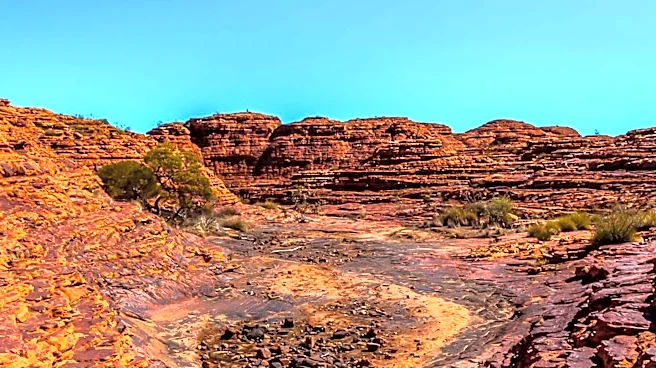





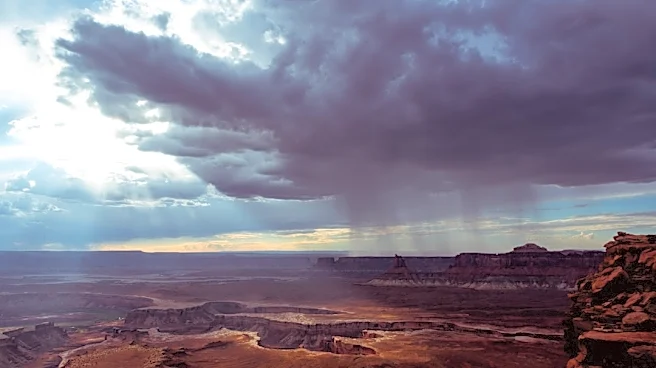

Canyonlands National Park, a vast expanse of canyons, mesas, and buttes in southeastern Utah, is a premier destination for outdoor enthusiasts. Its diverse and rugged geography provides a unique playground for a variety of recreational activities, attracting hundreds of thousands of visitors annually. From challenging backcountry trails to serene river floats and thrilling whitewater rapids, the park offers experiences for adventurers of all levels,
while the National Park Service works to balance visitor enjoyment with the preservation of its natural environment.
A Hub for Outdoor Recreation
Canyonlands has consistently been a popular recreational destination, drawing over 400,000 visitors each year since 2007, with a record 911,594 visitors recorded in 2021. The park's varied terrain is exceptionally well-suited for numerous recreational pursuits. Hikers can explore countless trails, while mountain bikers and backpackers navigate remote paths that wind through the dramatic landscape. Four-wheelers also find ample opportunities to traverse the park's rugged and remote trails, offering a unique way to experience its vastness.One of the most notable routes is the White Rim Road, which traverses the White Rim Sandstone level of the park, situated between the Colorado and Green Rivers and the Island in the Sky mesa. Due to its increasing popularity for both driving and bicycling, day-use permits have been required for travel on the White Rim Road since 2015. This measure is implemented by the park service to enhance the wilderness experience for all visitors and to minimize the impact on the delicate natural surroundings. It's important to note that Canyonlands National Park maintains a strict no-hunting policy, ensuring the protection of its wildlife.
District-Specific Popularity and River Adventures
The park's three main districts attract visitors in varying numbers, largely due to their accessibility and the types of experiences they offer. As of 2016, the Island in the Sky district, benefiting from its proximity to Moab, Utah, is the most visited, accounting for 76.7 percent of all park visitors. This district offers numerous viewpoints overlooking the vast landscape, making it a popular choice for those seeking scenic vistas with relatively easy access.The Needles district ranks as the second most visited, drawing 20.7 percent of visitors. This area is known for its distinctive rock pinnacles and offers more challenging backcountry experiences. In contrast, the remote Maze district sees significantly fewer visitors, accounting for only about 1.5 percent, underscoring its reputation as one of the most inaccessible areas in the United States. River rafters and other river users make up the remaining 1.1 percent of the park's total visitation, highlighting the unique appeal of its waterways.
Navigating the Rivers: Calm Floats and Whitewater Thrills
The rivers within Canyonlands offer distinct experiences for water enthusiasts. Rafters and kayakers can enjoy the calm stretches of the Green River and Colorado River as they flow above their confluence. This provides a peaceful way to experience the park's grandeur from a different perspective. However, below the confluence, the character of the Colorado River dramatically changes as it enters Cataract Canyon. This section is famous for its powerful whitewater rapids, which are comparable in intensity to those found in the Grand Canyon.Unlike some other major rivers, there is no large impoundment on the Colorado River above Canyonlands National Park. Consequently, the river flow through the Confluence is primarily determined by snowmelt rather than human management. This natural flow, combined with Cataract Canyon's unique graben geology, means that in years with heavy snowmelt, this stretch of river can offer some of the largest whitewater experiences in North America. This natural phenomenon adds an element of unpredictable excitement for experienced river runners seeking an ultimate challenge.