





The solar eclipse of June 24, 1778, was part of a larger astronomical cycle known as Saros series 133. This series is a sequence of solar eclipses that occur at regular intervals, providing a fascinating glimpse into the predictable patterns of celestial events. Understanding the Saros cycle helps to contextualize the 1778 eclipse within a broader framework of astronomical phenomena.
Understanding the Saros Cycle
The Saros cycle is a period of approximately 18 years, 11 days, during
which similar solar and lunar eclipses occur. This cycle arises due to the alignment of the Earth, Moon, and Sun, which repeats with remarkable regularity. Each Saros series contains a specific number of eclipses, with Saros series 133 comprising 72 events.
Saros series 133 began with a partial solar eclipse on July 13, 1219. It includes a variety of eclipse types, such as annular, hybrid, and total eclipses. The series will conclude with a partial eclipse on September 5, 2499. The 1778 eclipse was the 32nd event in this series, characterized by a total eclipse with a magnitude of 1.0746, indicating a complete obscuration of the sun by the moon.
The 1778 Eclipse in Context
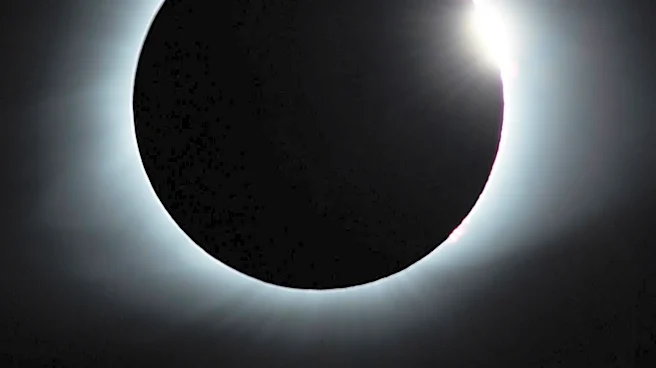
The solar eclipse of June 24, 1778, was a total eclipse, meaning the moon's apparent diameter was larger than the sun's, resulting in a complete blockage of sunlight. This event was visible across a path that included New Spain, the southeastern United States, and northern Africa. The eclipse lasted for 5 minutes and 52 seconds at its peak, providing ample opportunity for observation.
The 1778 eclipse was significant not only for its duration and visibility but also for its place within the Saros cycle. As part of Saros series 133, it was one of many eclipses that have been observed and documented over centuries, contributing to our understanding of celestial mechanics and the predictability of such events.
The Legacy of Saros Series 133
Saros series 133 continues to be a subject of interest for astronomers and historians alike. The series includes some of the longest total eclipses on record, with the longest duration of totality occurring on August 7, 1850, lasting 6 minutes and 50 seconds. This series, like others in the Saros cycle, provides a framework for predicting future eclipses and understanding the intricate dance of celestial bodies.
The solar eclipse of June 24, 1778, as part of Saros series 133, exemplifies the enduring fascination with eclipses and their role in advancing our knowledge of the universe. By examining the Saros cycle, we gain insight into the regularity and beauty of these celestial events, which have captivated observers for generations.