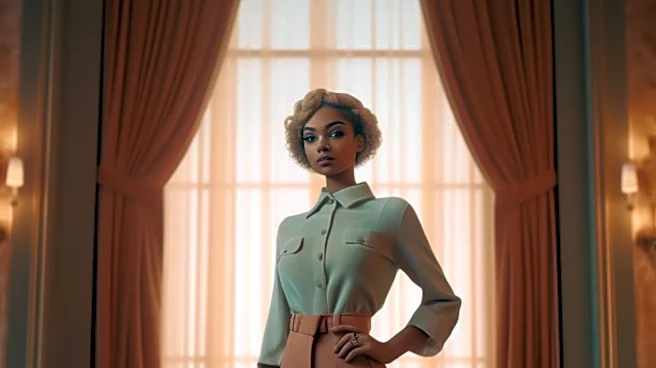

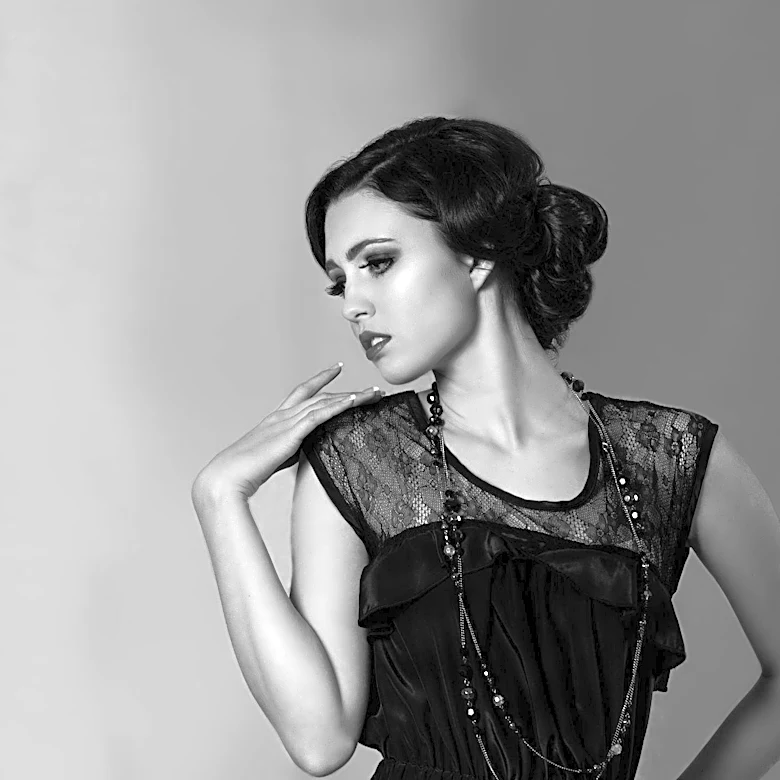



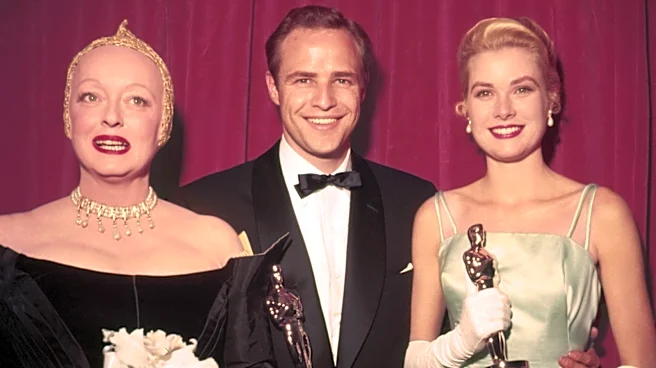




The 1930s was a decade marked by economic turmoil due to the Great Depression, yet it was also a period of remarkable elegance and glamour in fashion. This paradox is a fascinating aspect of the era, where despite financial constraints, fashion evolved to become more sophisticated and refined. The decade saw a shift from the androgynous styles of the 1920s to a more feminine silhouette, with Hollywood playing a significant role in shaping fashion trends.
Economic Hardship and Fashion Evolution
The Wall Street Crash of 1929 set the stage for the Great Depression, a period of severe economic hardship that lasted throughout the 1930s. Despite this, fashion did not stagnate. Instead, it evolved in a way that seemed to defy the economic conditions. The Museum at FIT described the fashion of the 1930s as a "startling paradox," highlighting how elegant and progressive styles emerged during such a tumultuous time. This era marked a departure from the boxy, androgynous silhouettes of the 1920s, with hemlines falling and waistlines returning to their natural positions, creating a sleek, feminine silhouette that emphasized the curves of the body.
The Influence of Hollywood
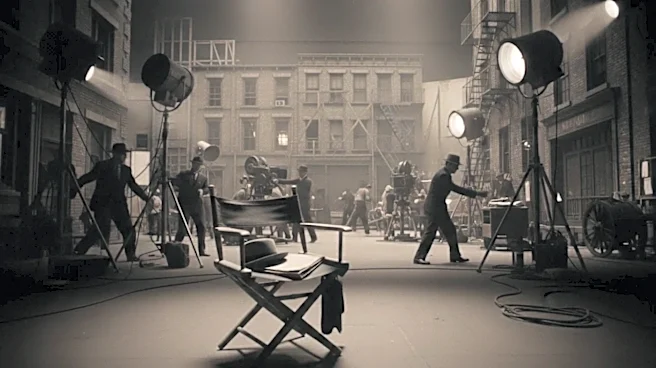
Hollywood became a major force in shaping fashion trends during the 1930s, challenging the traditional dominance of Parisian haute couture. Costume designers like Adrian, Travis Banton, and Edith Head dressed Hollywood stars whose styles were widely imitated. The cinema and fashion industries became interdependent, as noted by couturier Lucien Lelong in 1935. Hollywood stars such as Jean Harlow, Greta Garbo, and Katharine Hepburn became key fashion trendsetters, with their styles influencing the masses. A notable example is the organdie gown designed by Adrian for Joan Crawford in the film "Letty Lynton," which was widely copied at various price points.
Technical Innovations and New Styles
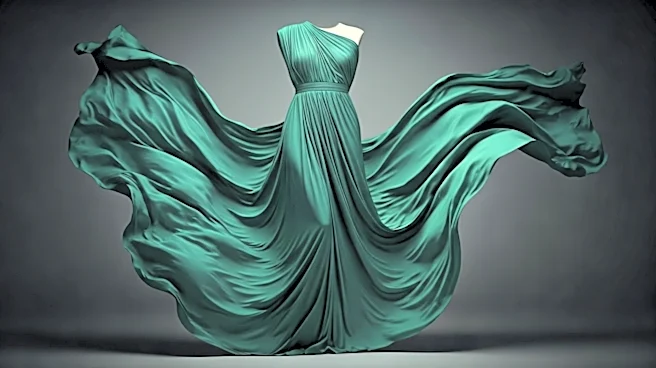
The 1930s also saw significant technical innovations in fashion. The bias cut, popularized by French couturière Madeleine Vionnet, allowed fabric to drape smoothly over the body's natural shape, defining the decade's signature evening look of sleek, low-backed satin gowns. Additionally, the introduction of nylon in 1939 revolutionized the hosiery industry, while man-made fibers like rayon became common in everyday dressmaking. The decade also embraced new styles for leisure and travel, with clothing such as beach pajamas, halter tops, and backless swimwear becoming popular as sunbathing and resort travel gained popularity.
The 1930s fashion scene was a complex interplay of economic challenges and creative innovation, resulting in a decade that remains iconic for its elegance and style. Despite the financial constraints of the time, fashion flourished, driven by Hollywood's influence and technical advancements, leaving a lasting impact on the fashion world.