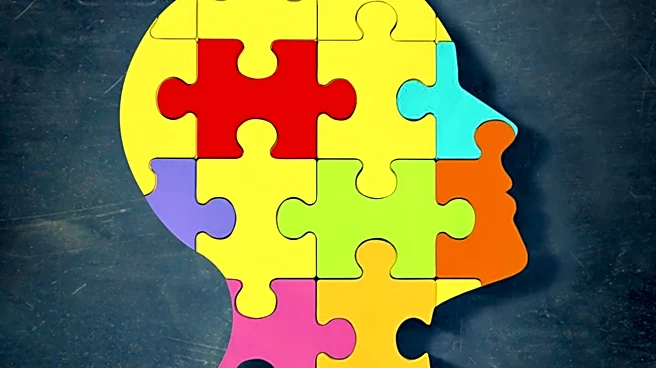









Psychological resilience, also known as mental resilience, describes the capacity to cope mentally and emotionally with a crisis, or to quickly return to a pre-crisis state. It involves mental and emotional coping strategies and is supported by social support and personal resources. A resilient person effectively uses mental processes and behaviors to promote personal assets and protect themselves from the potential negative effects of stressors.
This adaptation in psychological traits and experiences allows individuals to maintain or regain a healthy mental state during crises without long-term negative consequences.
Defining and Understanding Resilience
Psychological resilience is a complex construct that is difficult to measure and test due to its varied interpretations across different psychological paradigms, such as biomedical, cognitive-behavioral, and sociocultural perspectives. Most definitions, however, center around two core concepts: adversity and positive adaptation. Positive emotions, social support, and hardiness are factors that can influence a person's resilience. A psychologically resilient individual can resist adverse mental conditions often linked to unfavorable life circumstances. This differs from psychological recovery, which focuses on returning to mental conditions that existed before a traumatic experience or personal loss.
Research highlights the crucial role of psychological resilience in promoting mental health and well-being. Resilient individuals are better equipped to navigate life's challenges, maintain positive emotions, and recover from setbacks. They often demonstrate higher levels of self-efficacy, optimism, and problem-solving skills, which contribute to their ability to adapt and thrive in difficult situations. Resilience is seen as a "positive adaptation" following a stressful or adverse situation. Daily stressors, while disruptive to one's internal and external sense of balance, can present both challenges and opportunities that promote resilience. Some psychologists suggest that it's not the stress itself, but rather a person's perception of their stress and their perceived level of control, that fosters resilience.
The Process of Developing Resilience
Resilience is commonly understood as a process, a tool developed over time, or a personal trait. Most research indicates that resilience results from individuals interacting with their environments and engaging in processes that either promote well-being or protect them from overwhelming risks. This perspective views psychological resilience as a dynamic process to be developed rather than a static, inherent trait. When faced with adversity, individuals typically respond in one of three ways: with anger or aggression, by becoming overwhelmed and shutting down, or by feeling the emotion and handling it appropriately.
Resilience is fostered through the third approach, where individuals adapt and change their current patterns to cope with disruptive states, thereby enhancing their well-being. In contrast, the first two approaches can lead to a victim mentality, where individuals blame others and reject coping methods, even after a crisis has passed. These individuals tend to react instinctively, clinging to negative emotions like fear, anger, anxiety, distress, helplessness, and hopelessness, which can decrease problem-solving abilities and weaken resilience. Resilient people, conversely, actively cope, rebound, and seek solutions. Their resilience is further bolstered by protective environments, including supportive families, schools, communities, and social policies, which provide cumulative protective factors.
Historical Insights and Key Characteristics
The first research on resilience was published in 1973, utilizing epidemiology to identify risks and protective factors. A year later, the same research group developed tools to examine systems supporting resilience development. Emmy Werner was a pioneer in using the term "resilience." Her study of children in Kauai, Hawaii, revealed that despite growing up in poverty with parents who were often alcoholic, mentally ill, or unemployed, one-third of these children did not exhibit destructive behaviors in their later teen years, unlike the other two-thirds. Werner labeled this group