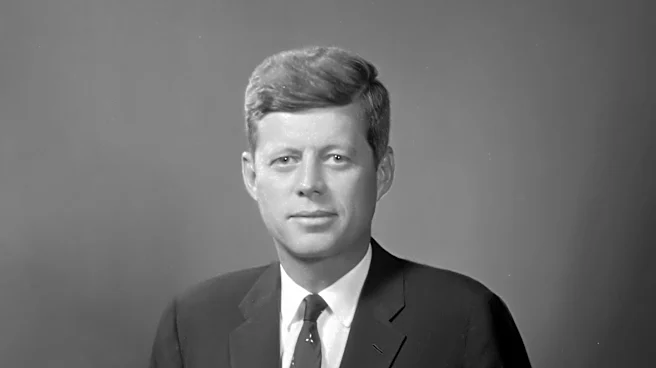






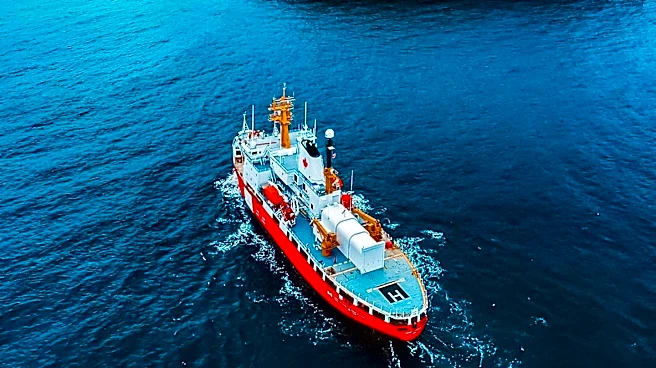

On the night of August 2, 1943, a significant event unfolded in the waters of the Solomon Islands that would later play a crucial role in shaping the future of a young naval officer named John F. Kennedy. PT-109, a patrol torpedo boat under Kennedy's command, was rammed by the Japanese destroyer Amagiri. This incident not only tested Kennedy's leadership and survival skills but also became a defining moment in his life, influencing his future political
career.
The Collision with Amagiri
In the early hours of August 2, 1943, PT-109 was on patrol in the Blackett Strait, a strategic location in the Solomon Islands. The night was dark and moonless, with fog adding to the challenges faced by the crew. Kennedy's boat was idling on one engine to avoid detection by Japanese aircraft, unaware of the imminent danger. Suddenly, the Japanese destroyer Amagiri appeared, traveling at high speed without running lights. The destroyer struck PT-109 on its starboard side, shearing off a piece of the boat.
The collision was catastrophic, and PT-109 was quickly engulfed in flames. Despite the chaos, Kennedy managed to gather his crew and assess the situation. The destroyer had cut the boat in half, and two crew members were killed instantly. The remaining crew, including Kennedy, were left with no choice but to abandon the sinking vessel and swim to safety.
Survival and Leadership
Kennedy's leadership was put to the test as he and his crew faced the daunting task of surviving in enemy waters. With limited resources and no immediate hope of rescue, Kennedy took charge, demonstrating remarkable courage and resilience. He led his crew on a grueling swim to a nearby island, towing a badly burned crew member by clenching the man's life jacket strap in his teeth.
Once on the island, Kennedy continued to show leadership by organizing the crew and searching for food and water. He made several swims to other islands in search of help, eventually encountering local coastwatchers who played a crucial role in their rescue. Kennedy's actions during this ordeal highlighted his determination and ability to lead under pressure.
Impact on Kennedy's Future
The sinking of PT-109 and Kennedy's subsequent actions had a profound impact on his life. The incident brought him national recognition and became a key part of his political narrative. Kennedy's bravery and leadership were celebrated, and the story of PT-109 was used effectively in his political campaigns.
The experience also left a lasting impression on Kennedy personally. He suffered from physical ailments as a result of the ordeal, including chronic back pain, but these challenges did not deter him from pursuing a career in public service. The story of PT-109 became a symbol of Kennedy's resilience and commitment to his country, ultimately helping to propel him to the presidency.