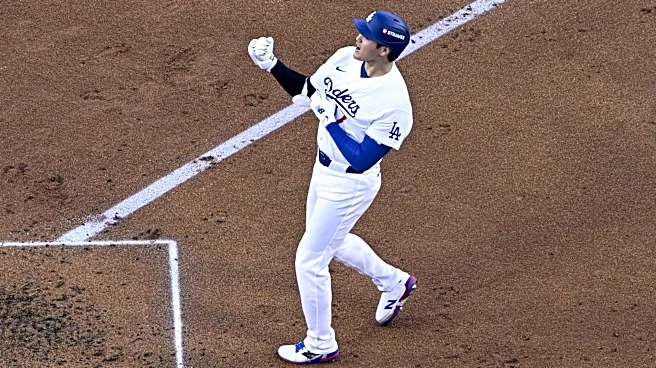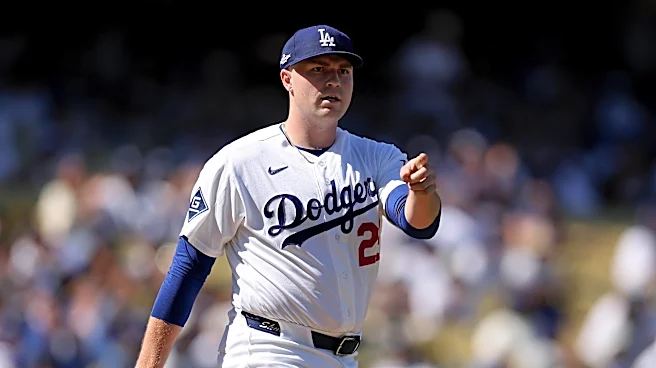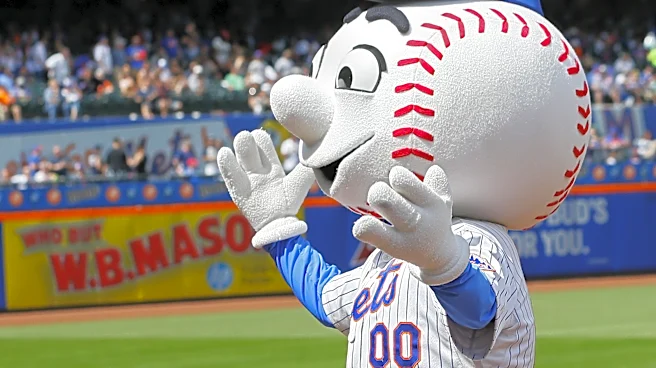



For decades, New York City was a vibrant hub of Major League Baseball, home to multiple iconic franchises. However, the mid-1950s brought a profound shift that would forever alter the city's baseball landscape. The departure of the Brooklyn Dodgers and the New York Giants, both National League stalwarts, left a void that transcended the world of sports, deeply impacting the cultural fabric of the city. This era of relocation was driven by a complex
interplay of aging facilities, changing demographics, and ambitious ownership, ultimately leading to a period of heartbreak for many New York fans and, eventually, the birth of a new beloved team, the New York Mets.
The story of New York's National League exodus is largely centered around Walter O'Malley, the owner of the Brooklyn Dodgers, who is often regarded as one of the most influential figures in baseball's early expansion era. O'Malley's primary motivation stemmed from his inability to secure a site for a new, modern stadium in Brooklyn. Ebbets Field, the Dodgers' home, was old and increasingly obsolete. Despite the Dodgers' consistent success on the field, attendance at Ebbets Field dwindled. This decline was attributed to the stadium's age, difficulties in accessing it by car, and the migration of fans to the suburbs, who were less inclined to travel to the inner city for night games. Frustrated by these challenges and the lack of progress with city officials, O'Malley began to explore other options.
The Lure of the West Coast and Failed Negotiations
As O'Malley's frustrations mounted in New York, the burgeoning West Coast presented an attractive alternative. Post-World War II population shifts saw significant growth in southern and western regions of the United States, and the advent of transcontinental airplane service made these distant markets more accessible for professional sports. Cities like Los Angeles and San Francisco actively courted Major League Baseball teams. Rosalind Wyman, then head of the Los Angeles Chamber of Commerce, played a crucial role in championing the cause of bringing a major league team to Los Angeles, initiating solicitations to several teams, including the Dodgers, starting in 1955.
O'Malley initially used his negotiations with Los Angeles as a strategic maneuver in his dealings with Robert Moses, New York's powerful public building and development czar. Moses, however, had his own vision, proposing that the Dodgers move to a new stadium site in Flushing Meadows–Corona Park in Queens, which would eventually become Shea Stadium. As negotiations with Moses deteriorated, the prospect of a deal with Los Angeles became increasingly real. Los Angeles offered the Dodgers land at Chavez Ravine free of charge to build a stadium, a proposal that would culminate in the construction of Dodger Stadium. This offer, combined with the persistent challenges in Brooklyn, solidified O'Malley's decision to move the team.
A Joint Exodus: The Giants Join the Dodgers
At the same time, Horace Stoneham, owner of the New York Giants, faced similar challenges. The Giants' home, the Polo Grounds, was also becoming dilapidated by the mid-1950s, leading to a drop in attendance. Stoneham, like O'Malley, was unable to secure a new stadium site in New York and initially considered moving the Giants to Minneapolis, home to their top farm team. However, O'Malley played a crucial role in convincing Stoneham to join the Dodgers in a move to the West Coast. O'Malley understood that a joint move was economically vital; if the Dodgers moved alone, the St. Louis Cardinals, located over 1,600 miles away, would have been the closest National League team, making West Coast road trips financially impractical for visiting teams. The joint relocation of both New York National League teams to California, bringing their historic rivalry with them, made logistical and economic sense.
The dual moves, which occurred after the 1957 season, were met with considerable controversy and broke the hearts of many New York National League fans. The loss of the Dodgers was particularly poignant, as the team was seen as one of the last symbols of Brooklyn's independent identity before its consolidation into New York City in 1898. Professional baseball would not return to Brooklyn until 2001, with a minor-league team, and a major league sports franchise would not return until 2012. Despite the emotional toll, the move proved to be an immediate success for the Dodgers, who set a major-league, single-game attendance record in their first home appearance in Los Angeles, drawing 78,672 fans to the Los Angeles Memorial Coliseum.
The Return of National League Baseball: The New York Mets
In the wake of the Dodgers' and Giants' departure, New York City Mayor Robert F. Wagner appointed attorney William A. Shea to lead a committee tasked with bringing a new National League team to the city. Shea initially explored moving an existing franchise but soon realized that league expansion was the more feasible route. Through his contacts in government, Shea successfully lobbied to pressure Major League Baseball to expand, threatening to challenge MLB's antitrust exemption. This effort ultimately led to the addition of two American League and two National League expansion teams.
As a direct result of these efforts, the New York Mets were created as an expansion team, beginning play in 1962. Ironically, the Yankees' attendance saw a slight decline in the years immediately following the Dodgers' and Giants' departure, while the Mets consistently drew more fans than the Yankees through the early to mid-1970s. Today, the Mets are often considered "New York City's team," while the Yankees have a broader fanbase, a testament to the enduring legacy of the relocations and the successful reintroduction of National League baseball to the city.