





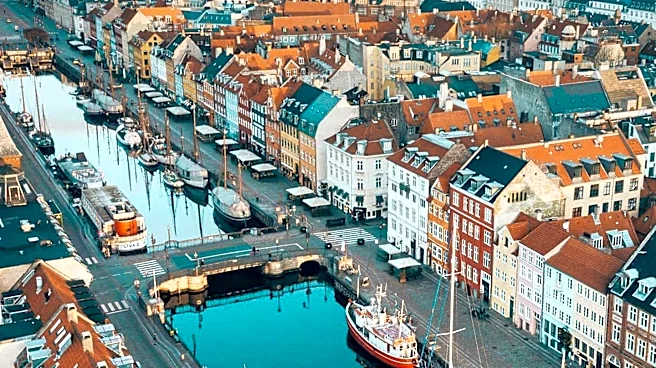

Prague, the capital of the Czech Republic, is a city where history and culture intertwine, offering a rich tapestry of experiences. Known for its stunning architecture, from ancient castles to Art Nouveau buildings, Prague is also a vibrant center for arts, music, and unique local traditions. Its cultural landscape is shaped by centuries of Bohemian history, imperial influences, and a dynamic contemporary scene, making it a captivating destination
for those seeking both historical depth and modern energy.
Architectural Wonders and Historic Quarters
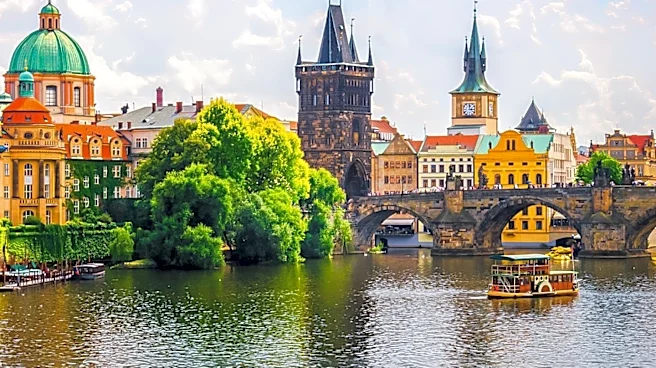
Prague's historic center is a UNESCO World Heritage site, boasting an impressive array of architectural styles and iconic landmarks. The Lesser Town (Malá Strana) features beautiful streets leading to Prague Castle, the largest ancient castle in the world. Within the castle complex, visitors can explore St. Vitus Cathedral with its lookout tower, the Castle Picture Gallery, various palaces, museums, and the Royal Garden. The Petřín Lookout Tower also offers panoramic views of the city.Connecting the Old Town with the Lesser Town is the Charles Bridge, one of Prague's most beautiful structures. During the day, it transforms into a bustling hub of activity with musicians and artists. The Old Town itself is Prague's historic heart, home to the famed Astronomical Clock, the Gothic Týn Church, the Storch building with its murals, and the Jan Hus monument. The Estate Theatre, a neoclassical venue, famously premiered Mozart's opera Don Giovanni. The Jewish Quarter, Josefov, preserves well-maintained synagogues, including Europe's oldest active synagogue, the Old New Synagogue, and the historic Old Jewish Cemetery.
Arts, Music, and Performance
Prague has a deep-rooted tradition in opera and ballet, primarily showcased at venues operated by the National Theatre company. These include the National Opera, which hosts a variety of operas and ballets, and the Estates Theatre, the city's oldest standing theater building, often featuring Mozart's Don Giovanni. While many other theaters offer plays predominantly in Czech, classical music concerts are frequently held in numerous churches throughout the city center, adding to Prague's rich auditory landscape.The city also embraces contemporary art. The DOX Centre for Contemporary Art on the West bank serves as a gallery for modern arts, reflecting a modern EU gallery style. Smaller museums abound, such as the Museum of Miniatures, the Toys Museum, and the Musical Automata Museum at Prague Castle, offering diverse cultural insights. The Prague City Museum, with its branches across town, is a must-see for its incredibly detailed cardboard model of 19th-century Prague by Anton Langweil, capturing the city's historical essence with remarkable precision.
Culinary Traditions and Social Customs
Prague's cultural experience extends to its culinary scene and social customs. Traditional Czech cuisine often features pork or beef with starchy side dishes like dumplings or potatoes. A classic dish is Svíčková, beef simmered in a cream and vegetable sauce. While Trdelník, a sweet bread, has become popular among tourists, it is not a traditional Czech dish and is often avoided by locals. Lunch is traditionally the main meal, and many restaurants offer discounted daily menus.Pubs, known as