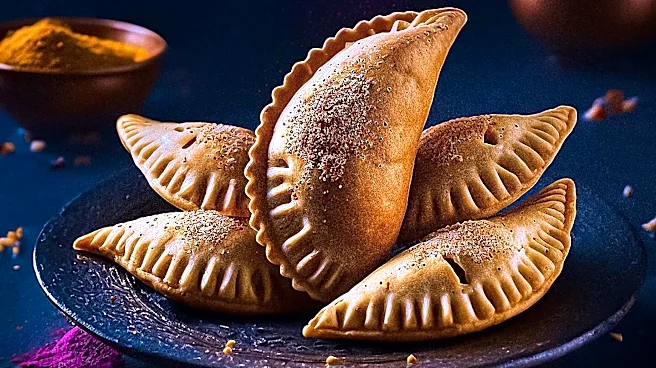





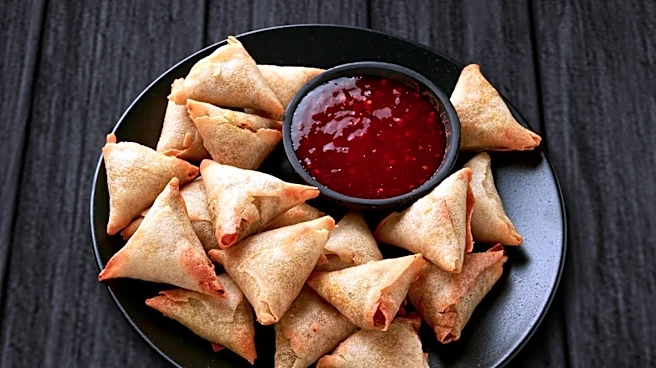
The empanada, a simple concept of a filled pastry, transforms into an astonishing array of culinary experiences across different regions and countries. While its roots are firmly planted in Spain, particularly Galicia, the journey of the empanada has seen it embrace local ingredients, cooking methods, and cultural preferences, resulting in a rich tapestry of flavors and forms. From savory meat fillings to sweet fruit concoctions, and from corn-based
doughs to plantain wrappers, the empanada truly serves as a canvas for regional culinary identity.
Argentine and Chilean Interpretations
Argentina showcases a remarkable diversity in its empanadas, with each region offering a distinct variant. In Salta, *salteñas* are small, juicy, and spicy, featuring potatoes, peppers, and ground chili, a style also popular in neighboring Bolivia. The Jujuy variant incorporates peas and garlic, with a specific filling known as *recado* and a unique crimping technique called *simbado*. La Rioja's empanadas are characterized by hard-boiled egg, red bell pepper, olives, and raisins, while those from Santiago are celebrated for their juiciness. Catamarca offers a similar but smaller version. Tucumán is renowned for its *empanada creole*, and the annual National Empanada festival in Famaillá highlights local specialties like those made with *matambre* (flank steak) fried in fat, or *entreveradas* which mix *matambre* with chicken breast, garlic, ground chili, hard-boiled egg, and cumin. Mendoza's empanadas are notably large, including olives and garlic, while San Juan's have a higher proportion of onion, making them juicier and slightly sweet. In the Litoral region, influenced by diverse immigrants, fillings often include river fish like *surubí* (catfish) or *dorado*, or white sauce and Goya cheese. Patagonia's Cordillera region favors lamb, and its coast features seafood fillings.
Chilean empanadas also present distinct styles. The traditional *empanada de pino* can be fried (*fritas*) or baked (*de horno*), filled with seasoned ground beef, onions, olives, raisins, and hard-boiled eggs. Beyond this classic, Chile offers a variety of other fillings such as shrimp and cheese, crab and cheese, Neapolitan, spider crab and cheese, and general seafood options. The crimped edges of cheese-filled empanadas, which are deep-fried, are another popular Chilean style.
Corn, Plantain, and Unique Doughs
Many countries have moved beyond the traditional wheat flour dough, incorporating local staples. In Belize, empanadas are known as *panades* and are made with masa, a corn dough. These are typically stuffed with fish, chicken, or beans, deep-fried, and served with a cabbage or salsa topping, often found as street food. Colombian empanadas similarly utilize a cornmeal-based dough, distinguishing them from those made with wheat flour in other Latin American nations. Their fillings include seasoned meats (beef, pork, or chicken), potatoes, rice, and vegetables, deep-fried until golden and crispy, and commonly served with lime wedges and *ají* sauce. Regional Colombian variations exist, with potato and meat fillings prevalent in the Andean region, and seafood options more common in coastal areas.
El Salvador stands out by using plantain rather than a flour-based dough. Their *empanadas de plátano* are torpedo-shaped dumplings made from very ripe plantains, filled with vanilla custard or refried beans, then fried and rolled in sugar. Despite the bean filling, the flavor profile remains sweet. In Mexico, empanadas are noticeably different, made from fried corn paste (*masa*) similar to *gorditas* or *huaraches*. They are usually filled with typical taco ingredients like refried beans, boiled chicken, boiled chopped potato with white cheese, pork belly, and ground beef, and garnished with pickled cabbage salad, white *queso fresco*, cream, and spicy tomato sauce. These are often served as quick appetizers at fairs and outdoor events.
Island and European Influences
In Indonesia, specifically in the Minahasan cuisine of North Sulawesi, empanadas are called *panada*. These feature a thick crust made from fried bread and are filled with spicy *cakalang* fish (skipjack tuna) and chili, curry, potatoes, or quail eggs, a clear reflection of Portuguese influence. The Sicilian *'mpanatigghi* from Italy, particularly Modica, are half-moon-shaped pastries with a unique sweet and savory filling of almonds, walnuts, chocolate, sugar, cinnamon, cloves, and minced beef. This combination, and the name itself, suggests a Spanish introduction during the 16th century. In Puerto Rico, empanadas, known as *empanadillas*, are made with a flour base and fried. Common fillings include ground beef *picadillo*, pork, chicken, pizza ingredients, guava and cheese, and various seafood options like crab (*jueyes*), spotted trunkfish (*chapín*), conch, rabbit, and octopus, showcasing the island's diverse culinary landscape.