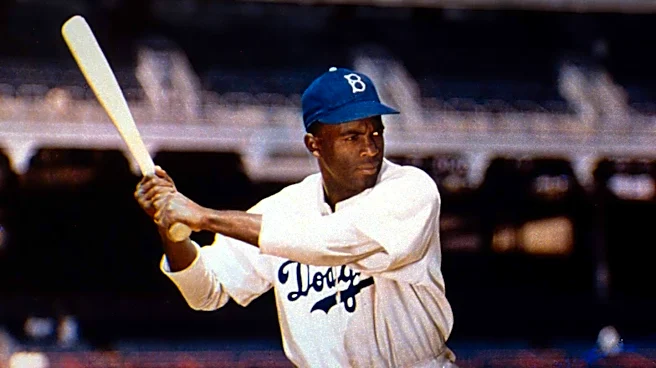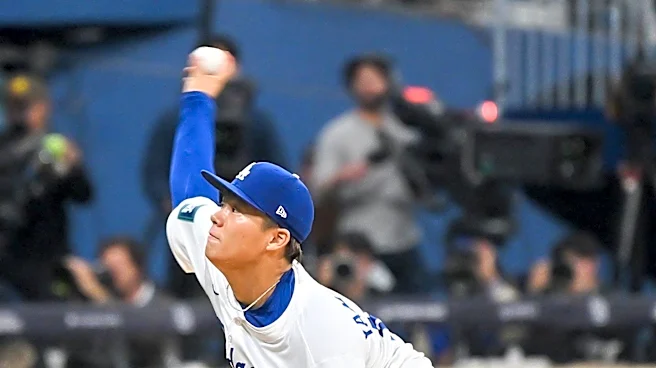





Sandy Koufax, a name synonymous with pitching greatness, did not begin his Major League Baseball career with immediate success. His debut on June 24, 1955, with the Brooklyn Dodgers against the Milwaukee Braves, marked the start of a period from 1955 to 1960 characterized by immense potential overshadowed by significant challenges. These early years were a formative, albeit frustrating, time for the young pitcher, who grappled with harnessing his powerful
fastball and developing a more diverse pitching repertoire. Despite being part of a World Series-winning team, the inconsistencies of this era nearly led Koufax to an early retirement.
The Promise and the Problems: Fastball Speed vs. Control
From the outset, Sandy Koufax possessed an impressive fastball, a pitch that could overpower hitters. However, this raw talent was frequently undermined by a notable lack of control. During his initial seasons, Koufax struggled to consistently locate his pitches, leading to a high number of walks and often putting himself in difficult situations on the mound. This issue of control was a recurring theme throughout his early career, preventing him from fully capitalizing on his natural arm strength and velocity.
His pitching repertoire was also quite limited during this period. While his fastball was formidable, he had not yet developed the secondary pitches necessary to keep Major League hitters off balance. This predictability, combined with his control problems, meant that even with his blazing speed, batters could often anticipate what was coming, or wait for a walk. This made it challenging for him to consistently dominate games, despite flashes of brilliance that hinted at his future potential.
Inconsistent Performance and Moderately High ERAs
The statistical record of Koufax's early years reflects his struggles with consistency. His earned run average (ERA) during this 1955-1960 period was moderately high, often hovering between 4 and 5. While not disastrous, these numbers were certainly not indicative of the Hall of Fame pitcher he would become. An ERA in this range suggests that he was giving up a significant number of runs per nine innings pitched, a direct consequence of his control issues and limited pitch selection.
These inconsistent performances were a source of frustration for both Koufax and the Dodgers organization. There were games where his talent shone through, demonstrating why he was considered such a promising prospect. Yet, these outings were often interspersed with games where he struggled to find the strike zone, leading to early exits and losses. This roller coaster of performance made it difficult for him to establish himself as a reliable starter or even a consistent contributor out of the bullpen.
World Series Victory and Contemplation of Retirement
Despite his personal struggles, Sandy Koufax was a member of the Brooklyn/Los Angeles Dodgers team that achieved significant success during his early tenure. Notably, he was part of the 1959 World Series-winning team. While his role in this championship was not as a dominant ace, being on a winning team provided him with valuable experience and exposure to high-stakes baseball. This team success, however, did not alleviate his individual frustrations.
By the end of the 1960 season, the cumulative effect of his inconsistent performances and inability to master his craft led Koufax to seriously consider ending his baseball career. The mental and physical toll of struggling to meet expectations, despite his undeniable talent, pushed him to the brink of retirement. This contemplation highlights the profound challenges he faced in his initial years in the league, underscoring the significant transformation he would undergo in the seasons that followed to become one of baseball's all-time greats. Ultimately, he chose to continue playing, a decision that would profoundly impact baseball history.