








Cardiorespiratory fitness (CRF) is a crucial aspect of overall health, reflecting the efficiency of the heart and lungs in supplying oxygen to the body during physical activity. This fitness measure is not only a marker of physical capability but also a predictor of health outcomes. Understanding CRF can provide insights into an individual's risk for various diseases and overall mortality.
The Basics of Cardiorespiratory Fitness
Cardiorespiratory fitness refers to the ability of the circulatory
and respiratory systems to deliver oxygen to skeletal muscles during sustained physical activity. This process involves several physiological functions, including ventilation, perfusion, gas exchange, and vasodilation. These functions are essential for maintaining health, as they ensure that the body's tissues receive adequate oxygen to perform effectively.
CRF is often assessed to determine the functional capacity of the cardiovascular and respiratory systems. By measuring these systems' efficiency, scientists and healthcare providers can evaluate an individual's morbidity and mortality risk. A higher level of CRF is generally associated with a lower risk of cardiovascular diseases and other health conditions.
Improving Cardiorespiratory Fitness Through Exercise
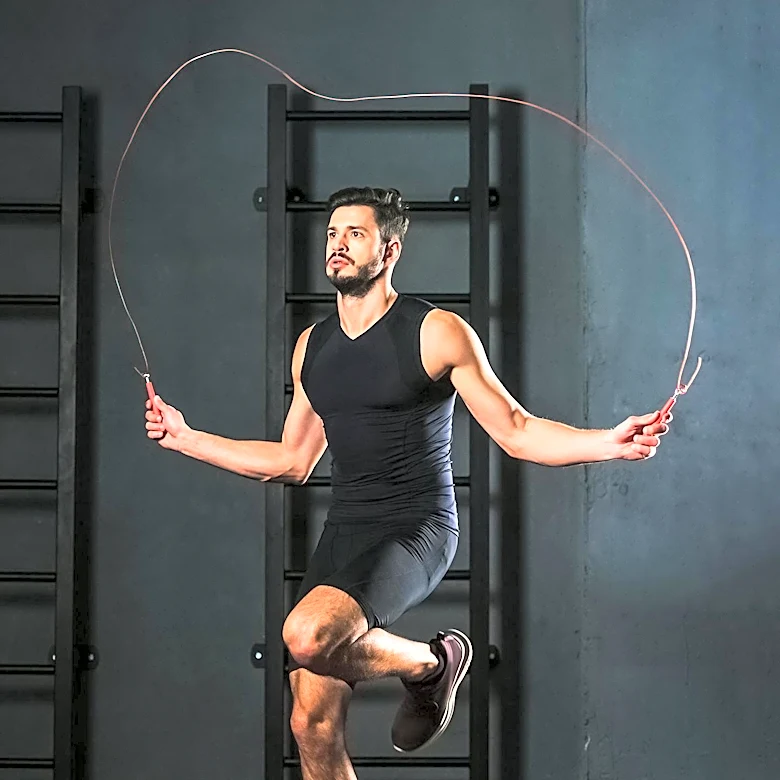
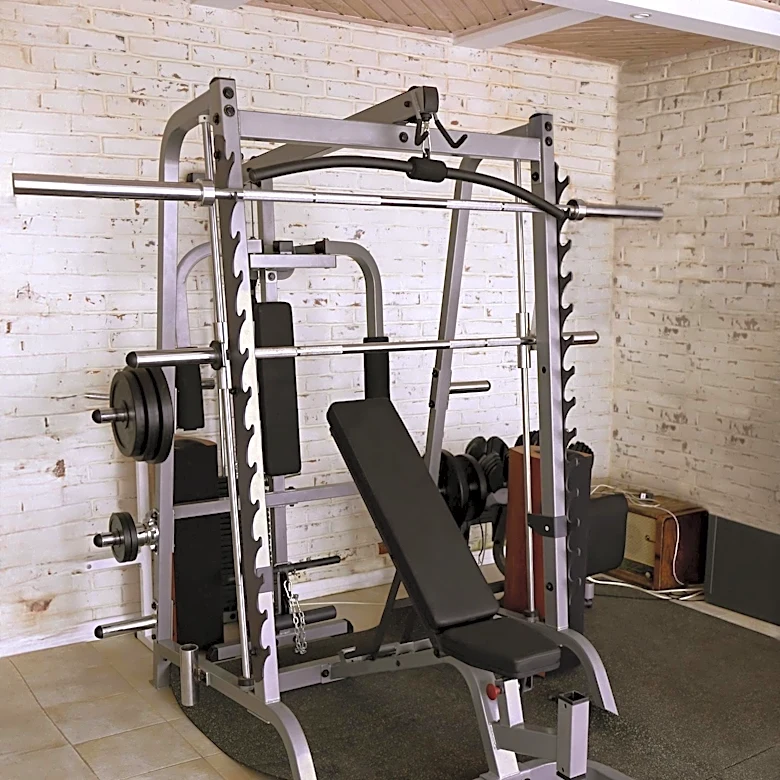
Regular physical activity is a well-established method for enhancing cardiorespiratory fitness. Engaging in consistent exercise can significantly reduce the risk of cardiovascular disease, stroke, hypertension, and diabetes. Various forms of exercise, such as endurance running, weightlifting, and sports activities, contribute to improved CRF.
High-intensity interval training (HIIT) is particularly effective in increasing CRF and VO2 max, a common measure of cardiorespiratory fitness. Studies have shown that HIIT can improve physical fitness, muscle power, and cardiac function, especially in older individuals. This type of training involves short bursts of intense exercise followed by rest periods, making it a time-efficient way to boost fitness levels.
Measuring Cardiorespiratory Fitness
VO2 max is the most widely accepted indicator of cardiorespiratory fitness. It measures the maximum rate of oxygen consumption during exercise, providing a quantitative value of endurance fitness. Cardiopulmonary exercise testing (CPET) with spirometry is the gold standard for determining VO2 max. This test involves exercising to maximal exertion while analyzing gas exchange.
Other methods to estimate VO2 max include walking or jogging tests, where individuals cover a certain distance in the shortest time possible. These tests are often used for children or the elderly, who may not be able to undergo more rigorous testing. By understanding and measuring CRF, individuals can gain valuable insights into their health and take steps to improve their fitness and reduce disease risk.