





Hanumanasana, also known as the splits pose, is a challenging yoga posture that requires flexibility, balance, and strength. Named after the Hindu monkey god Hanuman, this pose is a testament to the power of dedication and practice. For those looking to master Hanumanasana, understanding the technique and preparation involved is crucial. This guide provides insights into the practice of Hanumanasana, offering tips and techniques to help you achieve
this advanced pose.
Understanding the Technique of Hanumanasana
Hanumanasana is a seated yoga pose that resembles a split. To perform the pose, one must start by standing upright with hands in the namasté position. The right leg is then slowly brought forward while the left leg is extended backward, both sliding along the ground. The key to mastering this pose is maintaining a straight back and shoulders while extending the arms upward from the namasté position.
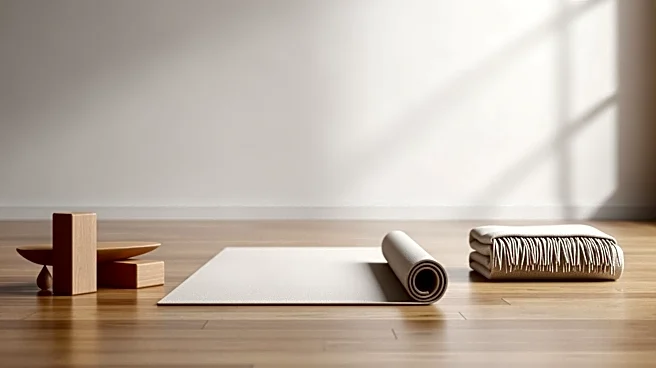
The pose requires a high degree of flexibility, particularly in the hamstrings and hip flexors. It is important to approach the pose with patience, as forcing the body into the position can lead to injury. Practitioners are encouraged to listen to their bodies and progress at their own pace, using props such as blocks or blankets to support the body as needed.
Preparing for Hanumanasana
Preparation is essential for successfully performing Hanumanasana. A thorough warm-up is crucial to prevent injury and ensure the body is ready for the demands of the pose. Focus on stretching the hamstrings, hip flexors, and quadriceps, as these are the primary muscle groups engaged in Hanumanasana.
Incorporating preparatory poses such as lunges, forward bends, and seated stretches can help increase flexibility and prepare the body for the full expression of Hanumanasana. Consistent practice of these preparatory poses will gradually increase the range of motion, making the transition into Hanumanasana smoother and more comfortable.
Tips for Practicing Hanumanasana
When practicing Hanumanasana, it is important to maintain a mindful approach. Focus on the breath, using it to guide the movement and deepen the stretch. Holding the pose for several breaths allows the body to relax into the position, increasing flexibility over time.
It is also beneficial to practice Hanumanasana under the guidance of a qualified yoga instructor, especially for beginners. An instructor can provide personalized feedback and adjustments, ensuring the pose is performed safely and effectively. Remember, mastering Hanumanasana is a journey, and progress may be slow. Celebrate small victories and remain patient with the process.
In summary, Hanumanasana is a challenging yet rewarding pose that offers numerous physical and mental benefits. With proper preparation, technique, and practice, anyone can work towards mastering this iconic yoga posture.