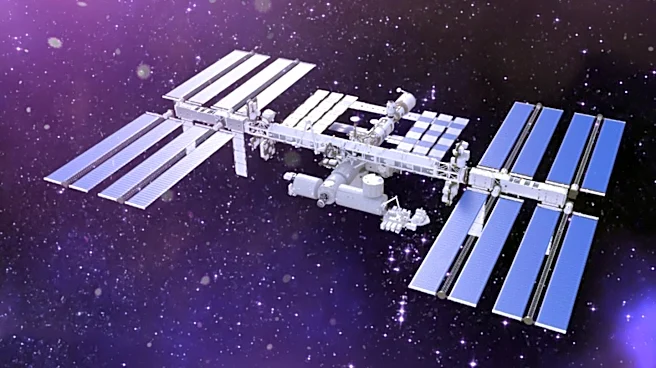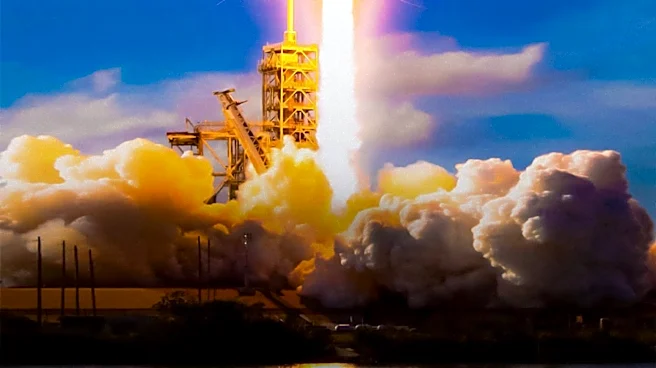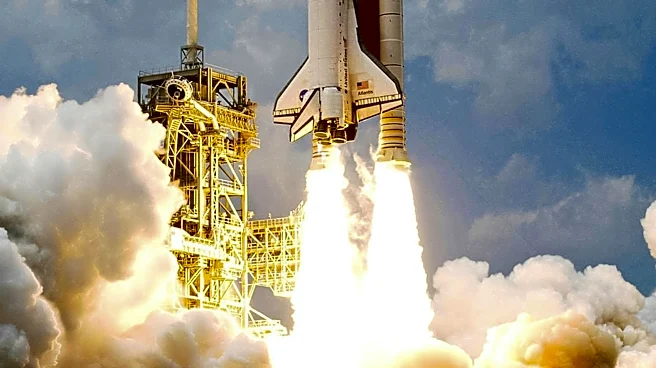







The STS-135 mission marked a significant milestone in space exploration as it was the final flight of NASA's Space Shuttle program. Launched on July 8, 2011, aboard the Space Shuttle Atlantis, this mission was pivotal in delivering supplies to the International Space Station (ISS) and symbolized the end of an era in human spaceflight. With a crew of four astronauts, STS-135 was not only a logistical mission but also a historic event that concluded
the 30-year legacy of the Space Shuttle program.
Mission Overview
STS-135 was primarily tasked with delivering essential supplies and equipment to the ISS, ensuring the station's continued operation through 2012. The mission carried the Raffaello Multi-Purpose Logistics Module, which was packed with provisions and scientific equipment. This module played a crucial role in resupplying the ISS, allowing it to function smoothly until the Commercial Orbital Transportation Services program took over resupply missions.
The mission was initially not included in NASA's budget, raising concerns about its feasibility. However, program managers decided to proceed with STS-135, changing its designation from STS-335 to STS-135 on the flight manifest. This decision allowed for necessary training and preparations, ensuring the mission's success despite budgetary constraints.
Crew and Preparations
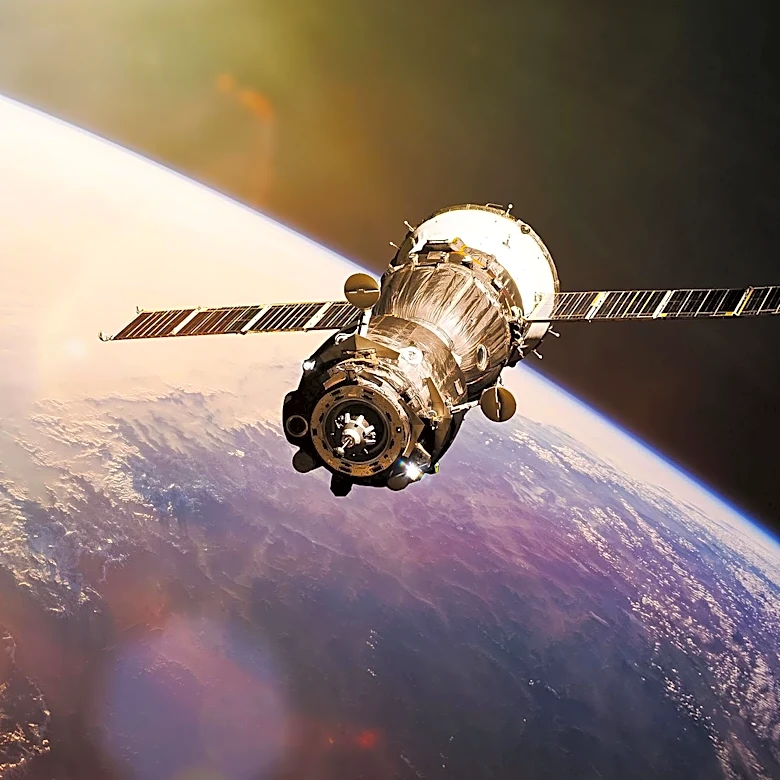
The STS-135 crew consisted of four astronauts, a smaller team than usual due to the lack of available shuttles for rescue missions. In case of serious damage to the shuttle, the crew was prepared to return to Earth using Russian Soyuz capsules. This contingency plan highlighted the mission's unique challenges and the careful planning required to ensure crew safety.
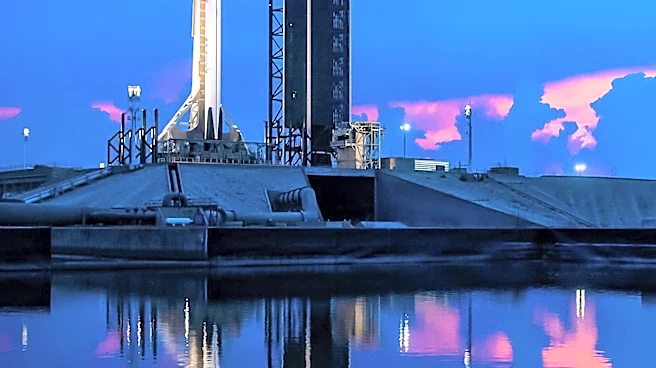
The crew underwent rigorous training, including emergency drills and countdown simulations, to prepare for the mission. Their arrival at Kennedy Space Center was marked by a countdown dress rehearsal, emphasizing the mission's importance and the crew's readiness.
Legacy and Impact
The conclusion of STS-135 marked the end of NASA's Space Shuttle program, a significant chapter in space exploration history. Over its 30-year span, the program flew 135 missions, contributing to scientific advancements and international collaboration in space. The final mission underscored the transition to new methods of space travel and resupply, paving the way for future innovations.
STS-135's successful completion demonstrated the resilience and dedication of NASA's workforce, leaving a lasting legacy in the annals of space exploration. As the shuttle program officially ended, it left behind a rich history of achievements and a foundation for future endeavors in human spaceflight.